

The Finance Ministry lowered its economic growth forecast for 2026, saying the war against Iran and Hezbollah is expected to last only a few weeks, though it will still weigh on economic activity.
According to an updated macroeconomic outlook released Tuesday by the ministry’s chief economist division, the economy is now projected to grow 4.7% in 2026, down from a previous forecast of 5.2%.
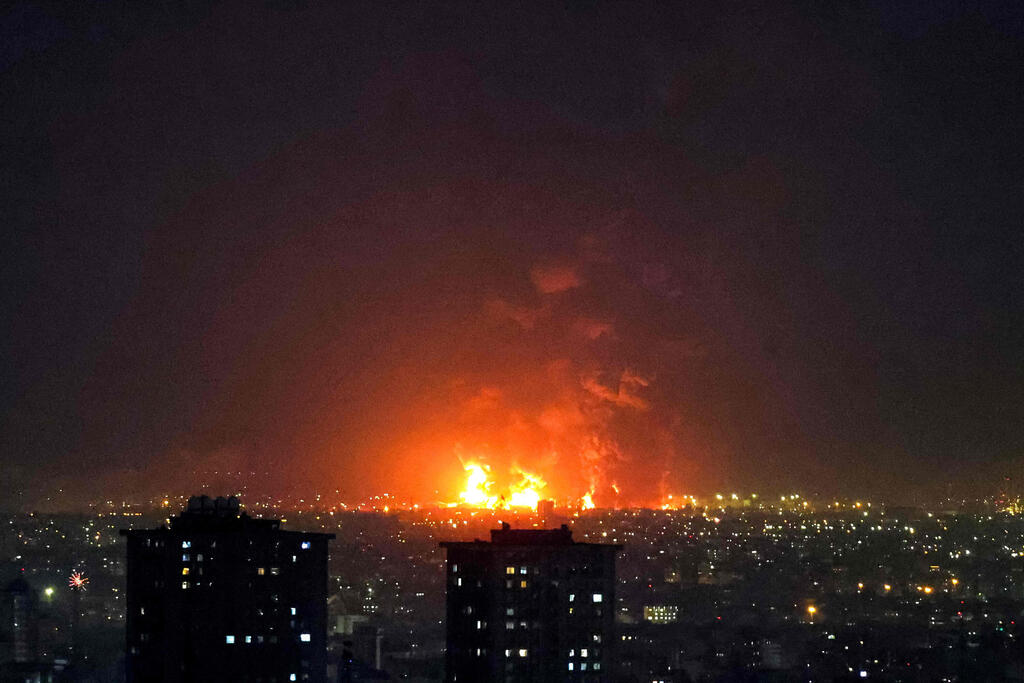
IDF strike in Tehran
(Photo: ATTA KENARE / AFP)
The updated forecast assumes short-term fighting on the northern front and against Iran lasting only a few weeks, the ministry said. If the conflict continues beyond that period or expands to additional fronts, the outlook may need to be revised again.
The downgrade reflects disruptions to business activity caused by large-scale reserve duty, temporary shutdowns across parts of the economy and a short-term decline in private consumption. The ministry also cited increased geopolitical uncertainty affecting investment and foreign trade.
Despite the lower growth outlook, the ministry raised its forecast for state revenues.
Total government revenue is now expected to reach 586.3 billion shekels in 2026, up from a previous forecast of 575.3 billion shekels, driven largely by stronger-than-expected tax revenues earlier this year.
The Finance Ministry said tax income in January and February 2026 exceeded earlier projections, supported by strong performance in capital markets and the resilience of the shekel.
The updated forecast was prepared as part of the government’s process to revise the 2026 state budget amid the ongoing war. The ministry said the assessment also drew on comparisons with previous security crises, including the economic impact of Operation Roaring Lion in June 2025, as well as recent economic activity data.