


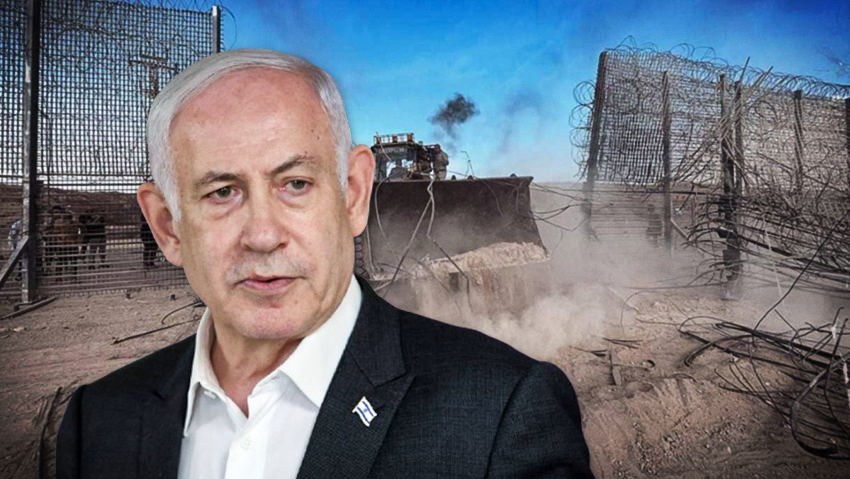
Prime Minister Benjamin Netanyahu and his close circle are intent on blaming Israel’s protest movement and the judiciary for the October 7 failure, pushing to establish a state commission of inquiry focused on the demonstrations’ supposed role in the Hamas massacre.
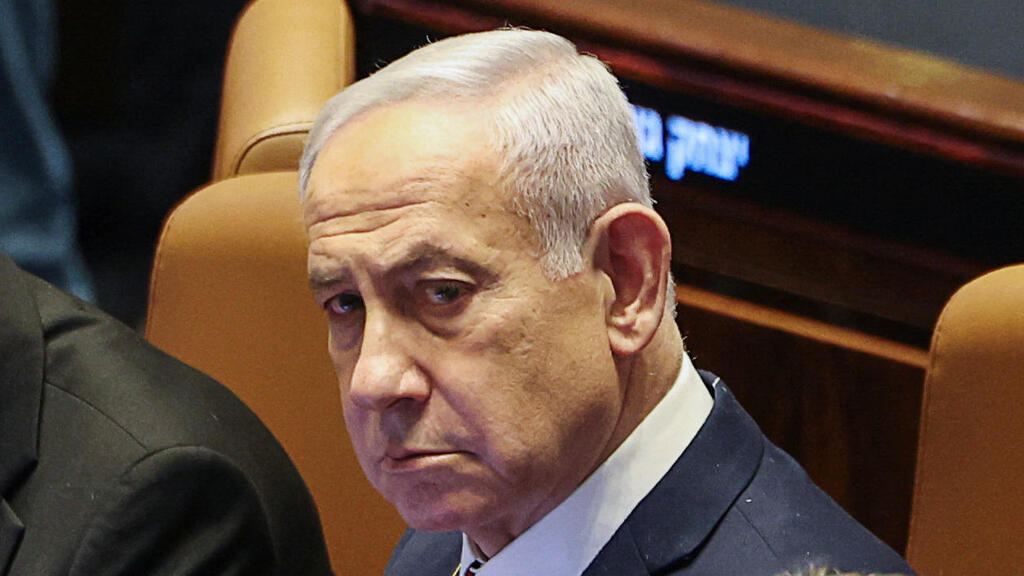
But while Netanyahu seeks to deflect responsibility, senior security officials had repeatedly warned him about an impending attack — including an explicit “war warning” from the Shin Bet chief three months before the assault.
Looming threat, ignored warnings
In the months leading up to the Hamas terror attack, top Israeli intelligence bodies delivered a series of alerts to Netanyahu about the dangerous erosion of Israel’s deterrence amid internal political strife. The warnings came as his government advanced controversial judicial overhaul laws that sparked unprecedented nationwide protests and division.
Opposition leader Yair Lapid, speaking just two weeks before October 7, warned in what he called his “speech of caution” that Israel was “approaching a dangerous multi-front confrontation.” He cited repeated alerts from the IDF, Shin Bet, and police about the risk of escalation, accusing far-right ministers Itamar Ben-Gvir and Bezalel Smotrich of ignoring security recommendations.
In a subsequent interview, Lapid said his warning was based on classified intelligence presented during briefings with Netanyahu. “The information I heard horrified me,” Lapid recalled. “All the warnings were in the material. But Netanyahu didn’t seem disturbed in the slightest. The system was complacent — it heard the warnings and chose to ignore them.”
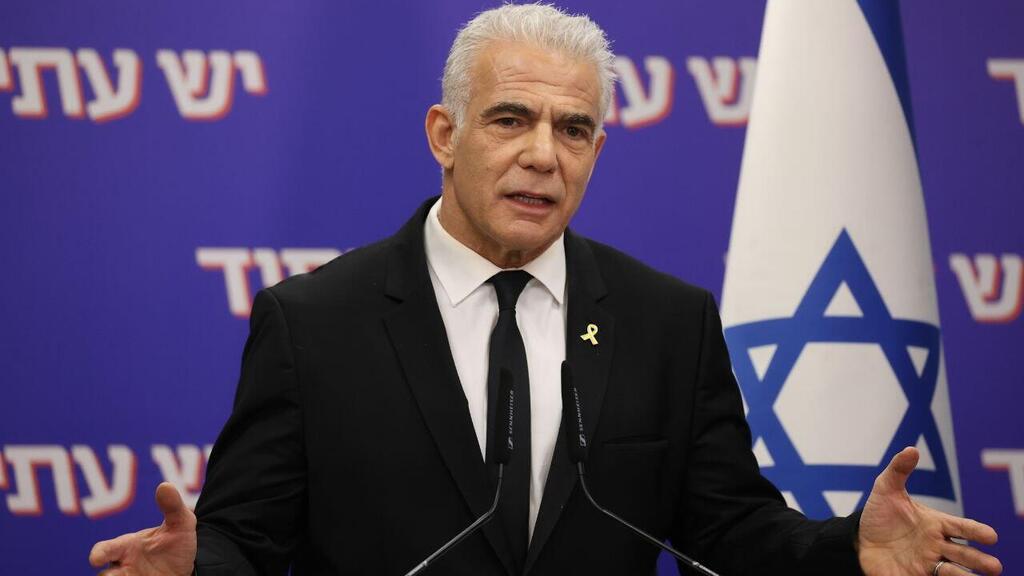
Opposition leader Yair Lapid
(Photo: Alex Kolomoisky)
Four intelligence letters and a ‘war warning’
In May 2024, the IDF confirmed through a Freedom of Information request filed by the nonprofit Hatzlacha that Netanyahu had received four separate warning letters from Military Intelligence between March and July 2023. The documents explicitly cautioned that Israel’s deterrence was weakening due to severe internal divisions and the perception of societal collapse.
One letter, sent in July 2023 — just three months before the Hamas invasion — warned Netanyahu personally of “grave new security implications.” Intelligence analysts noted that Israel’s adversaries saw an “historic opportunity to change the strategic balance in the region,” identifying a breakdown in four pillars of deterrence: military strength, U.S. alliance, economic stability, and internal cohesion.
During this same period, Shin Bet Director Ronen Bar personally told Netanyahu, on July 24, 2023, the eve of the Knesset vote on the “reasonableness clause,” that he was delivering a “war warning.” Bar said, “I can’t give you a day or an hour, but this is the alert.” He urged Netanyahu to project national unity to deter aggression. Netanyahu approved Bar’s request to meet with Lapid and convey the same message.
(Photo: Reuters/Ronen Zvulun)
‘Jericho Wall’: the plan that predicted the attack
A classified IDF operations document known as “Jericho Wall,” compiled in 2022, outlined a detailed Hamas invasion plan that closely resembled the events of October 7. The plan was discussed in a July 2022 IDF General Staff meeting led by Brig. Gen. Yaron Finkelman, who later became commander of the Southern Command and was caught off guard by the attack.
The document warned that Hamas could launch a surprise assault under the guise of a military exercise — a scenario Finkelman himself later fell victim to. The plan called for a large-scale incursion into Israeli territory, and the summary of the meeting explicitly noted the “potential for significant damage” if Hamas acted even partially on its ideas.
Despite the red flags, little was done to prepare. “Jericho Wall” was built on concrete intelligence and identified Hamas’s intent to shift from defensive tactics to an offensive doctrine aimed at Israeli communities near the border.
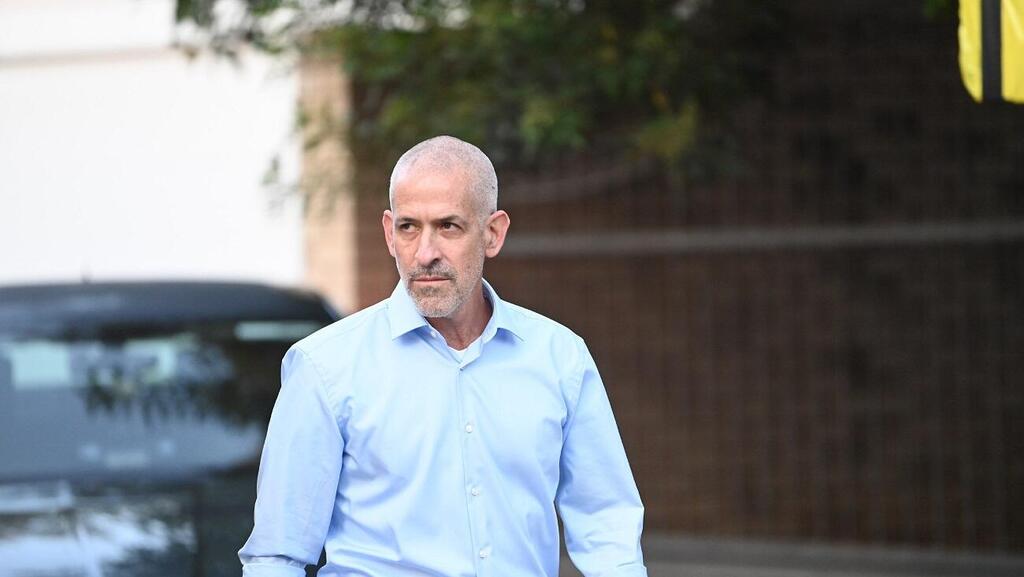
Former Shin Bet Director Ronen Bar
(Photo: Yair Sagi)
Shin Bet’s investigation and admission of failure
In March 2025, the Shin Bet published a summary of its internal probe into the agency’s failure to prevent the October 7 invasion. The report listed several key factors that enabled Hamas’s buildup: Israel’s policy of quiet in exchange for temporary calm, the flow of Qatari funds to Gaza, the ongoing erosion of deterrence, the exclusive reliance on defensive intelligence, and the perception of Israeli weakness amid internal division.
However, the Shin Bet insisted it had not underestimated Hamas: “There was a deep understanding of the threat, and persistent efforts to disrupt it.” The agency admitted it had known about the “Jericho Wall” plan — known in Arabic as “Wa’ad al-Akhira,” or “Promise of the Hereafter” — but said it had not been designated as a formal “reference threat,” meaning it wasn’t treated as an actionable operational scenario.
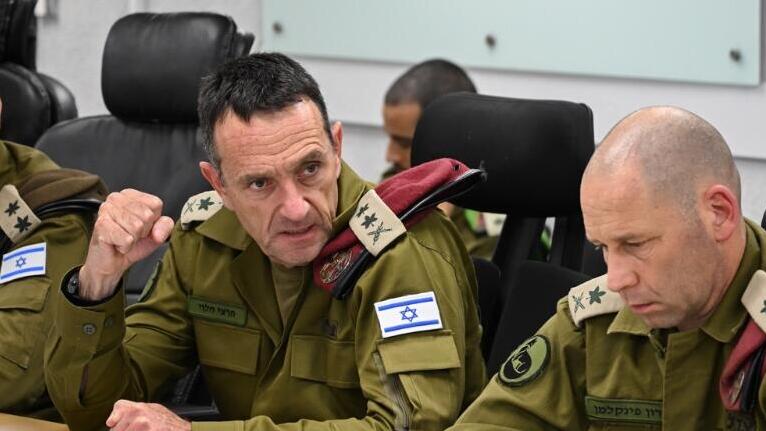
Former IDF chief of staff Herzi Halevi
(Photo: IDF)
This failure, the agency acknowledged, “was one of the main reasons for the collapse.” The absence of a defined reference threat, the report said, impaired Shin Bet’s intelligence-gathering and contextual understanding of warning signs leading up to the attack — and crippled decision-making on the night before October 7.
Ultimately, the report concluded that Israeli intelligence had uncovered Hamas’s invasion plans eight and three years before the massacre — yet “they were not properly addressed.” As the Shin Bet put it, “We did not assess that Hamas had moved to the breakout phase from Gaza, believing instead it was focused on igniting the West Bank. That misconception fatally affected decision-making on the night of October 6–7.”
Despite the cascade of documented intelligence warnings, Netanyahu has sought to direct public scrutiny elsewhere, advocating for a commission to investigate the protest movement’s alleged role in the events of October 7. Security sources and opposition leaders call the move an attempt to rewrite history.
“The government knew, the Cabinet knew, the prime minister knew — and they were warned again and again,” Lapid said. “Instead of acting, they ignored the alarms. And now, they’re trying to blame the very people who warned them.”