

The possibility that U.S. President Donald Trump could order an American strike on Iran resurfaced again over the weekend. Similar assessments have circulated several times since the start of the year. Yet the IDF did not impose a leave freeze over the weekend or implement additional emergency readiness measures — part of a calculated approach expected to characterize the coming period, as the General Staff convenes frequent situation assessments.
In contrast to what military officials describe as alarmist briefings from the political echelon in recent weeks about an imminent full-scale war, IDF Spokesperson Effie Defrin once again addressed the Israeli public on Friday with calming messages, emphasizing continued routine alongside close monitoring of regional developments.
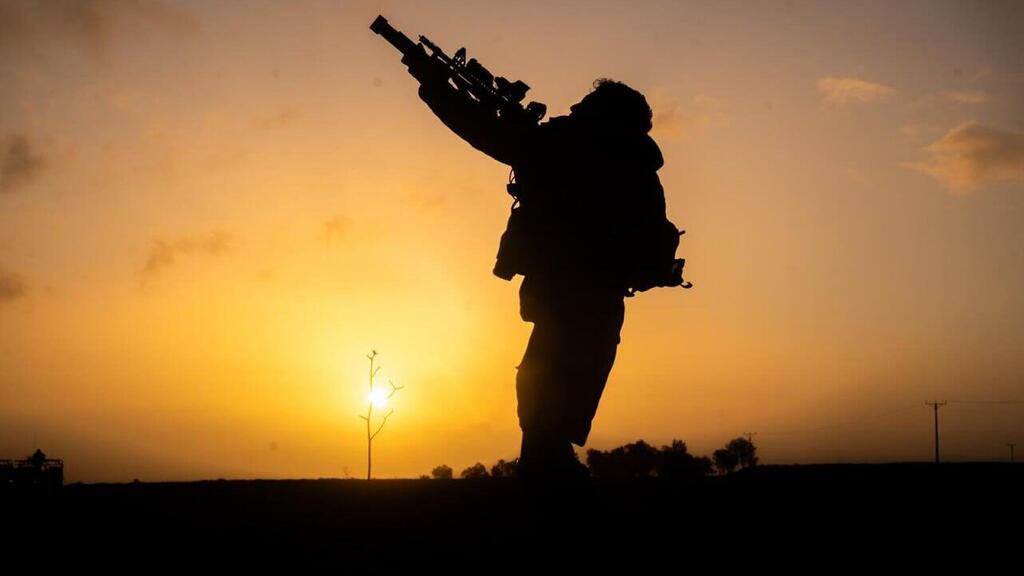
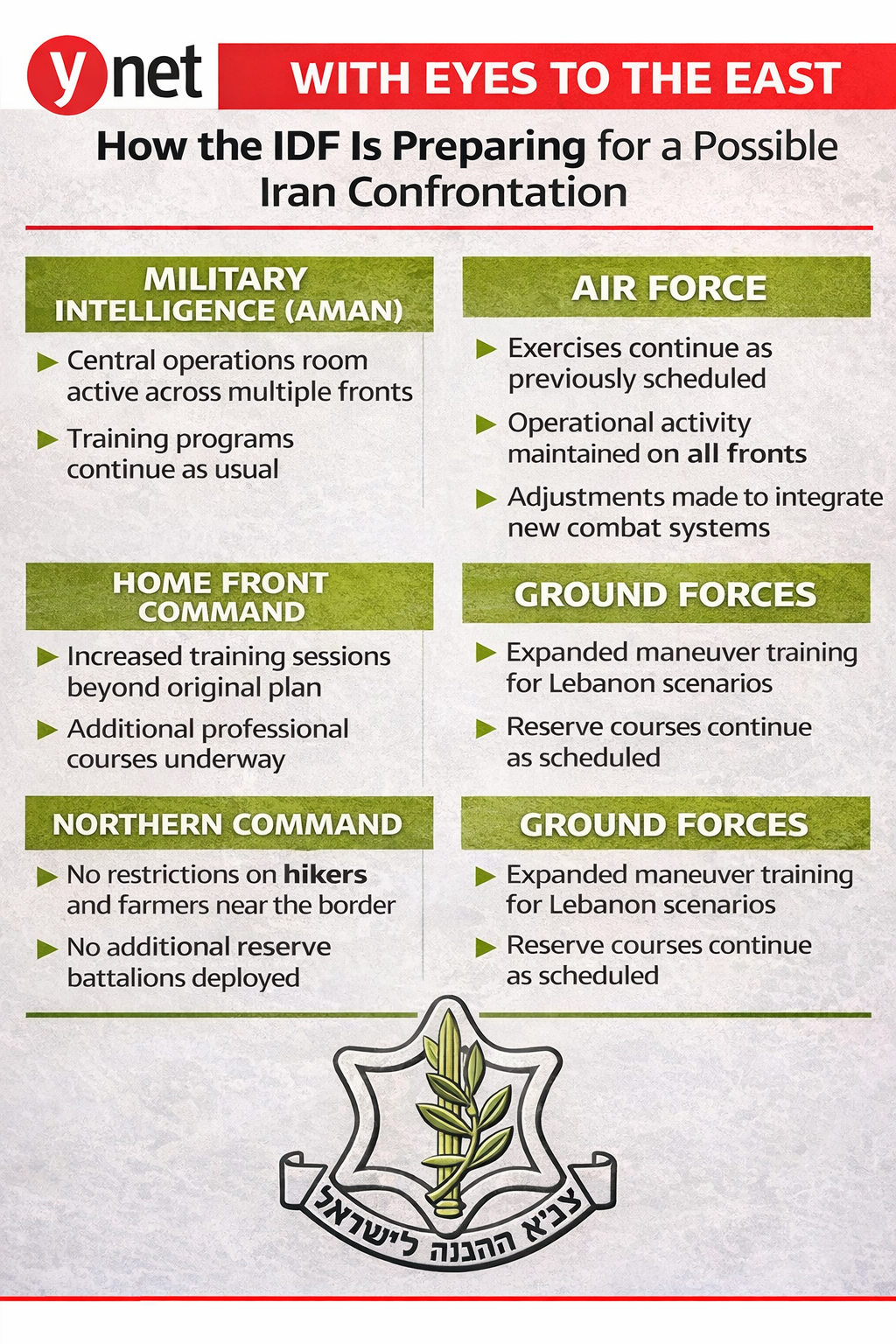
Within the Military Intelligence Directorate and the Air Force — which are expected to lead any future campaign against Iran, should another round follow last June’s Operation Rising Lion — frameworks have already been formulated to manage the heightened tension without disrupting operational routine, force build-up programs or further eroding personnel, particularly reservists. A manpower management plan for reservists in command centers, operations rooms and operational headquarters has already been launched, designed to provide sustainability and allow soldiers to continue serving under current conditions for months if necessary.
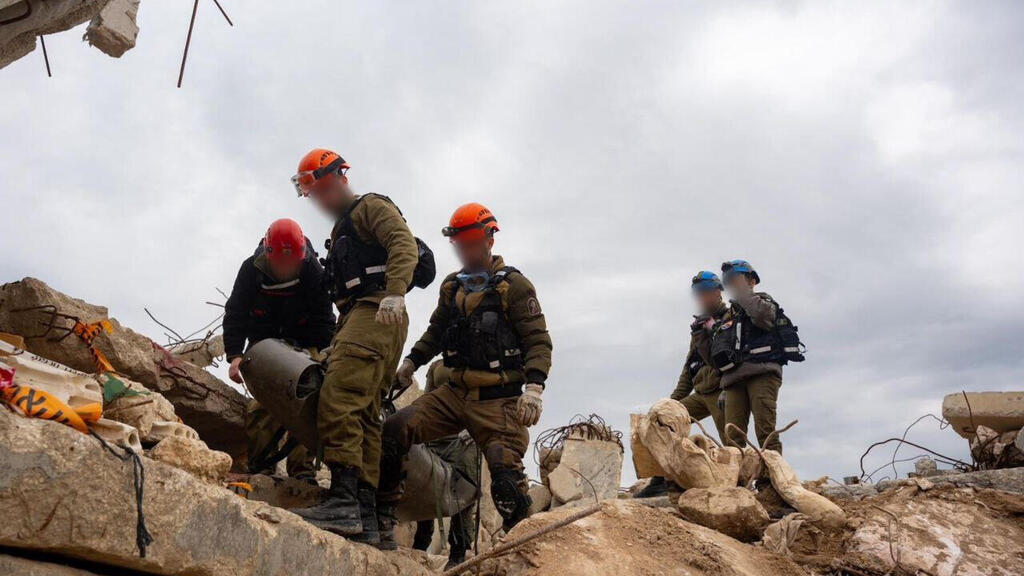
The Home Front Command continues with the exercise program, including this month at Zikim
(Photo: IDF Spokesperson's Unit)
In many units within these branches, as across much of the military, soldiers are still permitted to travel abroad on leave unless they serve in critical roles. The Air Force is maintaining its preplanned training schedule and exercises, alongside ongoing operational activity from Lebanon to Gaza.
Air Force applies lessons from Rising Lion
One area affected by the tension — though adjustments have been made to avoid slowing the strengthening of Israel’s strategic arm — is the absorption of new weapons systems and munitions that continue to flow into the Air Force. Integrating such systems typically requires temporarily freezing certain unit activities. This includes all types of equipment: from new bombs and warheads to weapons systems, command and control platforms, intelligence capabilities and even aircraft. The Air Force has managed this balancing act while minimizing any impact on its force build-up.
A comprehensive plan, approved by the Air Force commander, has been formulated to preserve long-term endurance and operational discipline while supporting both active-duty personnel and reservists. Daily drills and simulations of scenarios that could unfold in the next confrontation are conducted to sharpen readiness for both defense and offense. Clear benchmarks have been set to maintain high alert levels, and the Air Force conducts regular assessments to ensure none of them slip.
Adjustments have also been made within the air defense array. Iron Dome, Arrow and David’s Sling batteries — including reserve units — have been fully deployed since tensions escalated, but in a measured manner informed by lessons from the prolonged, multi-front war Israel has faced since October 7. “We don’t have leave freezes, and we know how to send people home when possible. The situation is managed. Our soldiers are training throughout, and even when there were sleepless nights recently, things remained under control,” said Maj. N., a commander of an Iron Dome battery.
More broadly, the Air Force is intensifying the implementation of lessons from Operation Rising Lion recognizing that the next round with Iran could be longer and feature different characteristics: varying rates of fire, potential involvement of terror organizations from Yemen to Lebanon, but also a stronger, closer and more substantial defensive umbrella from the U.S. military.
Across the IDF, lessons from the long war are being applied in recent weeks, and commanders are deliberately avoiding unnecessary escalatory steps that could alarm the public or exhaust forces without cause. The military is still operating under Emergency Order 8 reserve mobilization, which gives it flexibility — including refraining, for now, from calling up Home Front Command reserve battalions, which have not been activated since tensions with Iran began.
Home Front Command continues its planned training program for each battalion at the new, expanded urban destruction training facility at Zikim base. Each search-and-rescue reservist undergoes a week-long battalion exercise incorporating lessons from the 12-day war with Iran.
Intelligence focus: Avoiding tunnel vision
Similarly, routine continues in Northern Command, which reinforced its forces during Operation Rising Lion and at other tense moments throughout the war. In the Galilee divisions, there are no restrictions on hikers or farmers near the borders, nor have additional reinforcement battalions been deployed beyond existing forces, which are already two to three times larger than in the years preceding the war.
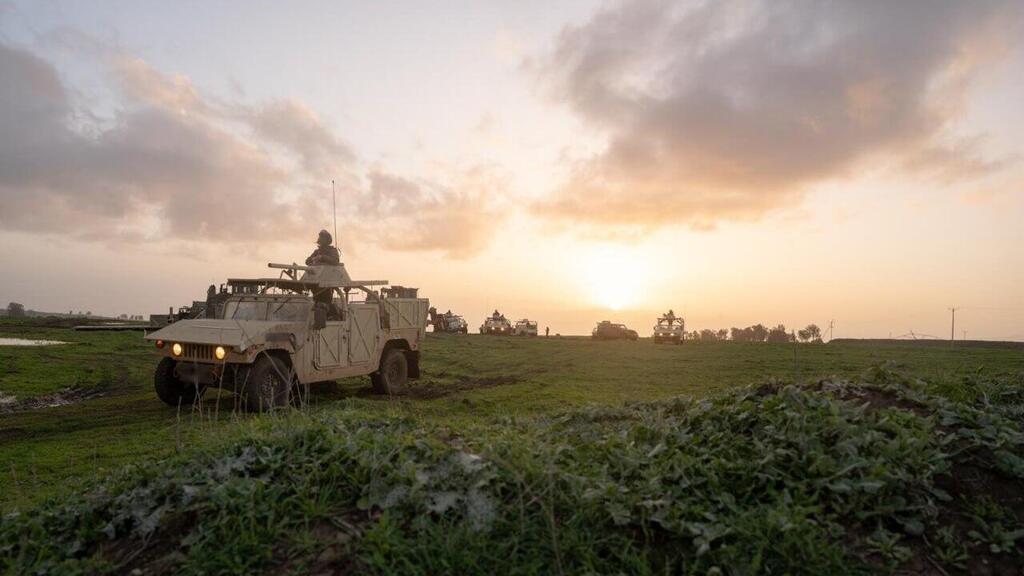
Ground forces training in the Golan Heights
(Photo: IDF Spokesperson's Unit)
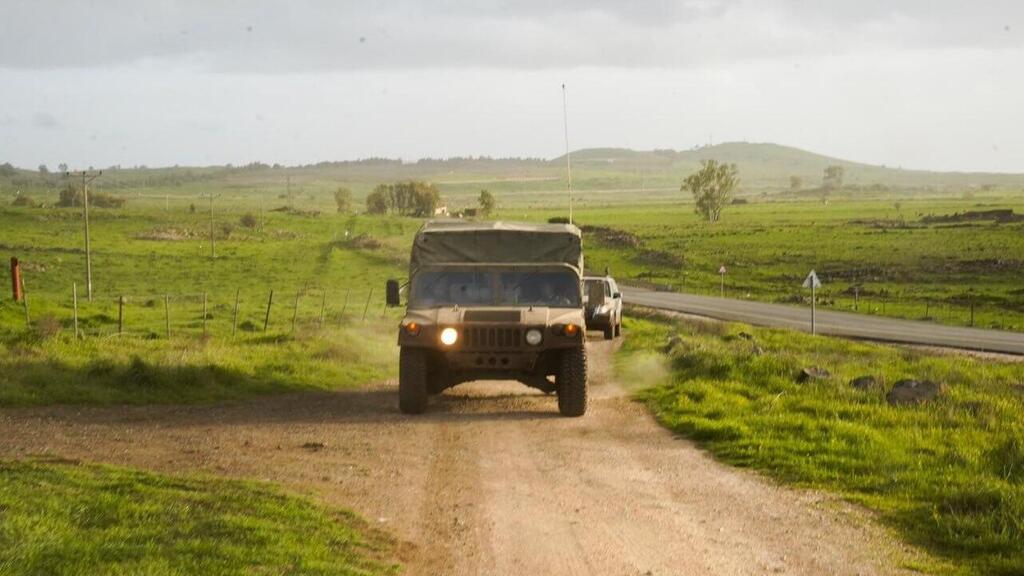
(Photo: IDF Spokesperson's Unit)
Military Intelligence continues its training courses and professional programs, while heightened alertness is reflected primarily in intensified monitoring of Iranian targets and the generation of new ones; suspicious movements in Lebanon and Yemen; and ongoing operations in Gaza and the West Bank.
Military Intelligence chief Maj. Gen. Shlomi Binder convened advanced discussions this month regarding another possible campaign against Iran, some jointly with Air Force commander Maj. Gen. Tomer Bar. One key lesson from the war helping the Intelligence Directorate avoid “spreading itself too thin” is the operation of a 24/7 multi-arena warning operations center established over the past year. Known by the Hebrew acronym Tmuna (Enemy Situation Picture, Operations and Warning Management), the center’s personnel are not focused solely eastward on Iran.
The Intelligence Directorate’s target bank unit — responsible for collecting and validating targets — continues its work, with a central objective being to avoid focusing exclusively on one arena at this time, based on the assessment that relatively quieter fronts such as the West Bank or Jordan could escalate first.
Within the ground forces, training for maneuvers in Lebanon has continued in recent weeks, including exercises by reserve brigades such as Brigade 5, which trained last week in the Golan Heights while simultaneously conducting operational activity along the Syrian border. Regular battalions from the Paratroopers, Golani and the 401st Armored Brigade are also honing combat skills in mountainous and dense terrain scenarios resembling southern Lebanon.
At the same time, the ground forces have not halted NCO and officer training courses, nor have they expanded reserve mobilizations beyond the annual framework, continuing efforts to restore readiness after the prolonged war.