


Israel’s state comptroller has released another report on government shortcomings during the war, this time focusing on agriculture. The report, published Tuesday, highlights serious gaps in the Agriculture Ministry’s emergency preparedness and its handling of challenges after the conflict broke out.
The October 7 Hamas terror attack killed or kidnapped 56 Israeli farmers, 52 foreign agricultural workers, and 13 students. Comptroller Matanyahu Engelman praised the sector’s resilience: “During the war, Israel’s farmers and their workers stood at the front line — holding on to their land at immediate risk to their lives, returning to work their farms under fire, with the help of volunteers.”
Gallery
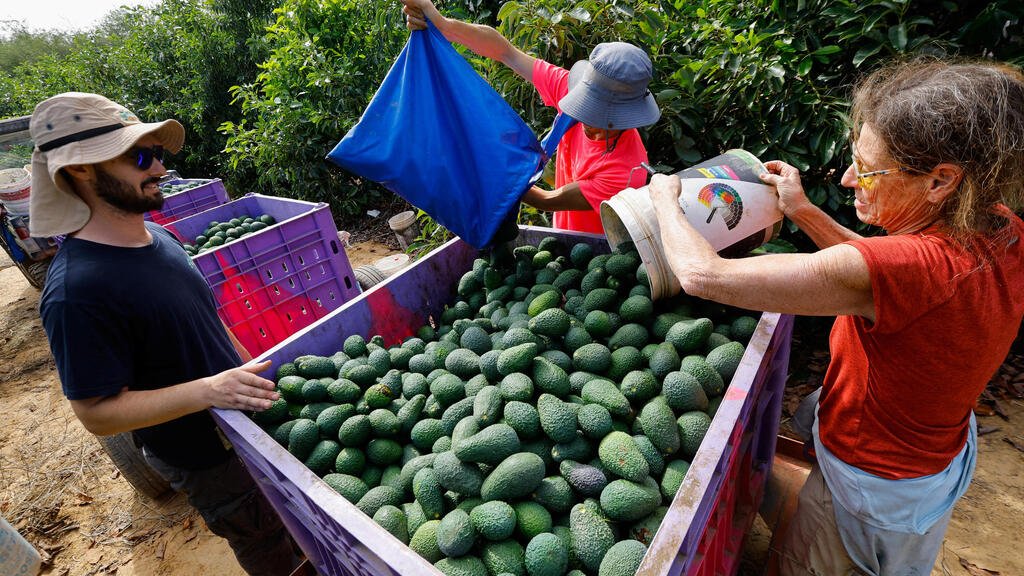
Report highlights serious gaps in the Agriculture Ministry’s emergency preparedness
(Photo: Reuters /Alexander Ermochenko)
The attacks caused massive damage in farming communities near Gaza. Twenty-five dairies were hit, and agricultural losses in the first six months of the war were estimated at 670 million shekels. Monthly domestic output dropped by an average of 163,000 tons, with fruit and vegetable production down 25% — driving prices higher.
The report urged the Agriculture Ministry to study the price surge and create clear guidelines to ensure a stable supply during emergencies. From October 2023 to August 2024, fruit and vegetable prices jumped 10.8% on average compared with a year earlier, far outpacing the consumer price index (3%) and food prices excluding produce (3.7%). Between October 2023 and January 2025, Israel saw the sharpest spike in fresh produce prices in five years. Engelman warned that continued high prices into late 2024 may reflect the government’s inability to manage wartime shocks.
Weak protection and outdated planning
The comptroller found that only a handful of Israel’s 800 dairies had sufficient emergency water reserves, despite the issue being known since 2017. Around 1,000 protective shelters were also missing in agricultural areas. While the ministry funded hundreds of shelters after October 7, it lacked accurate data on actual needs.
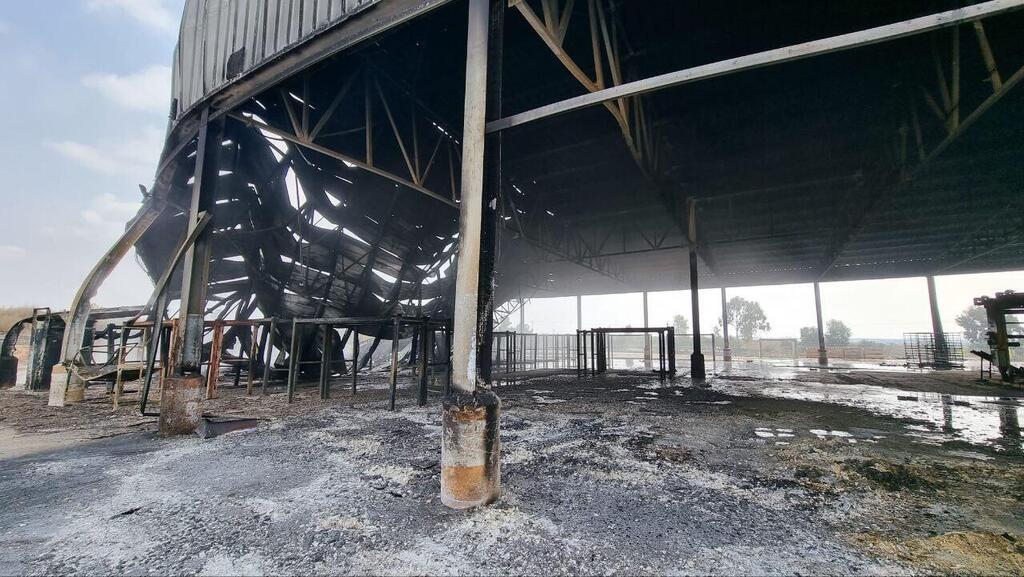
The damage to the dairy farm at Kibbutz Alumim after October 7
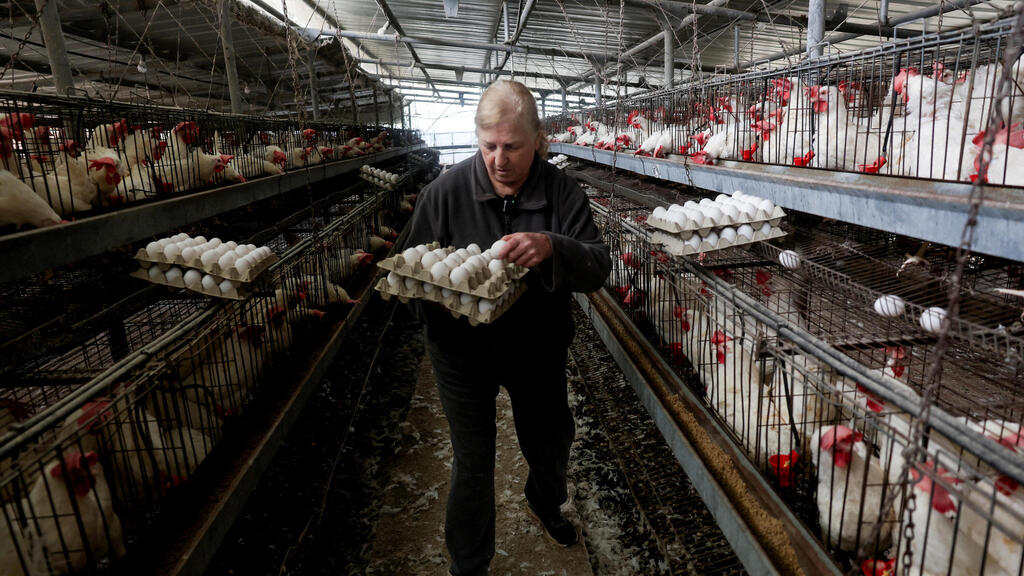
The ministry had also failed to update its agricultural emergency scenario since 2010 or its response plan since 2015, leaving it reliant on outdated consumption data. For example, its egg supply target was based on annual demand of 1.7 billion eggs, compared with actual consumption of 2.7 billion in 2023. The ministry also lacked updated farmland mapping, limiting its ability to assess damage and plan production during the war.
Another weakness was Israel’s reliance on more than 30,000 foreign farmworkers from Thailand under a single bilateral agreement. Their sudden absence left farms critically understaffed. Volunteers from across Israel stepped in, but the report found no government body coordinated their deployment. As a result, tens of thousands of volunteers worked without centralized oversight, creating duplication and inefficiencies.
Before the war, the ministry had not prepared plans for alternative farmland use in emergencies, even though one-third of Israel’s vegetables, field crops and orchards — and two-thirds of its eggs — are produced in northern and southern frontline communities. Only after the fighting began did the ministry begin seeking replacement farmland.
(Photo: Reuters/Ronen Zvulun)
Engelman concluded that agriculture’s continued operation in wartime is “a vital pillar for ensuring the steady supply of basic needs — milk, meat, eggs, fruit and vegetables,” and urged urgent reforms.
Agriculture Ministry responds to report
In its reply, the ministry said the report dealt with an “unprecedented national emergency.” Officials said they had acted with full commitment to ensure a continuous supply of fresh produce, citing recent price drops for tomatoes, cucumbers and onions compared with 2023.
The ministry acknowledged responsibility for some shortcomings but noted that authority over agricultural land planning had been shifted to another ministry in 2023, and that farm fortifications were under the Home Front Command’s jurisdiction. It said it had nonetheless led wide-scale initiatives to protect farming operations, secure water supplies, and manage resources fairly during the crisis.
On foreign labor, the ministry said no contingency could have anticipated the scale of workers’ departure, abduction, and killing. It also said it did its utmost to manage the surge of volunteers, despite the absence of a formal framework.