

Hezbollah leader Naim Qassem said Friday that Israel must withdraw completely from Lebanon, accusing it of seeking to occupy the country and warning that it would leave “humiliated and defeated.”
Qassem spoke in Lebanon during a ceremony marking Ashura, one of the most important dates in the Shiite Muslim calendar. For Shiites, Ashura is a day of mourning commemorating the killing of Imam Hussein, the grandson of the Prophet Muhammad, at the Battle of Karbala in 680. Hezbollah, a Lebanese Shiite militant and political movement backed by Iran, often uses the occasion for political speeches and denunciations of Israel.
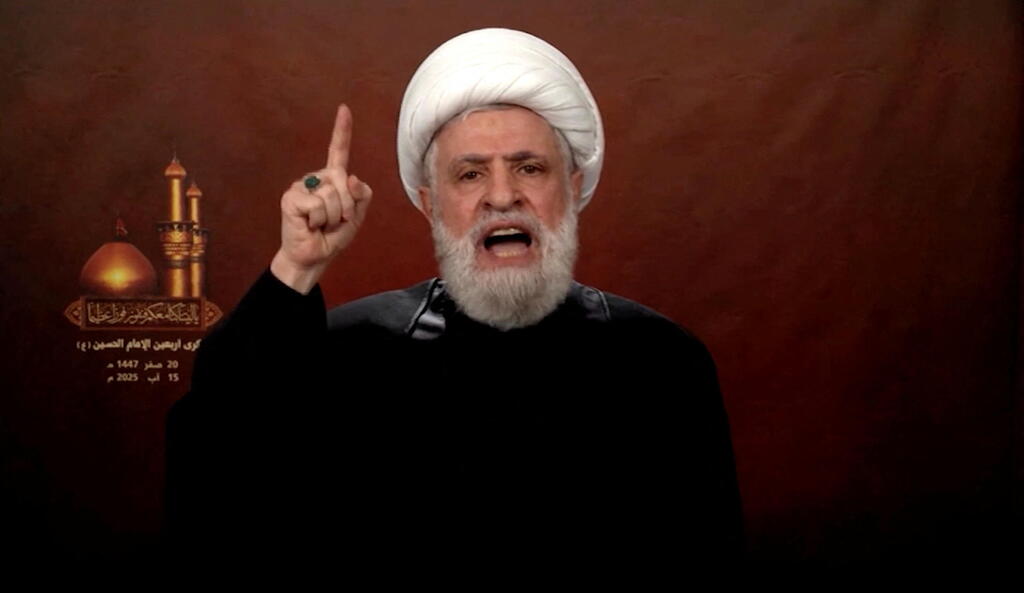
“Israel is in Lebanon because it wants to occupy it as part of ‘Greater Israel,’ and the resistance arose because of aggression and occupation,” Qassem said, referring to U.S. Secretary of State Marco Rubio’s remarks that Israel remains in Lebanon because of Hezbollah fire. Hezbollah refers to itself and allied armed groups as “the resistance.”
Qassem praised Iran, saying it had stood firm “despite the aggression” and had reached a memorandum of understanding that amounted to “an official declaration of the defeat of America and Israel.”
“Today, Iran is shaping the future, not only for itself but for the entire region,” he said. “Thank you, Iran.”
Qassem said Israel had “no choice but to withdraw completely from every inch of Lebanese land and stop its attacks by air, land and sea.”
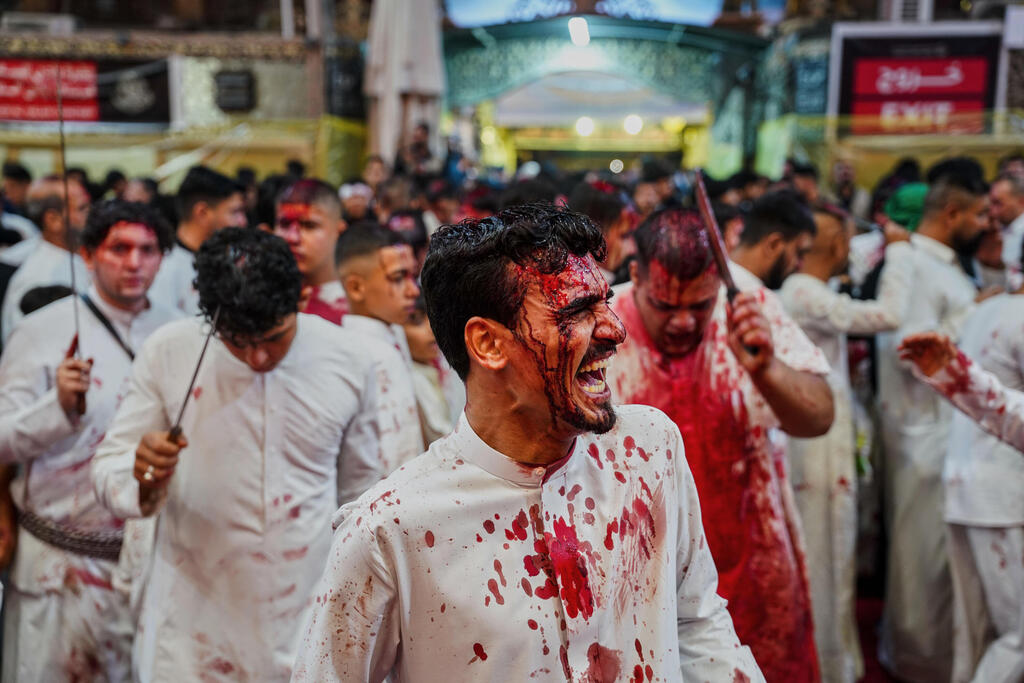
Ashura events in Iraq
(Photo: AP Photo/Anmar Khalil)
“Israel must leave unconditionally,” he said. “Any commitment against Lebanon’s sovereignty will not be accepted, and no one has the right to sign anything. All solutions must be based on full Lebanese sovereignty and complete independence. No normalization, no achievements for Israel and no partial presence on Lebanese land.”
His remarks came amid growing criticism in Beirut of Hezbollah and as talks between Israel and Lebanon in Washington were described as tense. Under U.S. pressure, however, compromises appeared possible. Rubio said Thursday that Israel and Lebanon were nearing an understanding on pilot zones for disarming Hezbollah. In those areas, the IDF would likely withdraw from areas already cleared, with the Lebanese army replacing it.
People familiar with the talks said the current round, the fifth, was the most difficult so far. An Israeli official said the Americans were pushing hard for an understanding despite the disagreements.
Qassem also addressed the Lebanese government, saying Hezbollah was “extending a hand” and urging officials to “take advantage of the opportunity.”
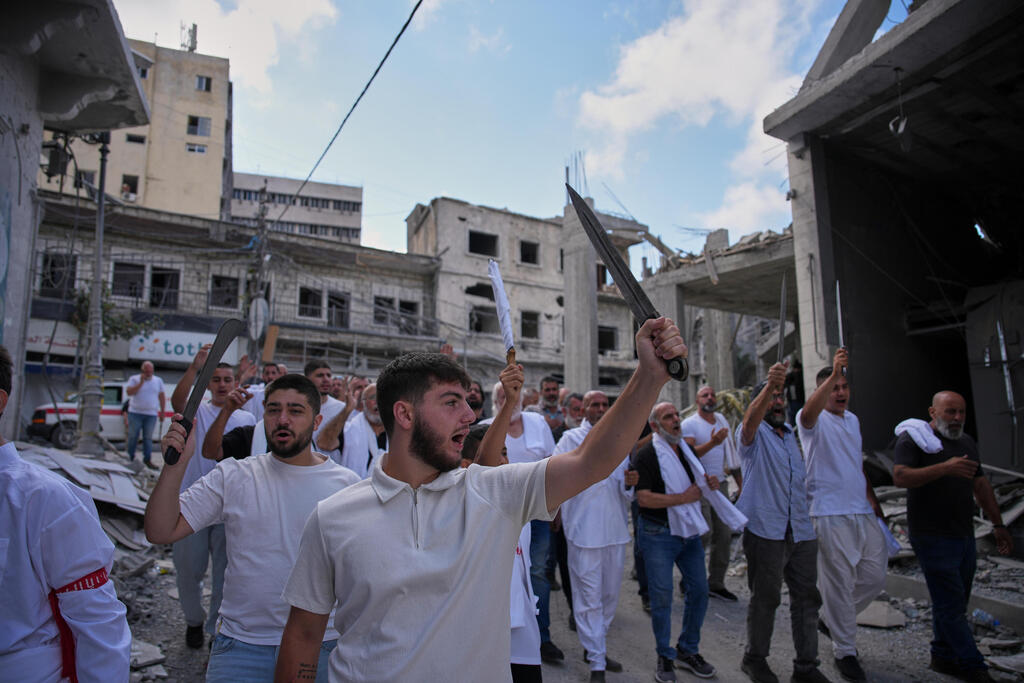
Ashura events in Lebanon
(Photo: AP Photo/Hassan Ammar)
“You cannot be in confrontation with more than half the people,” he said. “The resistance continues in its presence, its decisions and its capabilities. The Lebanese government cannot be in confrontation with more than half the Lebanese people.”
He called on Lebanese authorities to “stop implementing the enemy’s instructions” and “stop making decisions that serve the interests of America and Israel.”
“We are ready and we extend our hand,” he said. “Take advantage of the opportunity, because the resistance is strong. We are with you if you continue on the path of Lebanese sovereignty.”
Meanwhile, Lebanese media reported several Israeli strikes Thursday night, including two in the village of Beit Yahoun near Bint Jbeil in southern Lebanon.
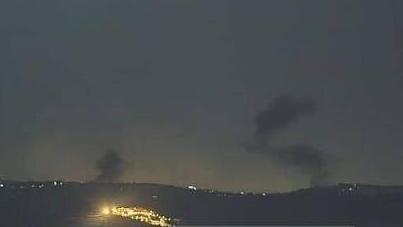
Israeli airstrike in Beit Yahoun, southern Lebanon
The IDF later said two officers and two soldiers were wounded in a clash with a terrorist in the Beit Yahoun sector. The attacker threw a grenade from inside a building at troops from the 769th Brigade combat team of the 91st Division, the military said. The force returned fire and killed him.
One officer was moderately wounded by the grenade blast, while another officer and two soldiers were lightly wounded.