

Iran’s oil revenues are rapidly drying up as a U.S. naval blockade prevents new crude shipments from leaving the Persian Gulf and the stockpile already positioned outside the blockade dwindles toward exhaustion, The Wall Street Journal reported.
No Iranian crude has crossed the blockade since the U.S. Navy reinstated it in mid-July, according to shipping-data firm Kpler. Iran is still loading limited amounts of oil onto tankers inside the Gulf, but those barrels remain trapped there.
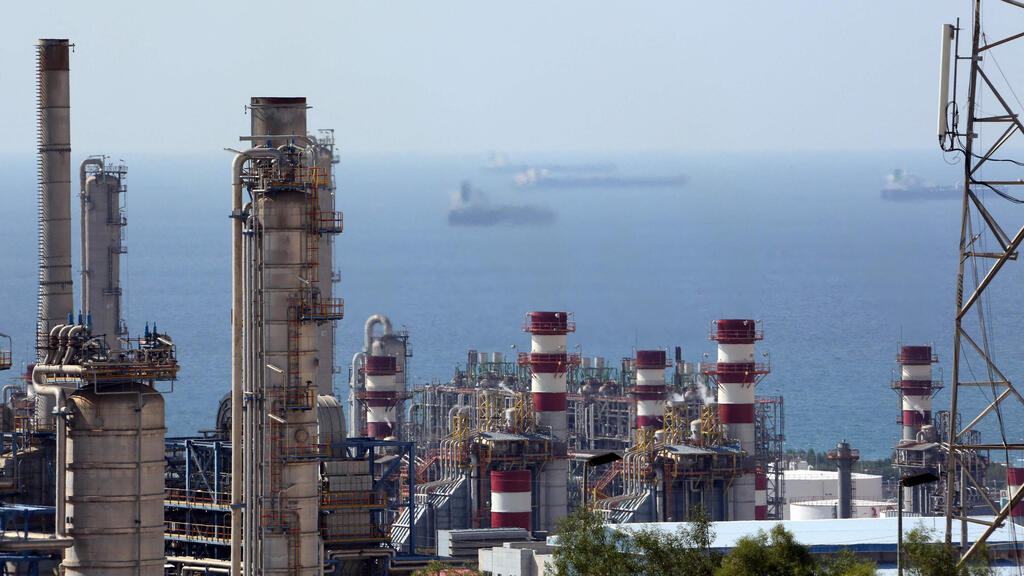
Archive photo from 2015: gas, petrochemical and oil facilities in Asaluyeh, Iran
(Photo: Atta KENARE / AFP)
Meanwhile, Iranian crude already aboard vessels beyond the blockade, which Tehran can still deliver and sell, has fallen from roughly 90 million barrels in mid-July to about 29 million. Kpler estimates that if deliveries continue at their current pace, mostly to China, that floating stockpile could be exhausted by mid-October. Payments for cargoes already delivered could largely dry up by mid-December.
The squeeze is hitting Iran six months into the war, as the rial weakens, inflation surges and the economy contracts. Oil typically finances about one-third of the state budget and also helps fund the military, including the Islamic Revolutionary Guard Corps.
Iran loaded about 255,000 barrels a day onto vessels inside the Gulf in August, according to Kpler, roughly 85% below the average recorded between February and April. Those newly loaded barrels have not made their way toward overseas buyers.
Tehran is still benefiting from crude moved abroad during a temporary easing of the blockade after U.S.-Iran diplomatic contacts in June. That window allowed Iran to transfer large quantities beyond the Gulf for later delivery, but those reserves are now shrinking quickly.
Chinese refiners have increasingly turned to Saudi, Iraqi and Emirati crude, Gulf energy officials told the Journal. Iranian oil has become scarce enough that in some cases it costs refiners more than competing supplies. Iraq has offered discounts approaching $30 a barrel on some grades.
The blockade also appears to be forcing Iran to reduce production. Domestic inventories have not risen significantly despite the collapse in exports, suggesting Tehran has cut output closer to what it needs for domestic consumption, according to Homayoun Falakshahi, Kpler’s head of crude-oil analysis.
Alternative routes offer little relief. Iran can move only limited volumes by truck or rail, with Falakshahi estimating that trucks could carry no more than about 40,000 barrels a day, compared with prewar exports of nearly 2 million barrels daily.
The pressure is also spreading to petrochemicals, Iran’s second-largest source of foreign-currency earnings after oil. Kpler estimates that loadings in August were about two-thirds lower than at the beginning of 2026.
For Tehran, the lost revenue is compounding an already severe economic crisis. Official inflation is running above 80% year over year, while the International Monetary Fund forecasts a 5.4% contraction this year. The rial has also lost almost 15% of its value against the dollar since President Donald Trump announced his latest economic pressure campaign in August.
Washington is betting that the mounting economic pain will force Tehran to make concessions, but Gulf officials and analysts cited by the Journal remain skeptical. Some warn that instead of backing down, Iran may choose further military escalation as the economic pressure intensifies.