

Security officials are warning of a growing trend in which Jewish Israeli civilians are illegally entering Palestinian cities—particularly Tulkarm and Qalqilya—driven by a “false sense of security” and rising prices in Israel. Just in the early hours of Wednesday, six civilians were extracted from Palestinian areas, part of a pattern that has accelerated since the beginning of 2025.
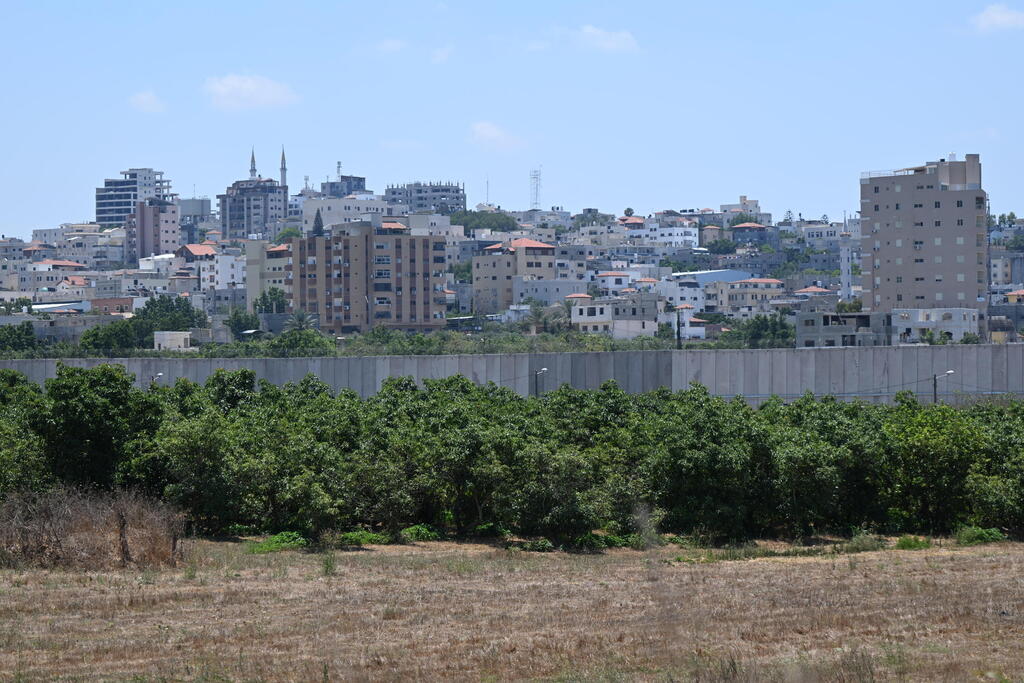
Since January, 23 Jewish Israelis have been intercepted in the Ephraim region after entering Area A, which is under the Palestinian Authority's control. Eleven of those cases occurred this month alone. In addition to the six detained overnight, three more Israelis were extracted from Tulkarm and Qalqilya two days earlier—an unusually high figure that underscores the scope of a trend troubling to security officials.
According to sources familiar with the issue, several factors have fueled this rise: a sense of calm in most security arenas, Gaza reclaiming its status as the primary conflict zone, the perception that the West Bank is “relatively quiet,” a decline in terrorist incidents, and economic strain inside Israel. Officials say these conditions have created a “false sense of security” that lowers public vigilance, encourages risk-taking, and draws civilians into Palestinian cities in search of cheaper goods and services.
That perception has been reinforced by a sharp drop in terror activity, particularly in the West Bank. In recent months, incidents involving stone-throwing and Molotov cocktails have dramatically declined. Last month, only about 60 such incidents were recorded—a number not seen in Central Command for some time.
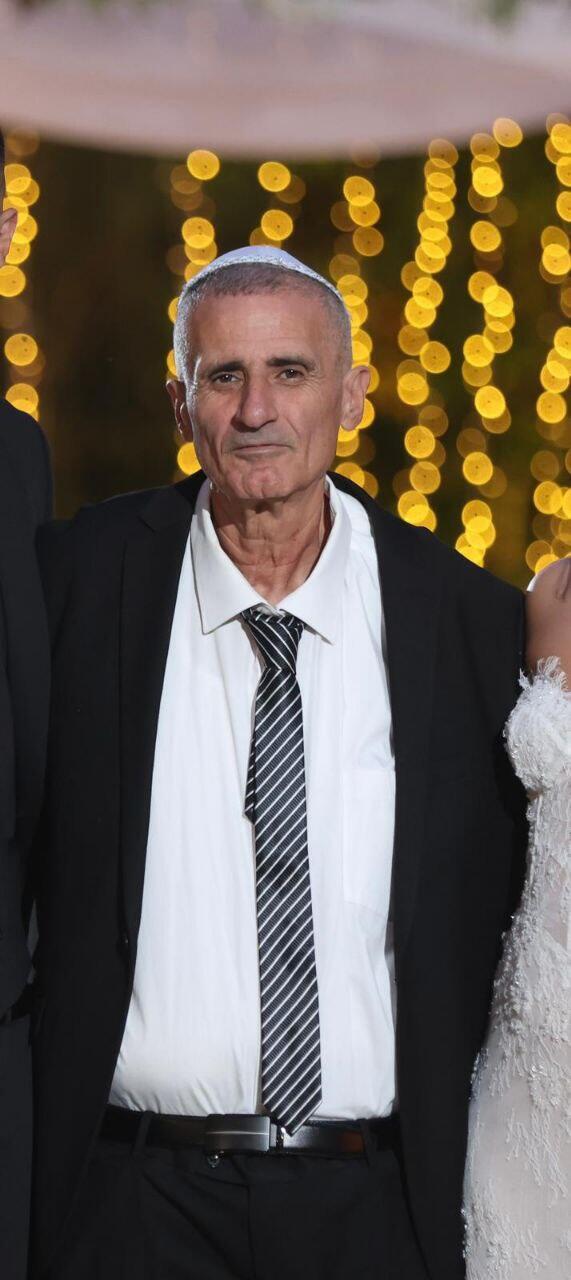
The late Amnon Muchtar
(Photo: Courtesy of the family)
These conditions, coupled with financial pressures, appear to be driving more Israelis into Palestinian areas. Most civilians apprehended in the sector told interrogators they had entered Area A for shopping, fueling vehicles, car repairs, or other low-cost services.
Get the Ynetnews app on your smartphone: Google Play: https://bit.ly/4eJ37pE | Apple App Store: https://bit.ly/3ZL7iNv
Overnight, the Civil Administration extracted six Jewish Israelis from Area A, including one found early morning in Qalqilya and a group of civilians from Jericho. A report received at the Jericho District Coordination and Liaison (DCL) office indicated four Israelis had mistakenly entered the city. “Upon receiving the report, DCL officers activated security coordination channels, and the four were handed over to Civil Administration forces and transferred to Israeli police,” the statement said.
At the same time, a report was received at the Ephraim DCL about an Israeli who had “intentionally entered” Qalqilya to put gas in his car. “Through swift action by unit officers, he was handed over to military forces and transferred to the security system,” the statement said. Elsewhere in the Gush Etzion area, Palestinians discovered a Jewish man inside Bethlehem. “Following actions by DCL officers in the region, the Israeli was transferred to security forces and referred for law enforcement follow-up,” officials added.
In response to the growing phenomenon, defense authorities stressed that entering Area A is illegal, citing the murder of Amnon Muchtar, who was shot dead by terrorists in June 2024 while shopping in Qalqilya. His body was returned to Israel by Palestinian security forces. The incident was described as a “significant turning point” that shaped operational directives among all agencies determined to prevent similar incidents and avoid wider escalation.
Simultaneously, IDF continues extensive operations in the northern section of the West Bank. Launched in January, these efforts target the growing presence of Hamas and pro-Iranian terror cells in and around refugee camps. Central Command forces are conducting raids and arrests, maintaining a persistent presence inside the camps, and hampering militants’ ability to establish infrastructure.
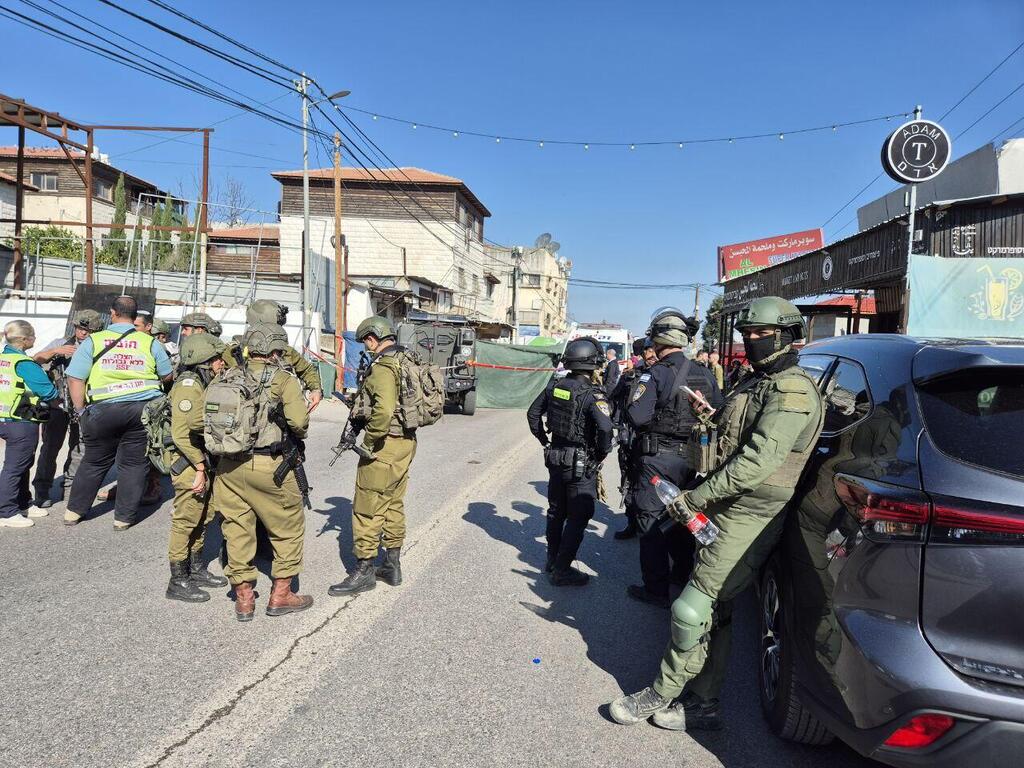
IDF operating in Qalqilya
Many terrorists have fled, been detained or neutralized across various villages. Meanwhile, security coordination with the Palestinian Authority has intensified, with the PA conducting its own arrests. Central Command and the Civil Administration are now shifting focus to the next phase: long-term urban planning aimed at transforming refugee camps into formal neighborhoods—part of a broader strategy to entrench recent security gains.