

Three years after the start of the longest war in Israel’s history, today’s IDF is no longer the same military. That is the picture emerging from a series of conclusions and changes across the armed forces, including Military Intelligence and the Israeli Air Force, released by the IDF Spokesperson’s Unit.
The three years of war have produced dramatic military achievements, but ultimately no terrorist organization has been decisively defeated. Hamas in the south and Hezbollah in the north remain standing and are still capable of posing threats to Israel.
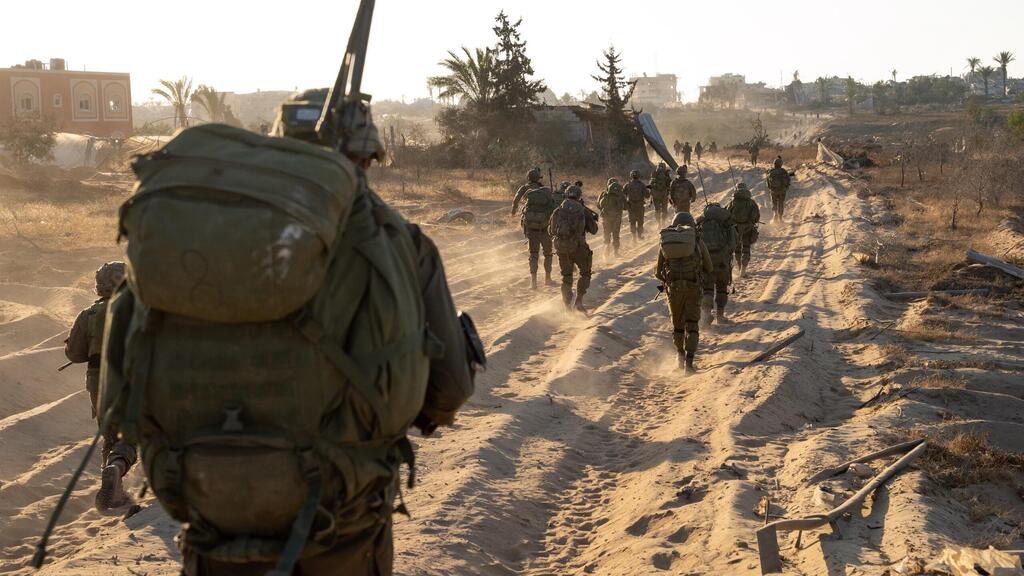
Of all the IDF’s branches, Military Intelligence, the body responsible for providing strategic warning, suffered the most devastating failure on the morning of Oct. 7. Over the past three years, the directorate has undergone a series of structural and cultural changes intended to prevent the next major conceptual blind spot. The IDF says Military Intelligence has adopted a culture of built-in self-doubt and daily scrutiny, aimed at identifying what it calls “signals from reality,” fragments of information that depart from prevailing expectations, while giving greater prominence to minority assessments.
The weight given to “reassuring indicators” has also been reduced, with greater reliance placed on objective “warning indicators” regarding enemy preparations and intentions. The goal is to create a common language among intelligence collection units, analysts and operational commanders. A new multi-front intelligence warning operations center, known by the Hebrew acronym TMUNA, has also been established to produce a unified intelligence picture connected directly to developments on the ground. Ultimately, Military Intelligence, where a culture of overconfidence had taken root and was exploited by Hamas on the morning of the massacre, will be judged by the next warning it is required to provide and by how that warning is delivered.
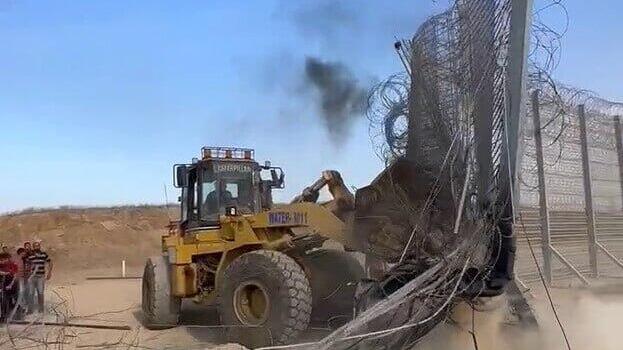
Hamas breaches the border fence on Oct. 7
To ensure the changes take root throughout the organization, Military Intelligence has established several new institutional anchors, including a basic intelligence department and a centralized training department. It has also expanded its intelligence academy as a training center for officers from major through colonel and broadened its study and research of Islam and Arab culture. At the same time, Military Intelligence is in the midst of a strategic relocation to southern Israel and has established a new technological unit dedicated to collecting and processing unstructured information using artificial intelligence and advanced data technologies.
In the south: a new barrier above and below ground
For the IDF Southern Command, the lessons of Oct. 7 were translated into engineering, operational and tactical changes on the ground. During the fighting, four Hamas branch chiefs, 17 brigade commanders, about 60 battalion commanders and roughly 300 company commanders were killed, according to the IDF. As part of the overhaul of the defensive concept for communities along the Gaza border, security infrastructure was upgraded and new fences, lighting systems, surveillance equipment and radars were deployed. Civilian rapid-response teams were also equipped with weapons, protective vests, drones and the Netz application for encrypted information sharing.
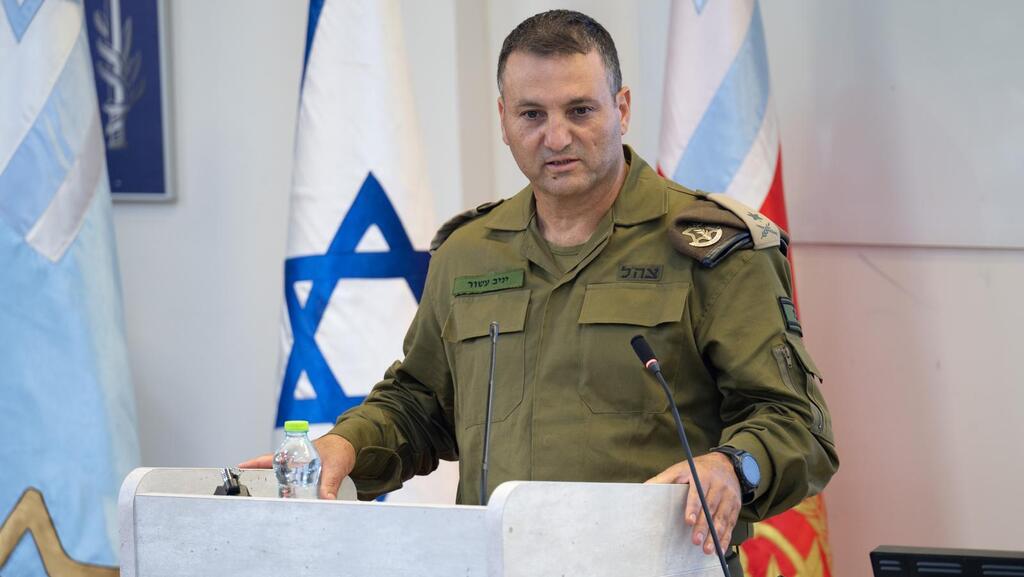
Southern Command chief Maj. Gen. Yaniv Asor at a conference presenting lessons from Oct. 7
(Photo: IDF)
Armored ambulances were positioned at readiness points, while the training program known as Shield 46 was expanded to eight complex exercises each year. Additional command posts were established to increase the military’s presence in the area. To create a continuous defensive and offensive posture, the IDF also established about 40 new posts overlooking key terrain and deployed a new physical and technologically advanced barrier, both above and below ground, to reduce the enemy’s ability to infiltrate.
The operational effort has included the clearing and destruction of hundreds of terrorist sites, launch pits and weapons depots. Since the October 2025 ceasefire, more than 4,000 systematic drilling operations have been conducted in an effort to locate underground infrastructure.
Despite this, Hamas remains on its feet. With money it collects from aid trucks it takes control of, the organization is still able to maintain a degree of governance. Israeli assessments say Hamas, which still possesses weapons, is using the current period to rebuild manpower and stockpile arms, including by transferring weapons into civilian areas. Israel believes the terrorist group is operating on the assumption that until elections in Israel and the United States, Israel’s freedom of action will be constrained and it will not receive a green light for a broad operation in Gaza.
In the Air Force: adapting to a multi-front threat and cutting response times
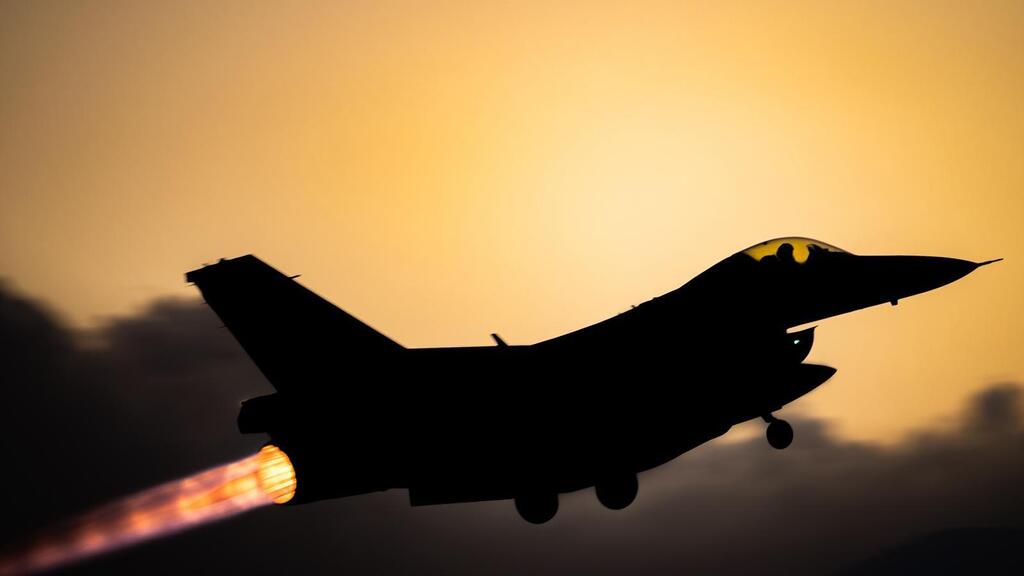
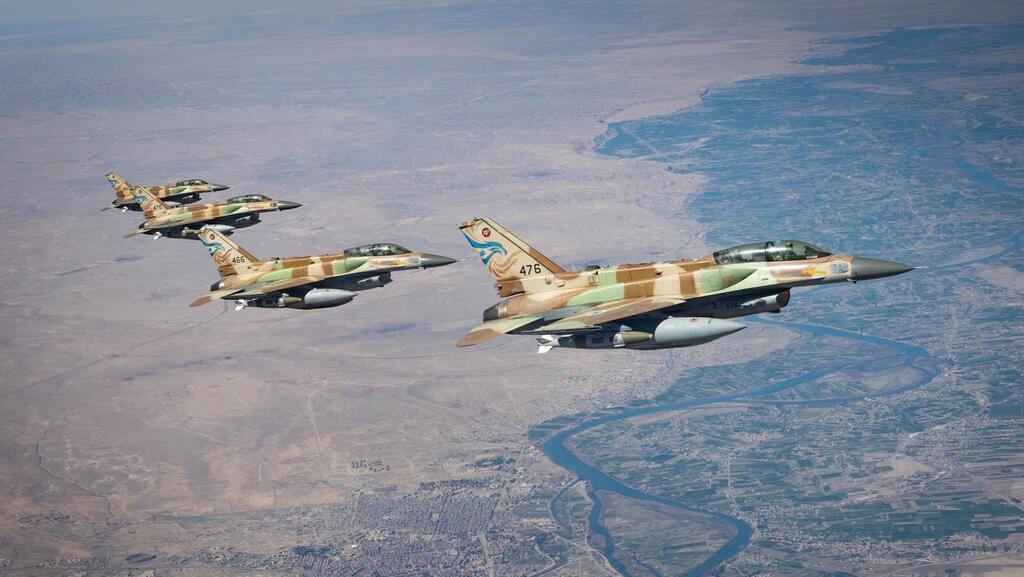
The Israeli Air Force, which faced fierce criticism over its absence during the first hours of the Oct. 7 attack, has also undergone extensive changes. The Air Force has adapted its operational model to a multi-front threat environment, delegating significant authority to commanders in the field while increasing the number of forces held at immediate readiness by up to fourfold overall and by up to sixfold in some units.
(Photo: IDF)
To strengthen coordination with ground forces, a new framework for border and joint operations was established, alongside the creation of target banks and additional joint exercises. As part of the new deployment, the 190th Attack Helicopter Squadron, known as the Magic Touch Squadron, was transferred to Ramat David Air Base in northern Israel to shorten response times on the northern front.
In response to the threat from unmanned aerial vehicles and drones, hundreds of new detection systems and radars have been deployed, while dedicated security units have been created within the regional commands. Dedicated defense battalions have also been established at Air Force bases, alongside the Arad unit, part of Wing 7, a combat unit designed to intervene rapidly against ground and aerial threats to Air Force assets. To ensure that the lessons are incorporated into future work plans, the Air Force established a dedicated directorate led by a reserve brigadier general who had served on the command investigation team.
(Photo: IDF)
The multi-front threat was reflected in the unprecedented volume of fire directed at Israel during the war. According to the IDF, about 10,200 launches came from the Gaza Strip, roughly 20,000 from Lebanon, about 1,200 from Iran, some 50 from Syria and another 90 from Yemen. The reserve system also paid a heavy price during the fighting: About 70% of the fallen were killed in operational circumstances, while about 65,000 injured reservists required treatment, of whom roughly 28,000 have already returned to active service.
In the West Bank, more than 3,800 weapons have been located and confiscated since the start of the war, according to the IDF. About 45,000 wanted individuals have been arrested, including arms dealers and weapons holders, terrorists allegedly preparing imminent attacks, operatives and others. More than 46 million shekels intended for terrorism were also seized.
Reserve system could face collapse
The IDF’s decision to defend Israel’s borders from deep inside enemy territory rather than along the physical frontier has come at a steep cost and has pushed the reserve system toward the edge. Despite repeated warnings from senior defense officials, political leaders and the government continue to avoid advancing a recruitment law that would meaningfully expand the pool of combat troops.
It is a leadership failure that is pushing the reserve system toward physical and psychological collapse, raising serious doubts over whether it can continue carrying the burden in its current form. Senior IDF officials have warned that if additional segments of the population are not recruited and the burden is not shared more broadly, the reserve system could reach its breaking point, potentially triggering a crisis of confidence with the military. The IDF could soon be forced to thin its forces along several borders to an unusual degree because of the shortage of combat personnel.
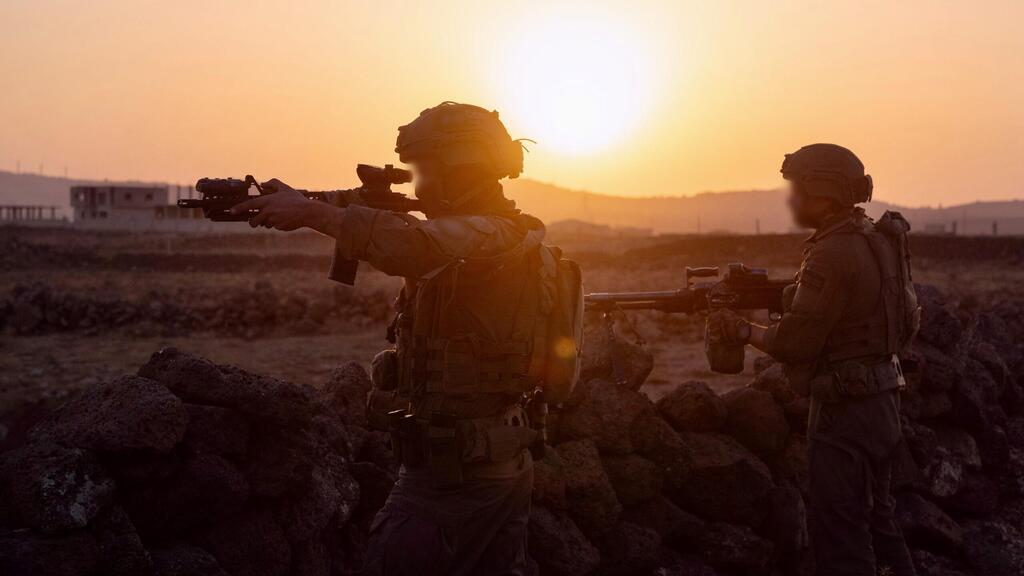
The heavy price is being paid by the reserve force
(Photo: IDF)
The scale of the problem can be seen in the increasingly limited manpower pool the military is trying to stretch across multiple fronts. Over the past three years, the IDF has been forced to improvise repeatedly, expanding the reserve system by an unprecedented 36%. Alongside the creation of new brigades, divisions and defense battalions, the military has pushed its existing manpower to the limit.
In August 2024, a special order returned about 22,000 reservists from exemption status. A series of concentrated recruitment and screening days in 2025 and 2026 brought in thousands more, including 14,016 people during the first interview day in 2025 and another 1,655 later, followed by 5,757 during the first interview day in 2026 and another 484 later. Another recruitment drive is planned for December 2026.
Overall, the number of personnel assigned to reserve duty has risen by 38%. But this is not a sustainable manpower plan. It amounts to life support for a relatively small segment of the population. The average number of reserve-duty days per combat soldier has risen to between 80 and 100 days a year, nearly double the routine planning assumption of about 55 days.
Money won't solve the strain
(Photo: IDF)
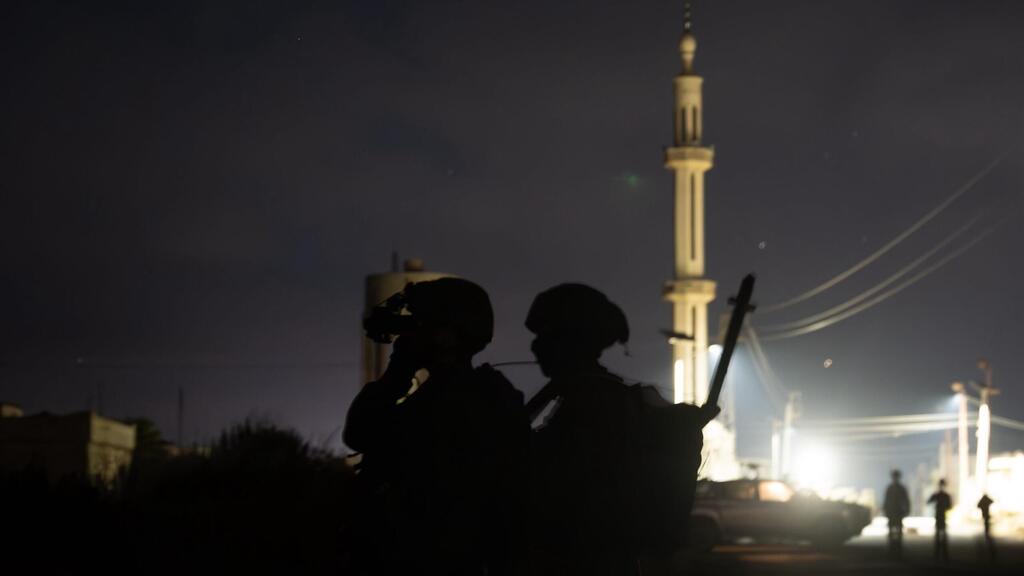
The IDF and the government have expanded financial, psychological and academic assistance through programs that provide grants, vouchers, tuition subsidies and housing discounts. But no financial grant or assistance program can replace the combat soldiers required at the front. As long as the political system prioritizes coalition considerations over a more equal distribution of the burden, money will not solve the exhaustion consuming the reserve force.
Decision-makers must recognize that without a genuine recruitment law that brings new combat personnel into the system, the reserve force could effectively declare bankruptcy, and the security price would be unbearable.