

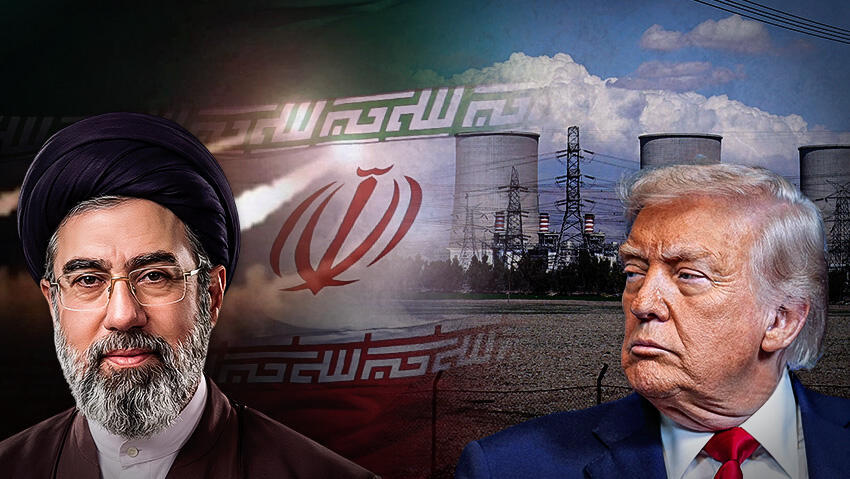
Iran has considered striking U.S. military targets in Europe if President Donald Trump escalates the war, the Financial Times reported Wednesday.
Two people close to the Iranian regime told the newspaper that Iranian forces had assessed possible attacks on U.S. assets in southeastern Europe, including Bulgaria, which last month approved the use of its Bezmer air base for American refueling aircraft.
One of the sources said Cyprus was also among the potential targets for retaliation in the event of renewed U.S. attacks. A British air base there was struck by a drone in March.
The sources also said Iranian forces had examined the possibility of striking subsea fiber-optic cables in the Strait of Hormuz if the conflict escalates.
According to the FT, Tehran has been weighing ways to broaden the confrontation beyond the Middle East if Washington intensifies military action.
One regime insider said Iran was preparing options to expand the conflict if Trump followed through on previous threats to attack Iranian infrastructure. Another said Tehran would place “no limits” on its response.
“Should the US go too far, Iran will defend itself at any price, go beyond the region and hit Europe too,” the source told the newspaper.
The report comes as Trump has shifted away from weeks of efforts to advance negotiations with Tehran.
CNN reported Tuesday that Trump ordered his senior envoys to halt talks with Iran, according to a U.S. official. A person familiar with the matter said White House officials had also informed political allies that the administration was changing strategy, moving from an effort to “hammer Iran ASAP” to seeking to “strangle them” over time.
Trump had repeatedly said negotiations were progressing well and suggested a new agreement could be close. On Tuesday, however, he wrote on Truth Social that there were “no talks or conversations going on, or scheduled” with Iran.
He also said the U.S. naval blockade remained in place.
The Strait of Hormuz remains a central point of friction. Traffic through the waterway is still sharply reduced, while ships continue to face Iranian threats.
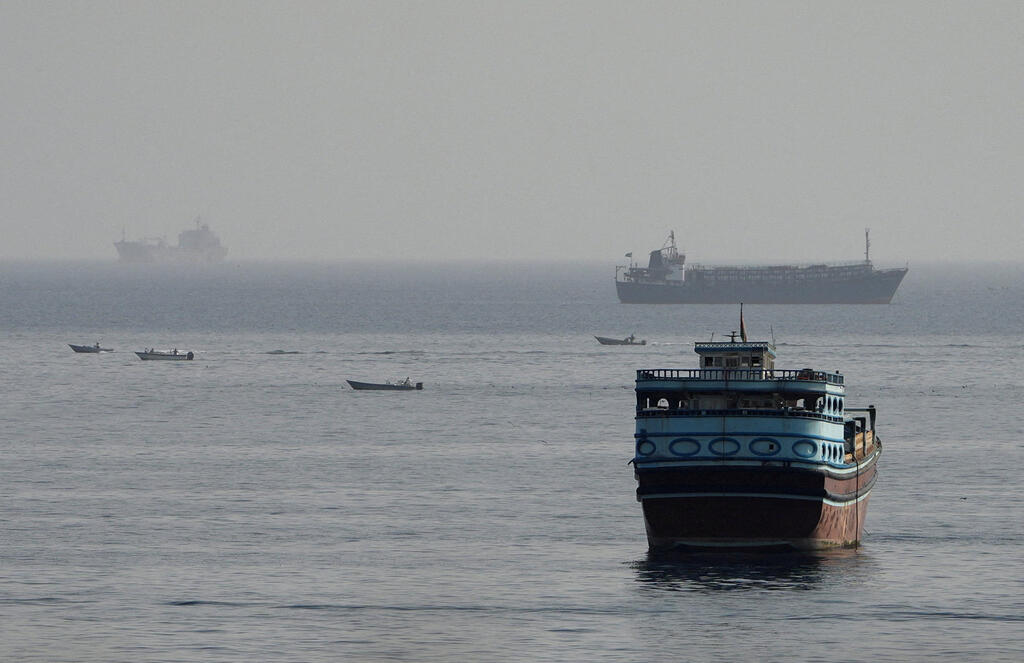
Strait of Hormuz
(Photo: REUTERS/Stringer)
Iranian media reported Wednesday that the Amara oil tanker, linked to the United Arab Emirates and detained by the Revolutionary Guards while crossing Hormuz, had changed course toward Bandar Abbas.
CNN reported that more than 80% of vessels crossing the strait over the past two weeks used an Omani shipping route approved by the United Nations and strongly opposed by Iran.
Trump has also grown frustrated with negotiations between Iran and Oman over how traffic through the strait would be managed. White House officials fear the emerging framework could strengthen Iran’s control over the waterway.
Washington is expected to impose additional sanctions on Iran while maintaining the blockade.
Trump and his advisers believe sustained economic pressure will eventually force Tehran to accept U.S. terms for ending the war. Iranian officials, by contrast, appear to believe Trump is under growing political pressure to pull back.
The FT report adds a new dimension to that standoff: Tehran is not only preparing for renewed conflict in the Gulf, but also examining options that could extend the confrontation to U.S. military assets in Europe and critical infrastructure beneath the Strait of Hormuz.