

Iranian state media and supporters of the regime celebrated Sunday the sudden death of U.S. Sen. Lindsey Graham, a close ally of President Donald Trump, one of Israel’s strongest supporters in Congress and a sworn enemy of the Islamic Republic.
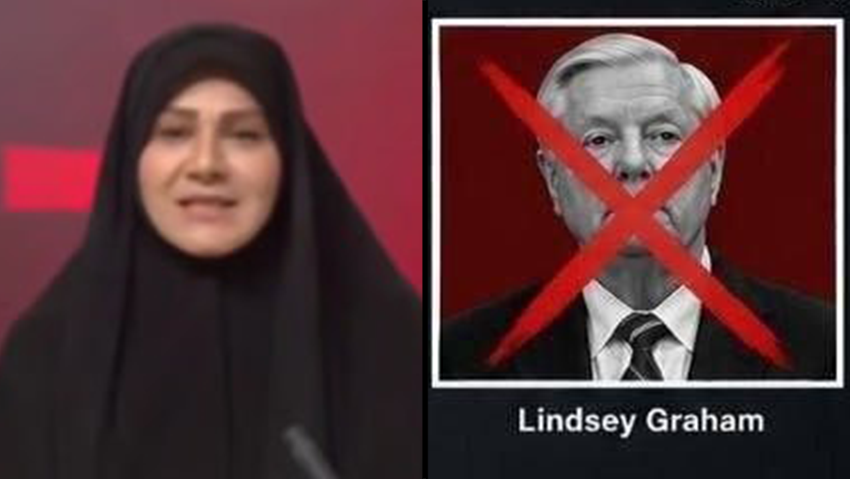
On Iranian state television, a presenter reported Graham’s death with a broad smile and a visibly satisfied expression. Another host said on air: “This news is so sweet that I’m reading it twice.”
Graham, a Republican who represented South Carolina in the Senate for 23 years, died unexpectedly Saturday evening at the age of 71, apparently after suffering cardiac arrest. He had returned shortly before his death from a visit to Ukraine and had been scheduled to appear Sunday on NBC’s “Meet the Press.”
Throughout his career, Graham was one of Washington’s most outspoken supporters of Israel. He viewed Israeli and American security as inseparable, defended Israel against international criticism over the war in Gaza and repeatedly urged tougher action against Iran.
‘The dominoes have begun to fall’
Graham’s death was celebrated by Iranian outlets and social-media accounts aligned with the regime, which had long portrayed him as a leading advocate of military action against Tehran.
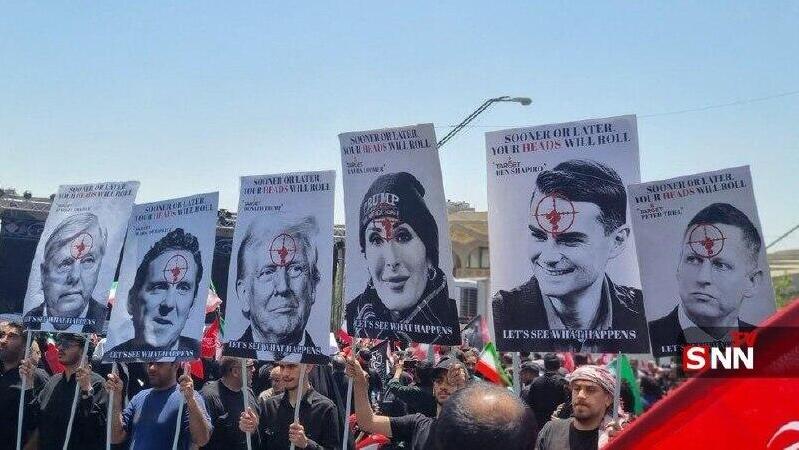
During demonstrations held last week as part of the funeral events for Iran’s slain leader Ali Khamenei, regime supporters carried signs bearing Graham’s image alongside those of Trump and other figures portrayed as future assassination targets.
‘The dominoes have begun to fall’
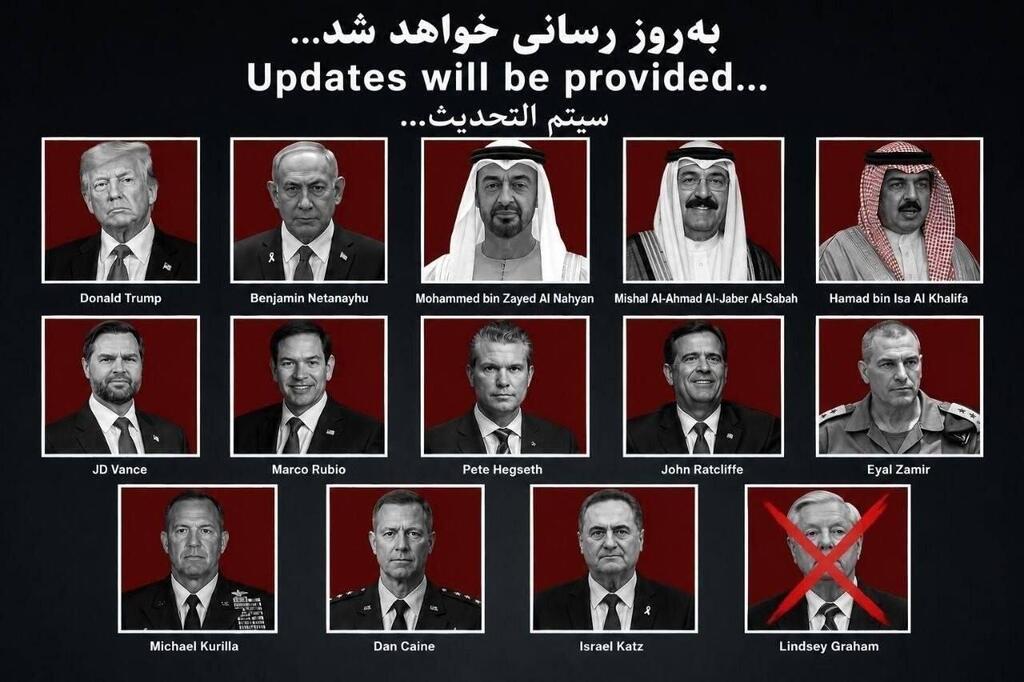
After Graham’s death, pro-regime users shared an updated graphic showing several people allegedly marked for revenge over the February attack on Iran. Graham’s face was the only one crossed out with a red X, suggesting that his removal had been completed. The image carried the words: “We will continue to update.”
Tasnim, an Iranian news agency affiliated with the regime, mocked the late senator in a report headlined: “Graham dies, taking the destruction of Iran to the grave.”
The outlet described him as one of Washington’s most prominent advocates of war and intervention in other countries. It noted that during anti-regime protests in January, Graham called for military action against the Islamic Republic and repeatedly argued that if Iran expanded uranium enrichment, the United States should strike Iranian oil facilities and refineries to cripple its economy.
Tasnim also described Graham as an architect of congressional sanctions that penalized European and Asian companies for doing business with Iran.
‘Before he went to hell’
Regime supporters also celebrated Graham’s death on social media.
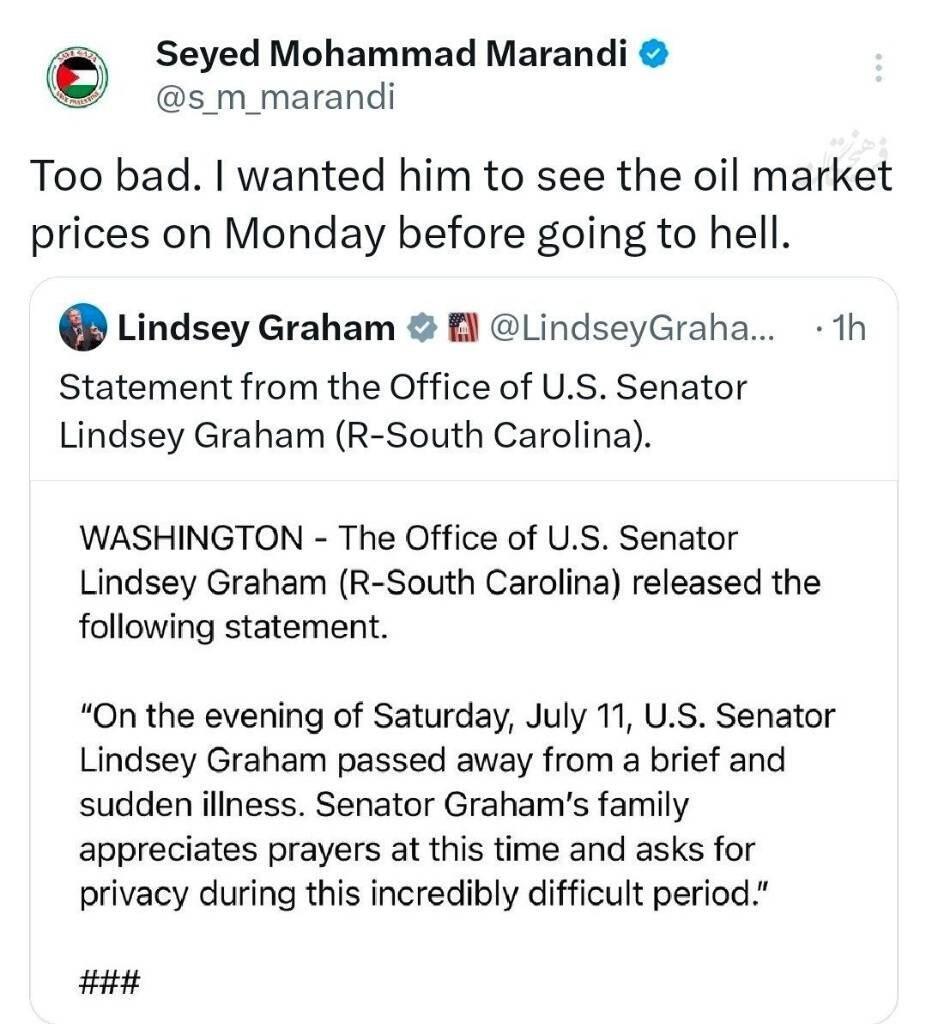
Seyed Mohammad Marandi, a professor at the University of Tehran, shared the announcement from Graham’s office and wrote: “It’s a shame. I wanted him to see oil prices on Monday before he went to hell.”
Marandi was referring to the expected rise in energy prices when markets reopen following Iran’s announcement that it was again closing the Strait of Hormuz until further notice.
Other users described Graham’s death as “good news for peace in the Middle East,” citing his hawkish views and support for Israel.
Graham had frequently threatened Iran’s leadership and predicted the regime’s collapse. He was also seen as using his close relationship with Trump to press for U.S. military action against Iran and strong American support for Israeli operations targeting Tehran.