


U.S. President Donald Trump blasted Iran’s response to Washington’s proposals for ending the war overnight Monday, calling Tehran’s counterproposal “totally unacceptable.” Iranian officials fired back, saying “Iran does not draft plans to satisfy the president of the United States.”
Here is what is known so far, the gaps between the sides and the statements made in Washington and Tehran.
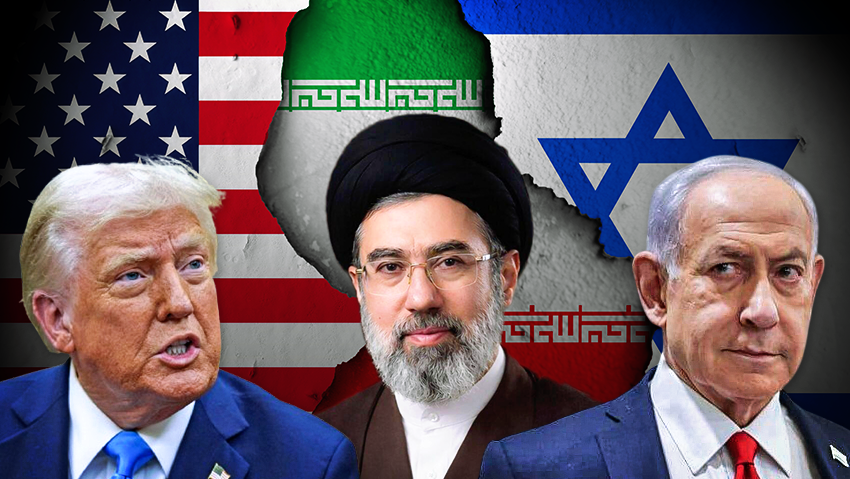
What does the Iranian proposal include?
The full details of Iran’s response have not yet been disclosed. However, Lebanon’s Al-Mayadeen network, which is affiliated with Hezbollah, cited diplomatic sources as saying the proposal includes several Iranian demands:
- An end to the U.S. blockade and unrestricted oil exports.
- A ceasefire in Lebanon, which Iran considers a red line.
- An immediate end to the war upon announcement of the agreement.
- The removal of U.S. sanctions and the release of frozen Iranian funds.
- The lifting of restrictions related to Iranian oil sales.
- Iranian control over the Strait of Hormuz.
Sources close to the negotiations told the Qatari newspaper The New Arab that the Iranian response, which was sent to the United States through Pakistan, included 14 points.
The sources added that Tehran showed flexibility in its response and agreed to discuss the nuclear issue within 30 days, something it had previously refused to address, insisting instead on postponing the matter to later stages.
What do the Americans want?
According to Western reports, the United States is demanding that Iran hand over all uranium enriched to 60% purity and commit not to enrich uranium for the next 20 years.
Iran is also being asked to dismantle its nuclear facilities, with the goal of ensuring that the Islamic Republic cannot develop nuclear weapons.
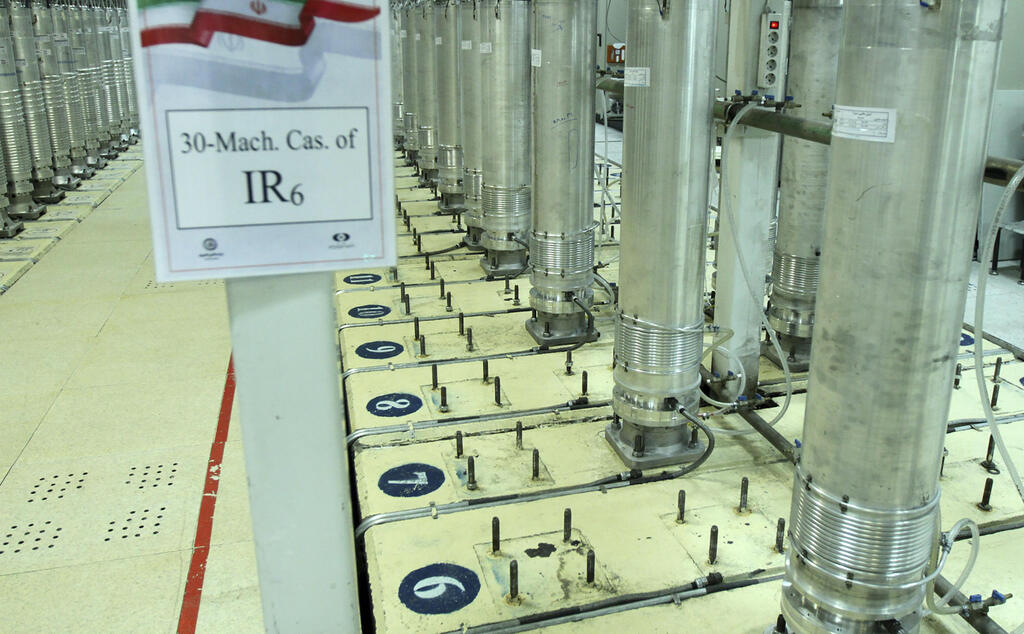
The nulcear facility at Natanz, Iran
(Photo: AP)
Meanwhile, Washington is demanding that Iran significantly reduce its ballistic missile stockpile and end support for its regional proxies, especially Hamas and Hezbollah.
On the issue of the Strait of Hormuz, Washington is demanding the immediate reopening of the strategic energy chokepoint to commercial traffic without Iranian fees or coordination requirements.
What is each side saying?
Trump posted a strongly worded message overnight Monday on Truth Social, rejecting the Iranian proposal outright. “I have just read the response from Iran’s so-called ‘Representatives,’” Trump wrote. “I don’t like it — TOTALLY UNACCEPTABLE!”
Republican Sen. Lindsey Graham, a political ally of Trump, also signaled that American patience is running out. “I appreciate President Trump’s earnest efforts to seek a diplomatic solution to change the behavior of the Iranian terrorist regime,” Graham wrote on X.
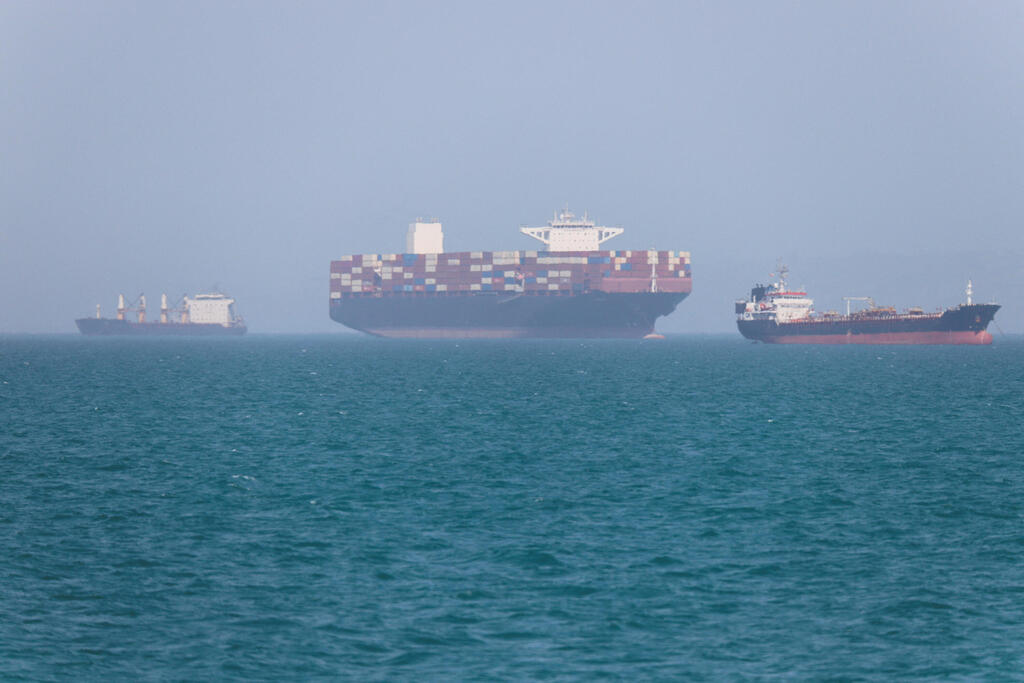
The Strait of Hormuz
(Photo: Amirhosein Khorgooi/ISNA/WANA (West Asia News Agency) via REUTERS)
“However, between their constant attacks on international shipping, the persistent attacks on our Middle Eastern allies and now a totally unacceptable response to America’s diplomatic proposal, it is in my view, time to consider changing course. Project Freedom Plus sounds pretty good right about now.”
Project Freedom Plus refers to a proposed operation aimed at freeing ships stranded in the Strait of Hormuz.
Iranian officials, meanwhile, responded through the state-affiliated Tasnim news agency, saying: “Trump’s response changes nothing at all. If he is dissatisfied, that is even better. No one in Iran drafts plans to satisfy Trump. The negotiating team drafts them only for the Iranian people.”
Press TV, another Iranian state-affiliated outlet, later claimed the U.S. initiative had been rejected because it “means Tehran’s surrender to Trump’s excessive demands.”
Where is this headed?
Put simply, it remains unclear, and there is no certainty that Israel and the United States will return to fighting.
Although recent reports have suggested Prime Minister Benjamin Netanyahu wants to resume military action to force additional concessions from Tehran, the decision ultimately rests with Trump, as U.S. Secretary of War Pete Hegseth has also indicated.
Throughout his years in the White House, Trump has repeatedly demonstrated an unpredictable approach and a willingness to make unconventional decisions.
One option available to him would be to continue the U.S. naval blockade on Iran for months without renewing military strikes. Such a move, however, could trigger a dramatic rise in oil prices. Trump could also declare victory and withdraw the substantial American military buildup in the Middle East. Another possibility would be reviving Project Freedom
Meanwhile, a return to fighting is still on the table, whether through limited strikes or broader attacks on infrastructure such as power stations and bridges, as Trump previously threatened in a post that “a whole civilization will die,” referring to Iran.
Trump and Netanyahu spoke Sunday evening, though neither the White House nor the Prime Minister’s Office released details of the conversation.
Trump is expected to visit Beijing on Wednesday and, according to The Wall Street Journal, plans to ask Chinese President Xi Jinping to help mediate between the sides in an effort to reach an agreement.
Prime Minister Benjamin Netanyahu speaks with CBS’ 60 Minutes
(Video: CBS)


Asked in an interview with CBS’ 60 Minutes how enriched uranium would be removed from Iran, Netanyahu said the best way would be to “go in and you take it out.”
Addressing the possibility of using special forces, Netanyahu declined to discuss military plans in detail but shared part of his conversation with Trump. “What President Trump has said to me, ‘I want to go in there,’” Netanyahu said, adding that such an operation was physically possible but that the preferred option would be to carry it out as part of an agreement.