

As Israeli warplanes struck Beirut’s southern suburbs last March and residents fled in panic, a man detained in a Hezbollah cell saw his chance to escape.
He slipped out amid the chaos and made his way to Baabda, the green, upscale diplomatic district overlooking the Lebanese capital, where he disappeared behind the gates of the Ukrainian Embassy.
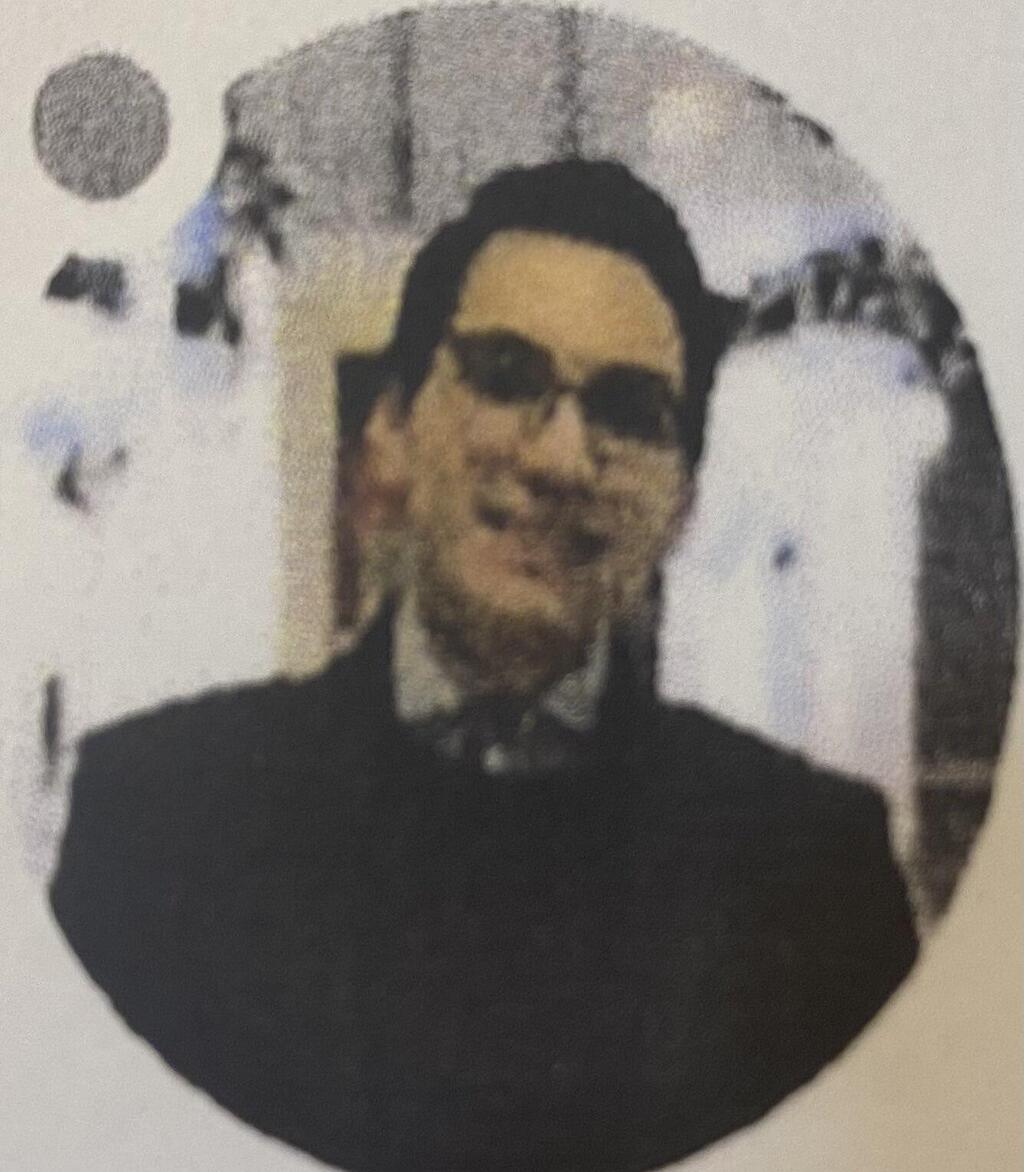
His whereabouts remain unclear, according to The Associated Press, in a case that has become part of a broader intelligence battle as Hezbollah tries to identify alleged Israeli operatives who penetrated the terror group.
Lebanese officials identified the man as Khaled al-Aydi, a Palestinian refugee from Syria who also holds Ukrainian citizenship. He had been detained by Hezbollah in Beirut’s southern suburbs and accused by Lebanese authorities of involvement in an alleged Israeli intelligence plot to carry out bombings and assassinations.
Three Lebanese judicial officials, two senior security officials and a senior Hezbollah political official provided details of the case to AP on condition of anonymity because they were not authorized to discuss it publicly.
The case could embarrass Lebanon’s government, which has largely stayed silent. If evidence emerges that al-Aydi left the country with official help, it could worsen tensions with Hezbollah’s Shiite support base at a time when the Lebanese government is already under pressure over contacts with Israel.
According to a Lebanese government document obtained by AP, the Ukrainian Embassy asked Lebanese authorities in March to help al-Aydi leave Lebanon after he escaped Hezbollah custody. Lebanon’s General Security agency refused, saying an arrest warrant had been issued against him in September 2025.
Israel’s Mossad declined to comment. Ukraine’s Foreign Ministry also declined comment.
A Ukrainian official familiar with the case told AP that al-Aydi is not inside the Ukrainian Embassy or its compound in Lebanon, but would not say where he is or whether Ukraine helped him escape.
Israel has long maintained extensive intelligence networks in Lebanon, using both human sources and advanced surveillance. Those networks have helped Israel strike Hezbollah commanders, weapons sites and senior leadership figures during the war.
Since the 2024 Israel-Hezbollah war, Hezbollah and Lebanese authorities have stepped up efforts against alleged spy networks. Lebanese judicial officials said about 50 people have been convicted and are serving sentences, while others remain under investigation.
Al-Aydi stands out because he does not fit the usual profile of alleged Hezbollah-linked spies. Many previous cases involved current or former Hezbollah members, or people connected to the group’s support base. Al-Aydi was an outsider, with Ukrainian citizenship through his mother, according to the Lebanese document cited by AP.
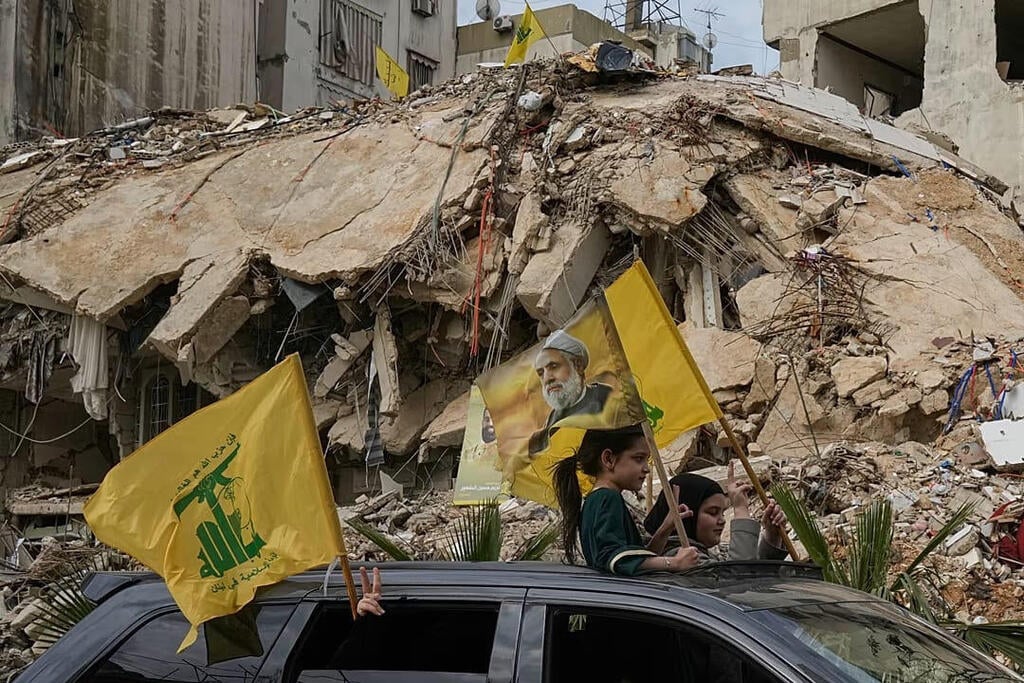
Lebanese authorities said in October that they had broken up a network allegedly planning bombings and assassinations in Lebanon, including an attack linked to events marking one year since the death of Hezbollah leader Hassan Nasrallah. Security and judicial officials said investigators found a motorcycle rigged with explosives and a car modified to carry explosives.
Al-Aydi and six Lebanese suspects were charged. One of the Lebanese suspects also escaped, while the others remain jailed pending trial. Lebanese officials said al-Aydi was the only one held directly by Hezbollah, likely because the group viewed him as especially valuable.
A Lebanese military court alleges the plot was directed by a Mossad handler based in Germany who communicated with operatives through encrypted apps. A court summons sent to the Ukrainian Embassy went unanswered, according to AP.
Hezbollah official Wafiq Safa said there had been an unsuccessful attempt to smuggle al-Aydi from Lebanon into Syria, but did not provide details.
Two senior Lebanese security officials said al-Aydi is believed to have left Lebanon. It remains unclear whether he crossed into Syria.
The disappearance comes as relations between Hezbollah and the Lebanese government are unusually tense. Beirut has been angered by Hezbollah’s decision to drag Lebanon into another confrontation with Israel, while Hezbollah opposes the government’s willingness to discuss a ceasefire and broader security understandings with Israel.
Mohanad Hage Ali, a senior fellow at the Malcolm H. Kerr Carnegie Middle East Center in Beirut, told AP that the case could place the Lebanese state in a difficult position. If authorities prevented al-Aydi from leaving, the U.S. and Ukraine could apply pressure for his release. If Lebanon is seen as having allowed him to escape, Hezbollah could use the issue to inflame public anger among its supporters.