


At the start of the month, Iran’s foreign minister Abbas Araghchi said strikes on Tehran “have no impact on our ability to conduct war,” pointing to what he described as a “decentralized mosaic defense” that allows Iran to determine when and how the conflict ends.
The strategy, known as DMD, is built on the principle that even if senior leadership is eliminated, the system continues to function. The concept was introduced in 2005 by former Revolutionary Guard commander Mohammad Ali Jafari and is based on lessons Iran drew from U.S. military campaigns in Iraq, Afghanistan and the Balkans, according to a report in the Daily Mail.
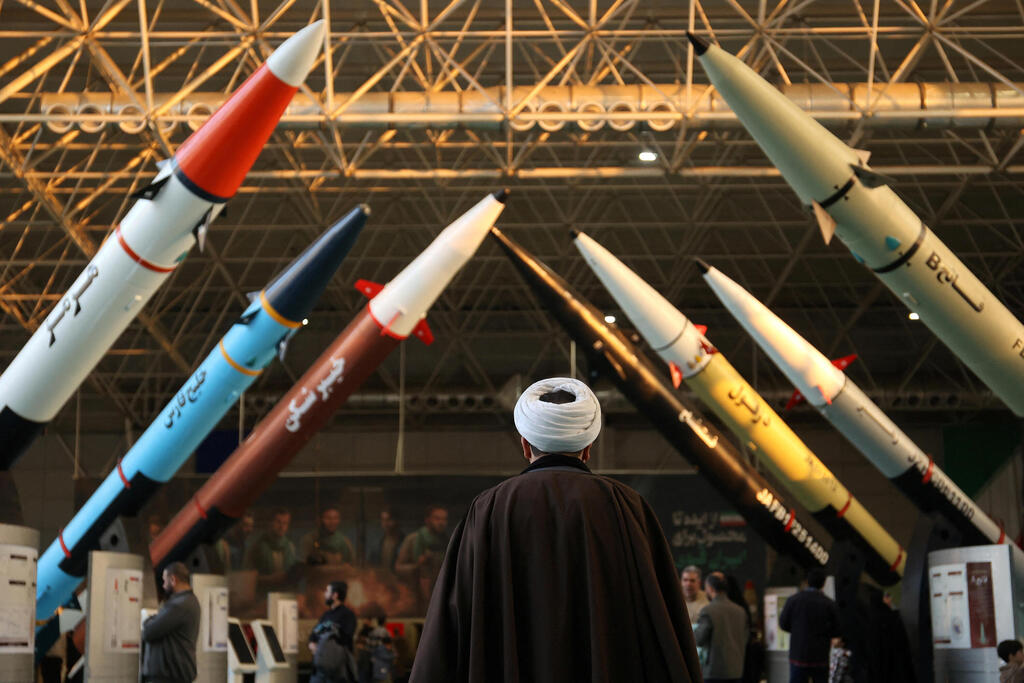
According to the report, Iran concluded that highly centralized systems collapse quickly once leadership is removed. In response, it built a decentralized structure in which authority is spread across multiple units.
Under this model, the Revolutionary Guards are divided into regional commands across the country, each operating as a semi-independent force with its own intelligence and operational capabilities. Commanders are able to launch missiles, drones and other attacks without waiting for approval from senior leadership.
Iran also dispersed key military infrastructure, including parts of its nuclear program, across multiple locations, some of them deep underground, in an effort to prevent a single strike from crippling its capabilities.
The strategy has been put to the test during the current conflict, as Iran continues to operate despite sustained strikes on military targets and senior figures, the report said.
At the same time, officials note that decentralization carries risks, as independent decision-making by local commanders could lead to miscalculations or unintended escalation.
(Photo: ATTA KENARE / AFP)
Iran has also relied on large volumes of relatively low-cost missiles and drones, aiming to stretch air defense systems and increase the economic burden on its adversaries. Disruptions to shipping routes, including threats in the Strait of Hormuz, are seen as part of a broader effort to apply pressure beyond the battlefield.
Israeli officials say the approach has allowed Iran to continue fighting but has not prevented significant damage. They point to growing strain within the system and challenges in maintaining weapons production under ongoing strikes.
“It’s not a matter of weeks,” Israeli officials said, describing a prolonged campaign focused on degrading key components of Iran’s military and strategic infrastructure rather than bringing about an immediate collapse.
According to those officials, the effort is centered on targeting what they describe as the regime’s “centers of gravity,” including missile systems, military industries, underground facilities and nuclear sites, with the aim of weakening Iran over time.