

The Finance Ministry pushed back Sunday against warnings from senior defense officials that the military is nearing a financial breaking point, accusing the defense establishment of mismanaging its budget and making misleading claims about billions of shekels in additional funding.
A senior Finance Ministry official said the military was far from the “edge of the abyss” described by defense officials and warned that meeting the defense establishment’s demands could eventually push military spending to nearly one-third of Israel’s entire state budget.
Gallery
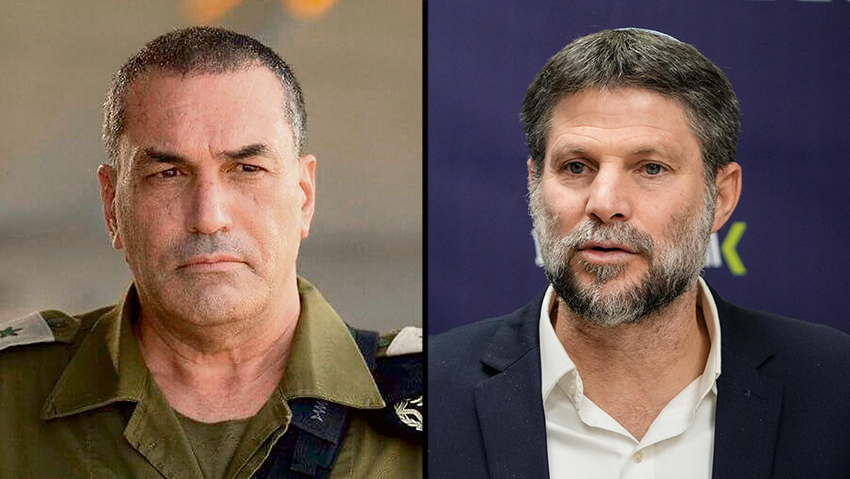
IDF Chief of Staff Lt. Gen. Eyal Zamir, Finance Minister Bezalel Smotrich
(Photo: IDF, Shalev Shalom)
“That would be a situation unprecedented anywhere in the world,” the official said.
The unusually sharp exchange comes as Israel continues to face security threats on multiple fronts and as the government wrestles with the mounting cost of years of military operations.
Earlier Sunday, defense officials warned that the military faced serious shortages because the Finance Ministry’s Budget Department was blocking the transfer of 15 billion shekels, or about $5.1 billion, in funding that had already been agreed upon.
The warning followed comments last week by IDF Chief of Staff Lt. Gen. Eyal Zamir, who said the Israel Defense Forces was operating with “empty coffers.”
Senior defense officials said the military was now facing acute shortages of Humvees and munitions. They also said major purchases from the United States, including a deal for Apache attack helicopters, had not gone ahead.
Finance Ministry officials rejected the accusation that they were holding up the 15 billion shekels, saying the funding request had been submitted to the Knesset Finance Committee in early August and had been awaiting parliamentary approval since then.
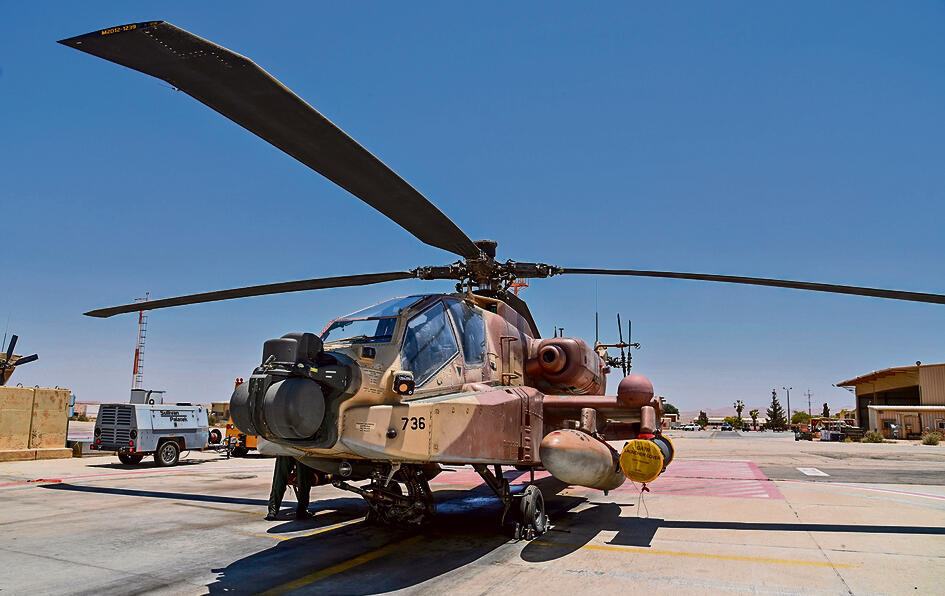
An Apache attack helicopter
(Photo: Herzl Yosef)
“We transferred the budget to the Knesset on Aug. 2, and despite that, the defense establishment prefers to attack us even though it knows it is no longer with us,” Finance Ministry officials said. “We are acting exactly according to the agreements reached by the National Security Council. It is outrageous to say that it is stuck at the Finance Ministry.”
Finance Ministry officials said their department had been fully committed to supporting IDF operations and had financed the military’s activities on all fronts with hundreds of billions of shekels while also working to raise government debt and maintain the functioning of the wider economy.
The ministry’s Budget Department said defense spending had nearly tripled over the past two years. It said all funding approved in the state budget, as well as additional budget agreements, had been transferred in full.
“There is no agreement that the Finance Ministry has failed to honor,” officials said, adding that funding had gone “far beyond the original budget approved by the Knesset.”
A senior Finance Ministry official called on defense leaders to treat the billions of shekels allocated to them each year with greater care to ensure the money was used efficiently and responsibly for national security.
The criticism was also aimed at what Finance Ministry officials described as wasteful spending and benefits distributed without sufficient transparency.
Other senior ministry officials suggested that the defense establishment’s accusation that the money was being held up by the Finance Ministry reflected a lack of understanding of the process for transferring funds and the requirement for parliamentary approval.
“That reflects precisely the defense establishment’s negligent management when it comes to the budget,” the officials said. “They are acting with ingratitude. For three years, we have met every budgetary demand from the military. We have stood at attention and financed this entire costly war, including funding beyond the amount approved by the Knesset in the state budget.”
The officials said the government had been raising large amounts of debt on international markets under challenging conditions to finance military spending.
“All of this is being done to channel that money directly to the defense establishment,” they said. “Instead of recognizing that, they treat us as ‘another front’ simply because we point out failures and wastefulness and shine a spotlight on the fact that they are managing an independent budget contrary to the law.”
Another senior Finance Ministry official said defense leaders should recognize the trade-offs involved in allocating additional billions to the military.
“They should understand that this budget comes from funding for patients in hospitals, the national basket of subsidized medicines, money for struggling populations, road construction and infrastructure,” the official said.
The official accused defense leaders of responding to the government’s willingness to fund the military at the expense of public services, tax cuts and economic growth by promoting claims designed to frighten the public into supporting ever-higher defense spending.
The official warned that the current trajectory could eventually undermine Israel’s ability to finance a future war.
“If the defense establishment’s budgetary conduct does not change and they demand billions more and more, the economy will no longer be able to sustain it,” the official said. “Perhaps in several years we will face a large-scale confrontation, and this time there really will be nowhere to get the money for it.”