

More than 65,000 Palestinians who fled Gaza during the war are waiting to return, as diplomatic efforts intensify to reopen the Rafah border crossing between Egypt and the besieged enclave, officials and sources say.
Following Prime Minister Benjamin Netanyahu’s return from a high-profile visit to the United States, Arab media reported that Israel had agreed in principle to reopen the crossing. While Israeli officials have not confirmed the reports, there is a growing expectation in Jerusalem that a deal is close, amid heavy U.S. pressure.
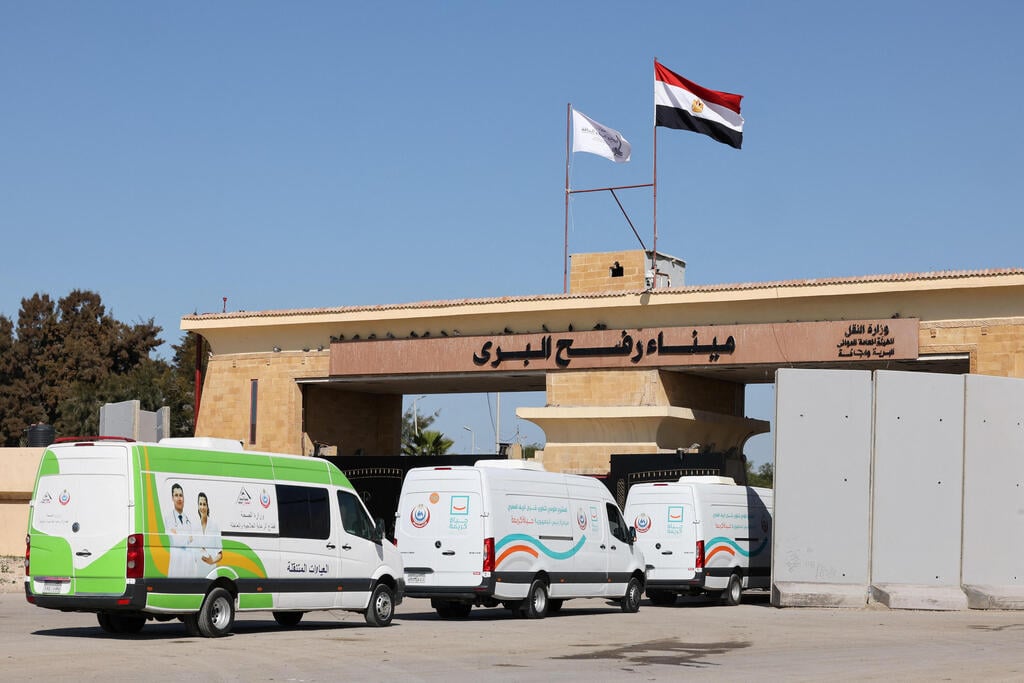
Saudi news outlet Al-Sharq reported Sunday that Egypt informed the Palestinian Authority (PA) that Israel would soon approve the reopening of Rafah in both directions. The report cited meetings held in Cairo between Egyptian officials and a Palestinian delegation.
Palestinian sources familiar with the talks told ynet that political and security discussions in Cairo on Sunday yielded progress on both the future management of Rafah and broader civilian and security arrangements in Gaza.
During the war, approximately 120,000 Palestinians exited Gaza through Rafah, primarily via the Egyptian travel company Ya Hala, with each traveler reportedly paying around $5,000. Lists of returnees are already being compiled, with an estimated 65,000 seeking safe passage back into the territory once the crossing reopens.
Hussein al-Sheikh, deputy chairman of the PA, held talks in Cairo with Egyptian intelligence chief Hassan Rashad and Foreign Minister Badr Abdelatty. Discussions centered on regional coordination, implementing the second phase of the U.S. peace plan, and relevant UN Security Council resolutions.
A senior Palestinian official told ynet that Egypt has conveyed to the PA that the crossing will reopen under the framework of the 2005 disengagement agreement, which saw Israel leave Gaza. The PA has deployed 40 civilian personnel—25 men and 15 women—from Gaza’s crossings authority, who are currently stationed in al-Arish, northern Sinai. They are expected to manage passenger registration, document checks and other civil operations at Rafah.
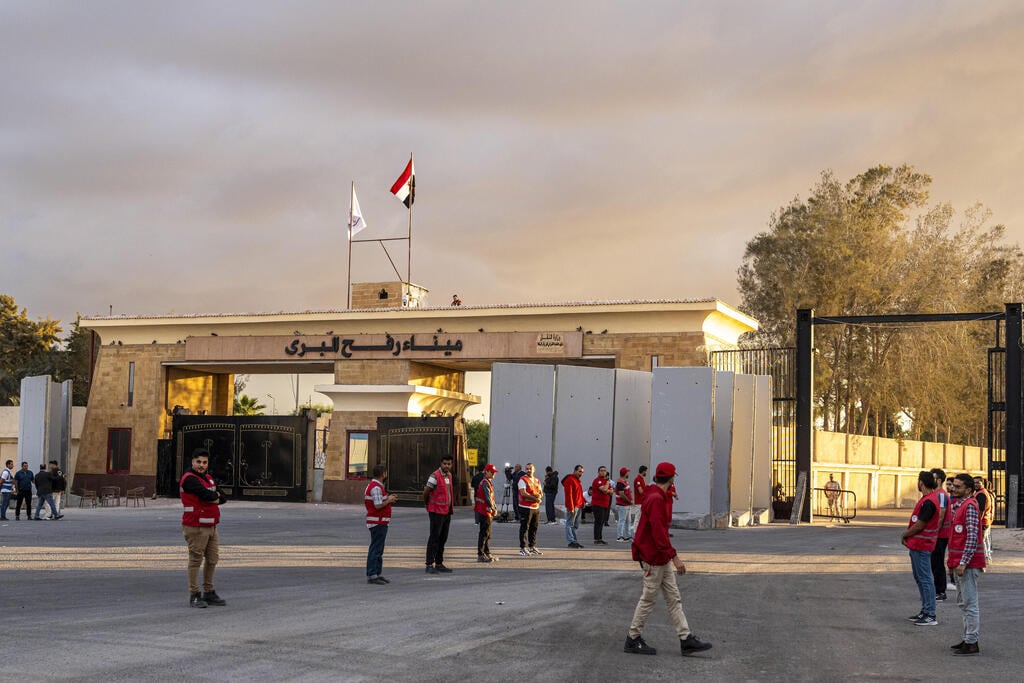
(Photo: Ali Moustafa/Getty Images)
Additionally, between 150 and 160 plainclothes Palestinian security officers will be stationed at the crossing under an agreement designed to avoid any visible armed presence.
However, one major unresolved issue concerns Israeli demands for expanded oversight. Under the 2005 agreement, Israeli monitoring was conducted through remote camera feeds. This time, Israel is pushing for broader oversight mechanisms, though how such arrangements would work, and whether they would delay the reopening, remains unclear.
Israel has also requested involvement in security screenings for returnees, a point of contention that could further slow implementation.
Egypt, for its part, insists the crossing can only reopen if it operates in both directions and is coordinated multilaterally. Cairo has warned against unilateral moves.
At Sunday’s Cabinet meeting, Netanyahu said he had returned from a “historic” summit with U.S. President Donald Trump, which he called “very important.” Referring to Gaza, the prime minister emphasized Trump’s position: “The necessary condition is that Hamas be disarmed. There is no alternative,” he said, citing the first phase of the U.S. administration’s 20-point plan. “He made no concession and showed no flexibility on the issue.”