

U.S. President Donald Trump will set a red line on how long to give Hamas to accept his 20-point plan to end the war in Gaza, the White House said Thursday, as both Israel and Hamas weigh the proposal amid intense regional diplomacy.
White House spokeswoman Karoline Leavitt told Fox News that Trump is prepared to draw a line on Hamas’ response time. “This is an acceptable plan, and we hope and expect Hamas should accept this plan so we can move forward,” she said. The administration, she added, is engaged in “sensitive conversations” and leaving further statements to the president and his envoy, Steve Witkoff.
Trump: We're only waiting for Hamas
(Video: C-SPAN)


Trump unveiled the plan Tuesday, pledging that Israel had already signed off and that all hostages held by Hamas would be released within 72 hours in exchange for 250 Palestinians serving life sentences in Israeli prisons. The framework also calls for a staged Israeli withdrawal from Gaza, the disarmament of Hamas, and the introduction of a transitional governing body overseen by an international force.
Hamas debates response
Hamas has yet to issue an official reply, though officials told international media that internal discussions are underway. A source close to the group told AFP it would need “two to three days at most” to respond, with key points of contention including the demand to disarm, the future of its officials in Gaza, and guarantees of a full Israeli withdrawal.
Reporting by the BBC said Izz al-Din Haddad, Hamas’ top commander inside Gaza, told mediators he rejects the plan outright, warning it was designed to “finish Hamas” whether the group accepts it or not. Still, some Hamas leaders based in Qatar are said to be more open to a deal with modifications, though they hold little sway over the hostages in Gaza.
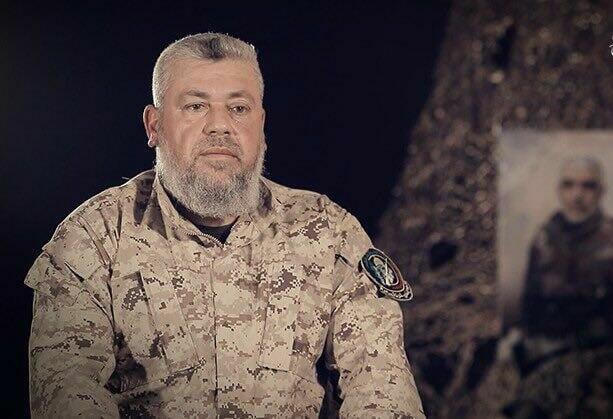
Lebanon’s Hezbollah-linked daily Al-Akhbar reported that Hamas leaders are especially focused on clauses regarding the international force, demilitarization, Israel’s withdrawal map, reforms to the Palestinian Authority, and proposals for interfaith dialogue. Hamas views the deployment of international forces as “de facto reoccupation” and has demanded clarity on their identity, size, powers and areas of operation. The group also rejects what it calls “political blackmail” tied to Palestinian Authority reform and opposes interfaith dialogue as religious “normalization.”
Analysts note divisions within Hamas. Some figures support approving the plan under U.S. guarantees that Israel will uphold the terms, while others insist on major revisions, particularly on disarmament and the expulsion of Hamas officials. A Palestinian familiar with the talks told Reuters, “Acceptance of the plan is a disaster, rejection is also a disaster — these are only bitter choices.”
Saudi daily Asharq Al-Awsat reported that even Haddad signaled he wanted to respond “positively,” though previous gestures of openness have often collapsed in the absence of agreement with Israel.
Gazans voice frustration
As Hamas deliberates, many civilians in Gaza have pleaded with the group to accept. The New York Times quoted Mahmoud Bulbul, a construction worker in Gaza City, saying, “We’ve been through hell already. Hamas must agree to this offer.” Another resident, Mahmoud Abu Matar of Khan Younis, said he hopes Washington will force Hamas’ hand: “My wish is that Trump doesn’t give either side a choice.”
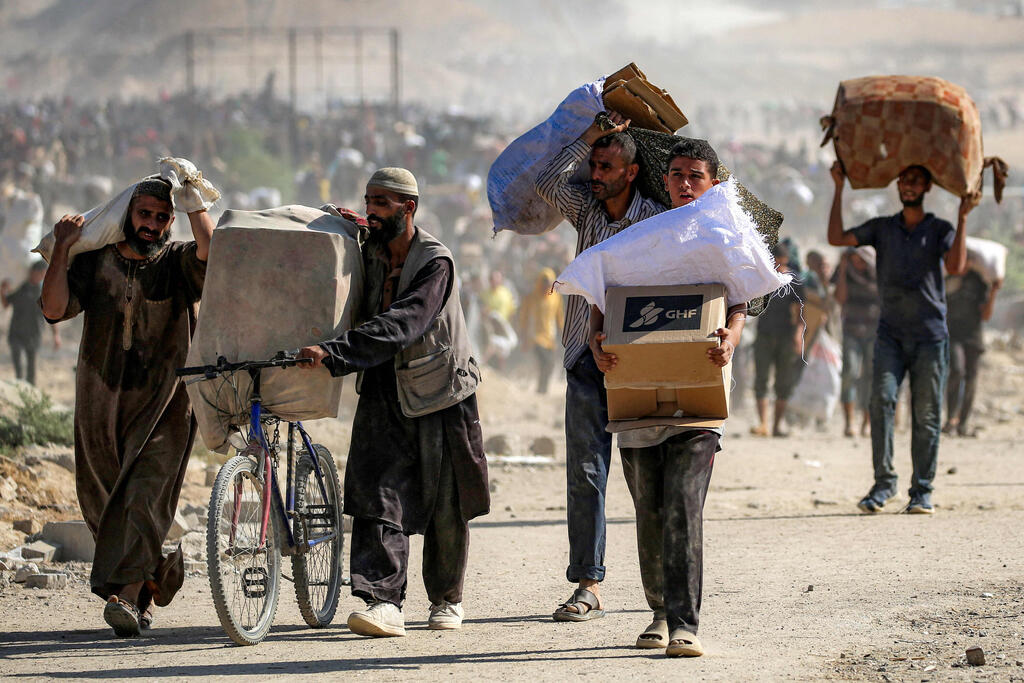
(Pghoto: Eyad BABA / AFP)
Several Gazans described fleeing their homes repeatedly during the fighting and expressed anger at Hamas leaders abroad making decisions from “air-conditioned rooms.”
Trump spoke by phone Wednesday with Qatari Emir Sheikh Tamim bin Hamad Al Thani about the plan, which has also drawn in mediators from Egypt and Turkey. Prime Minister Benjamin Netanyahu has publicly endorsed the proposal, saying it achieves Israel’s war aims.
Despite the uncertainty, U.S. officials stress the urgency. Trump initially said he would give Hamas three to four days to respond. The White House now says that timeline remains at the president’s discretion.