

The Democrats party concluded its primary election Monday evening with more than 97,000 members casting ballots, representing 86.2% of the party’s registered membership.
The party’s projected realistic slate for Israel’s 26th Knesset is headed by party chairman Yair Golan, followed by Naama Lazimi, Gilad Kariv, Efrat Rayten, Yair “Yaya” Fink, Gaby Lasky, Omri Ronen, Michal Rozin, Moshe Radman Abutbul and Sumaya Bashir.
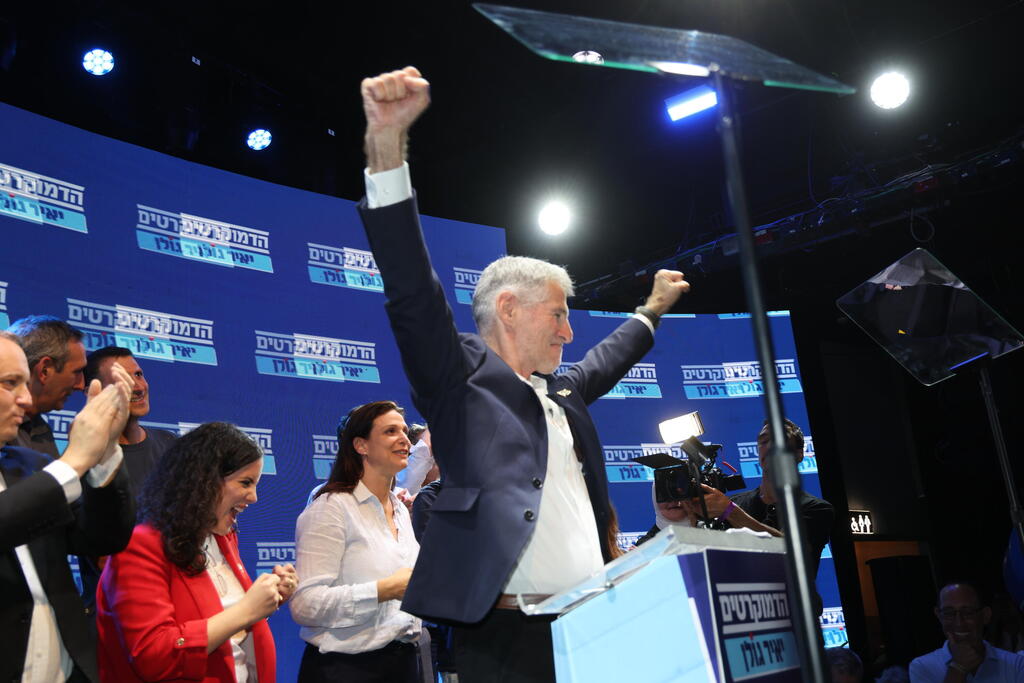
Nimrod Shapir finished 11th, followed by Moran Zer Katzenstein, Avi Dabush, Emily Moatti, Tomer Avital, Nava Rozolyo, Ram Shefa, Ali Salalha, Rotem Sivan, Eran Etzion and Moran Michel.
Polling opened at 9 a.m. for the party’s approximately 112,000 members, with 51 candidates competing for what the party considers 10 to 12 realistic positions on its Knesset slate. Voting was conducted digitally by mobile phone, contributing to the high turnout.
Fink’s fifth-place finish was considered a surprise, while Ronen, a member of the Brothers in Arms protest movement, finished seventh. Shapir, who was recruited to the party by Golan, placed lower than expected, with party figures assessing that a controversy involving a fabricated text message had damaged his campaign.
Naor Narkis, who was regarded by party officials as an extremist candidate, failed to secure a realistic position. “Most Democrats voters have sound political judgment, which is why they chose an excellent slate and left the extremists out,” a senior party official said.
Speaking after the results were announced, Golan praised the slate and formally opened the party’s election campaign. “What an incredible list. This is what an awakening looks like. This is what a camp that has risen to its feet and is ready to take the wheel looks like,” he said. “Our slate is the spearhead of the camp for change.”
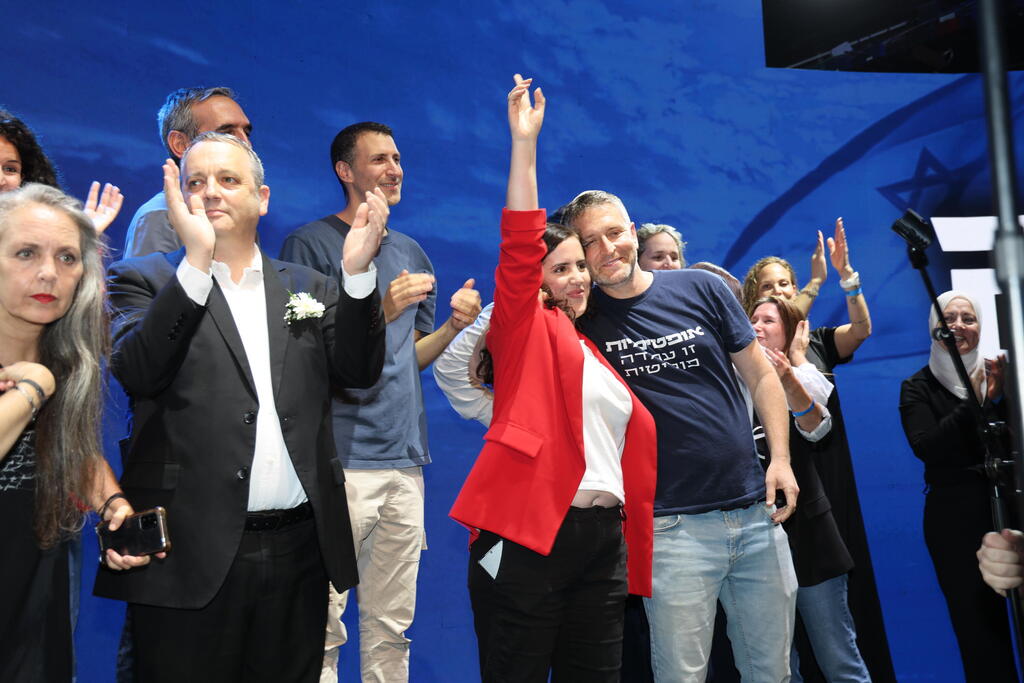
(Photo: Yariv Katz)
Golan said the election would determine the country’s future and warned that political attacks against the party would intensify immediately. He called the Democrats “the greatest and most tangible threat” to the government and described the party as representing protesters, reservists and civilians who mobilized after the Oct. 7 attack.
He pledged that the party would join a future government formed by Netanyahu’s opponents, establish a state commission of inquiry into the Oct. 7 massacre and repeal legislation advanced as part of the government’s judicial overhaul.
Golan also promised reforms to the Israel Police, action against organized crime, greater Jewish-Arab partnership, public transportation on Shabbat, civil marriage and changes to the education system. He said the party would work to rehabilitate communities in northern Israel and the Gaza border region and direct substantial funding to both areas.
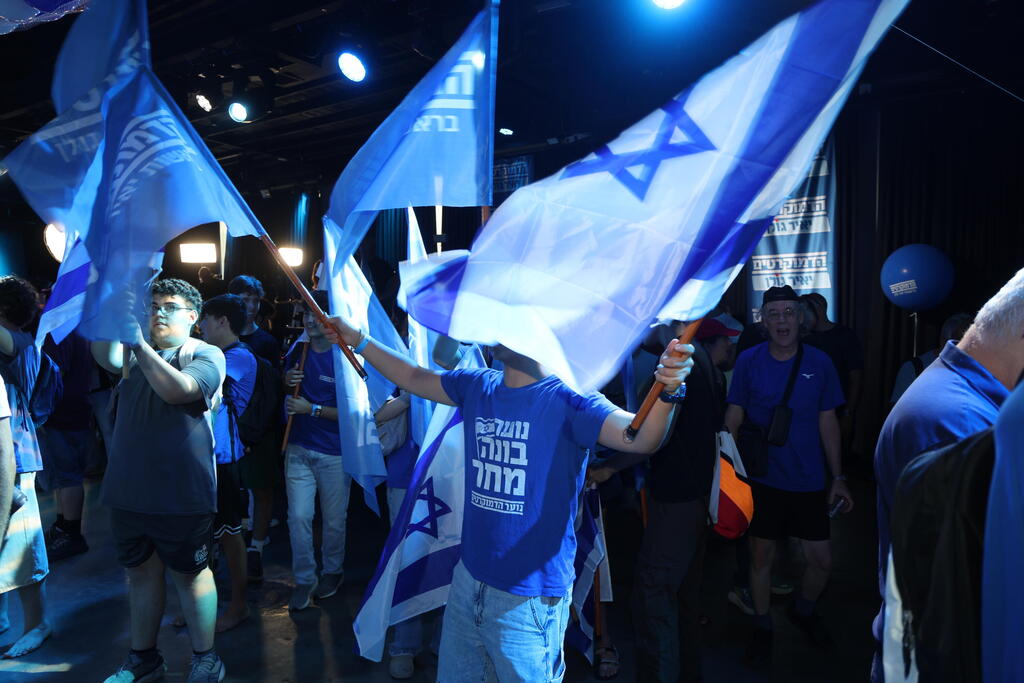
(Photo: Yariv Katz)
He further pledged to protect an independent press, oppose annexation in the West Bank, act against Jewish terrorism, evacuate illegal outposts and farms and promote equal and comprehensive military service.
Rayten’s campaign said her alliance with Ronen had produced a major success. “Party members have spoken: They want Rayten as justice minister in the next government,” it said.
The primary was held amid tensions between candidates associated with the former Labor Party and those identified with Meretz. In recent days, senior party figures, some with Golan’s backing, sought to prevent candidates they considered too extreme or too strongly associated with Meretz from securing prominent places.
Golan has two reserved appointments on the slate, one in each group of 10 candidates. He could use them to add outside figures if he believes the final list requires changes, although his associates expressed strong satisfaction with the primary results.