

The IDF carried out overnight air and artillery strikes on Hezbollah terrorists, command centers and infrastructure in several areas of Lebanon, as Israel increased pressure on the Iranian-backed terrorist group amid the ongoing regional conflict.
The military said Israeli Air Force jets struck Hezbollah command centers in the Nabatieh area of southern Lebanon and other targets linked to the group.
IDF strikes in Beirut


In a rapid response operation lasting less than 90 minutes, the IDF said it located and destroyed the launcher used earlier to fire rockets toward Haifa and central Israel.
According to the military, more than 250 Hezbollah targets in Lebanon have been struck so far during the current escalation. Among the targets were rocket launchers, command centers, weapons depots and senior Hezbollah terrorists.
The strikes have coincided with large-scale evacuations in southern Lebanon. About 300,000 residents have left the area following the fighting, while the IDF issued additional evacuation notices to several villages on Wednesday.
Israeli officials say the operation is placing significant pressure on Hezbollah among its support base. Supporters of the terrorist group, who have not yet received compensation from the previous round of fighting, are now dealing with damage from renewed clashes.
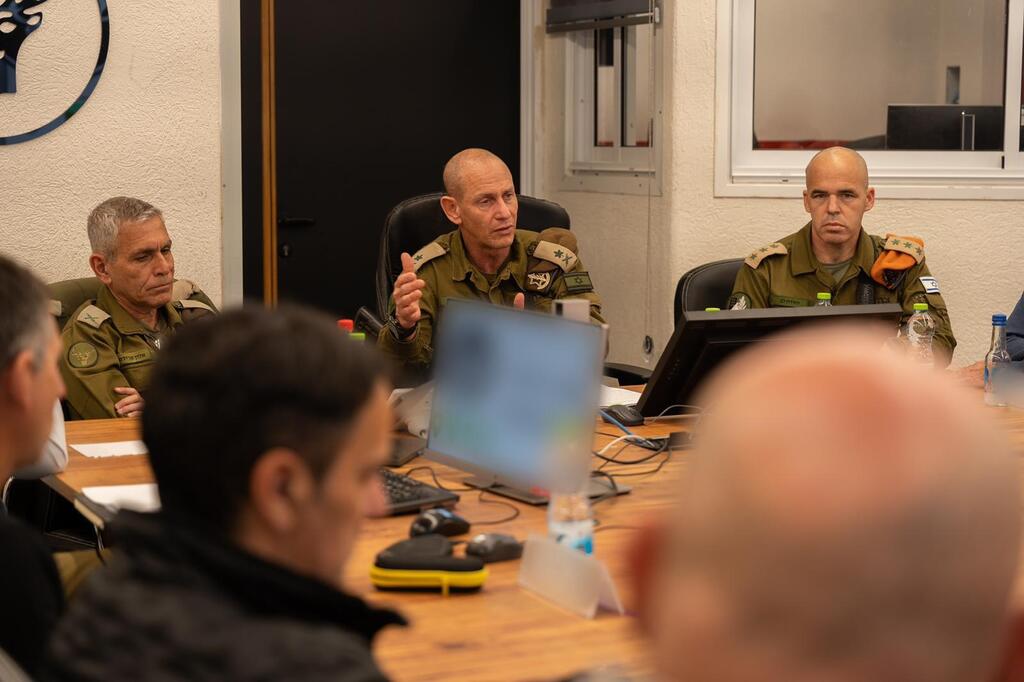
Northern Command chief Maj. Gen. Rafi Milo said Hezbollah had made a major mistake by joining the fighting. “Hezbollah fell into a strategic ambush,” Milo told local leaders from northern Israeli communities during a meeting on Tuesday. “Hezbollah made a serious mistake when it joined the campaign. We will not stop until it receives a very heavy blow.”
Milo added that Israeli forces would continue striking Hezbollah targets throughout Lebanon. “We will hit the organization with force across Lebanon — whether in Beirut, Tyre or Sidon,” he said.
He said Israeli forces are maintaining a strong defensive posture along the Lebanese border and in areas of southern Lebanon where troops have deployed.
“We have strengthened our defenses, including along the Syrian front,” Milo said. “So far we have struck about 250 targets and will continue doing so every day.”
During the night, about 30 rockets were launched from Lebanon toward Israel, according to the IDF. Most were intercepted or fell in open areas.
Fragments from intercepted rockets fell in a community in the Galilee, causing significant damage. One person was treated for shock.
All agricultural work within two kilometers of the Lebanese border has been suspended because of the security situation.
Several alerts were also triggered overnight over suspected drone infiltrations from Lebanon, though no casualties or damage were reported.
Firefighters from the Galil-Golan fire station responded to the scene where interceptor debris caused damage in a residential area. Emergency crews searched nearby buildings and the surrounding area for possible casualties or people trapped.
During the operation, firefighters also identified gas leaks caused by the impact and worked to stop them.
In northern Israel, the IDF has shifted its operational approach after Hezbollah joined the fighting.
Military officials said that a year and a half of limited enforcement operations had ended and that the military is now implementing an offensive strategy it had prepared for months.
In recent weeks Israeli forces have been conducting extended operational preparations for both defensive and offensive scenarios.
The IDF said the deployment of forces inside southern Lebanon, announced earlier, is intended for defensive purposes to prevent attacks on Israeli border communities.
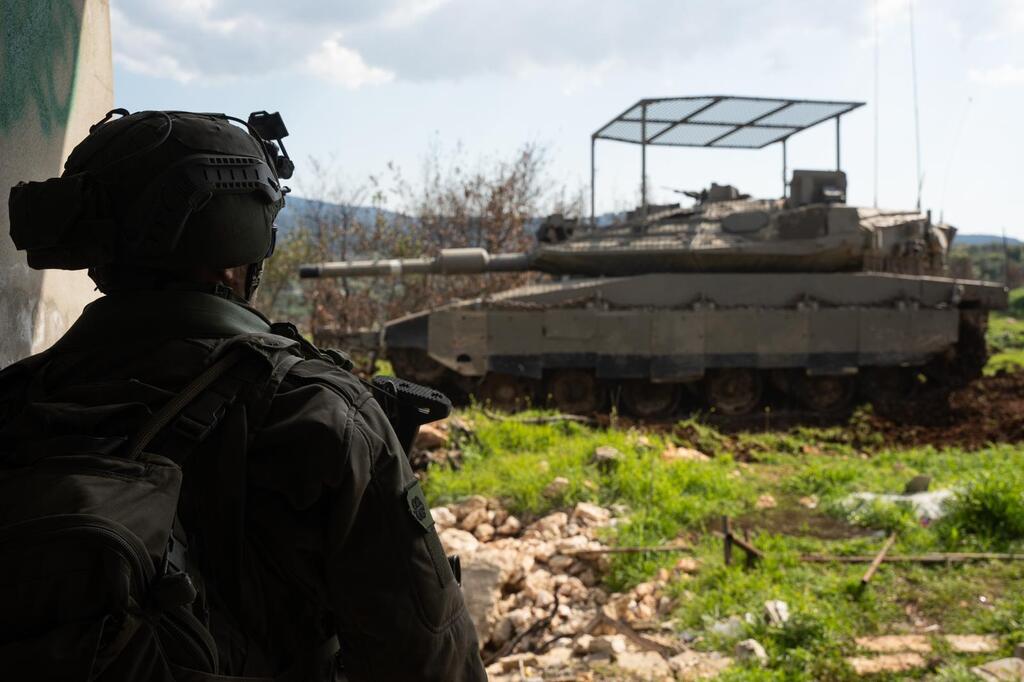
146th Division forces on the Lebanese front
(Photo: IDF)
Troops have positioned themselves in areas ahead of Israeli communities along the border to prevent infiltration attempts or direct fire.
Military officials said the number of artillery units and tanks deployed in the area has been tripled.
The United Nations Interim Force in Lebanon, or UNIFIL, remains deployed in its positions and has not interfered with IDF operations, the military said.
Although Hezbollah’s anti-tank missile threat has been significantly reduced due to Israeli operations in recent years, military officials said the capability still exists.
The IDF’s immediate objective in the north is to suppress that threat. Military officials said the goal is to create a demilitarized zone about eight kilometers deep from Israeli border communities to prevent attacks.
The military is also applying tactics used in operations against Iran to hunt and destroy rocket launchers in Lebanon in order to prevent further rocket fire into Israeli territory.
“We are in an expanding multi-front campaign,” the IDF said. “As we strike Iran, we significantly weaken the entire axis.”
Military officials added that Israeli forces are currently engaged in what they describe as a defensive battle, though broader operational plans exist if political leaders authorize further action.
Meanwhile, the IDF said it has redeployed the 146th Division to the Lebanese front.
The reserve division, which previously operated in Lebanon during earlier fighting, has now been assigned to strengthen defenses along the western sector of the Lebanon border.
“Reserve forces from the division’s brigades are deployed across the sector and are a central component in the defense of the State of Israel,” the IDF said.