

For years, it has been viewed as one of Iran’s most vulnerable strategic assets. Yet despite repeated speculation that it could become a target, Kharg Island, the Islamic Republic’s main oil export terminal in the Persian Gulf, has so far remained untouched in the current war.
The small island, only about six kilometers long and located roughly 25 kilometers off Iran’s coast near Bushehr province, handles around 90% of Iran’s crude oil exports. Destroying or disabling its facilities would deal a devastating blow to the Iranian economy.
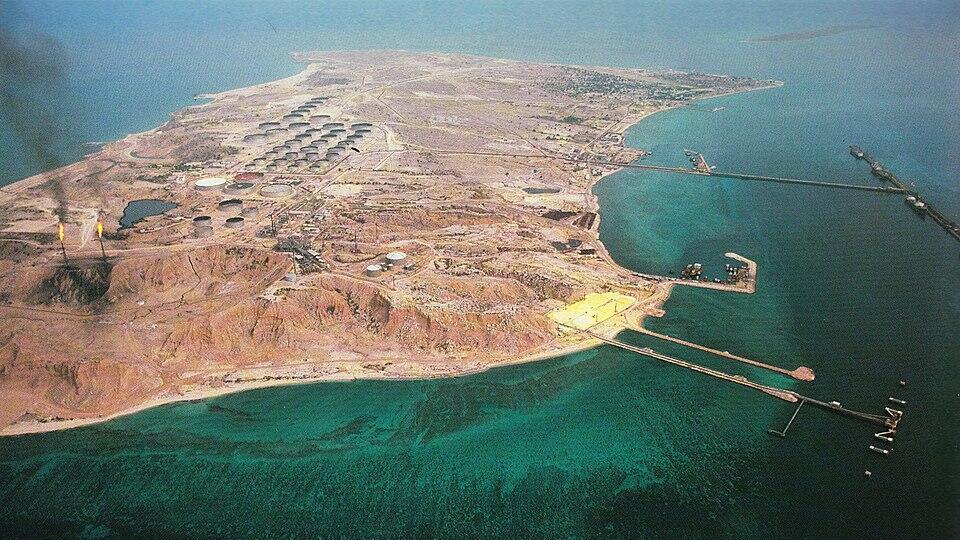
Now, after Israeli forces struck Iranian oil storage facilities for the first time in the current war, the question has resurfaced: will Kharg Island eventually be targeted as the war escalates?
Iran’s critical oil hub
Kharg Island became strategically vital during Iran’s oil boom in the 1960s, when it developed into one of the world’s largest crude oil export terminals.
Today, the facilities there can theoretically handle exports of up to 7 million barrels of oil per day, though Iran officially reports lower figures.
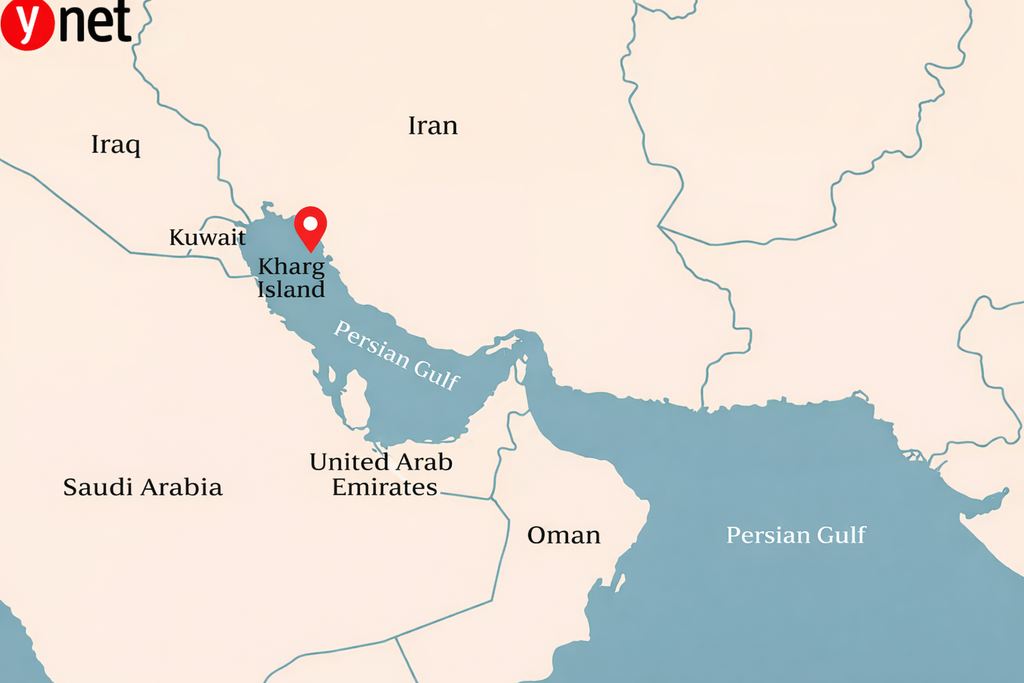
Kharg Island
Most of that oil is ultimately purchased by China, which has continued buying Iranian crude despite U.S. sanctions.
Because Iran’s economy depends heavily on energy exports, analysts view the island as a major strategic weak point.
It has already been targeted in the past. During the Iran-Iraq War in the 1980s, Saddam Hussein’s forces repeatedly attacked the island’s infrastructure, causing severe damage. Despite this, Iran managed to continue exporting oil throughout much of the conflict.
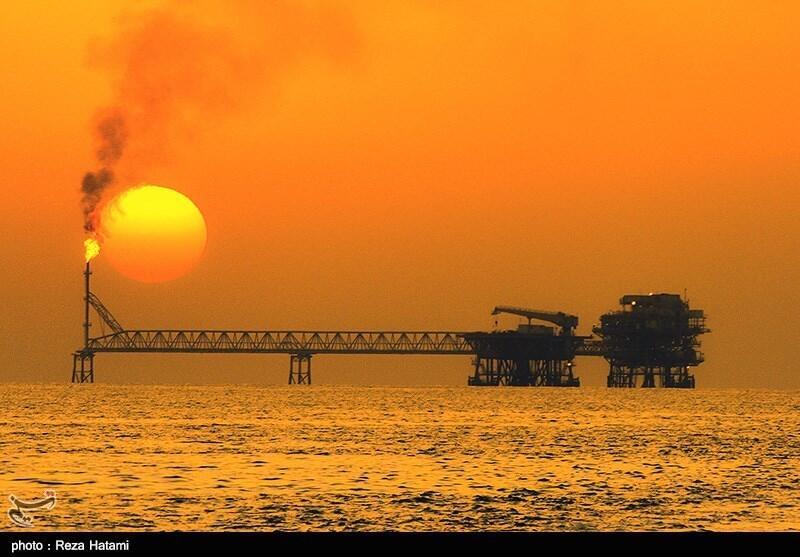
One of the oil facilities on the island, photographed in 2018
(Photo: Reza Hatami)
Considered a target before
Reports following Iran’s missile attack on Israel in October 2024 suggested Israel had considered striking Kharg Island in retaliation.
At the time, Iran reportedly began preparing for such a possibility by moving away many of the oil tankers that normally anchor near the island. Similar precautions appear to have been taken ahead of the current conflict.
Despite those preparations, Bloomberg reported that some tankers loaded with crude oil remained near the island even after Israeli and U.S. strikes began in late February.
Iran has declared the Strait of Hormuz closed, the key shipping route through which tankers must pass to export oil from the Gulf. However, analysts believe Iranian vessels may still be traveling through the strait covertly, often with their tracking systems turned off.
Calls in Israel to strike the island
Israeli opposition leader Yair Lapid openly called for Kharg Island to be attacked.
“Israel should destroy all of Iran’s oil fields and energy industry on Kharg Island,” Lapid wrote on X. “That would collapse Iran’s economy and bring down the regime.”
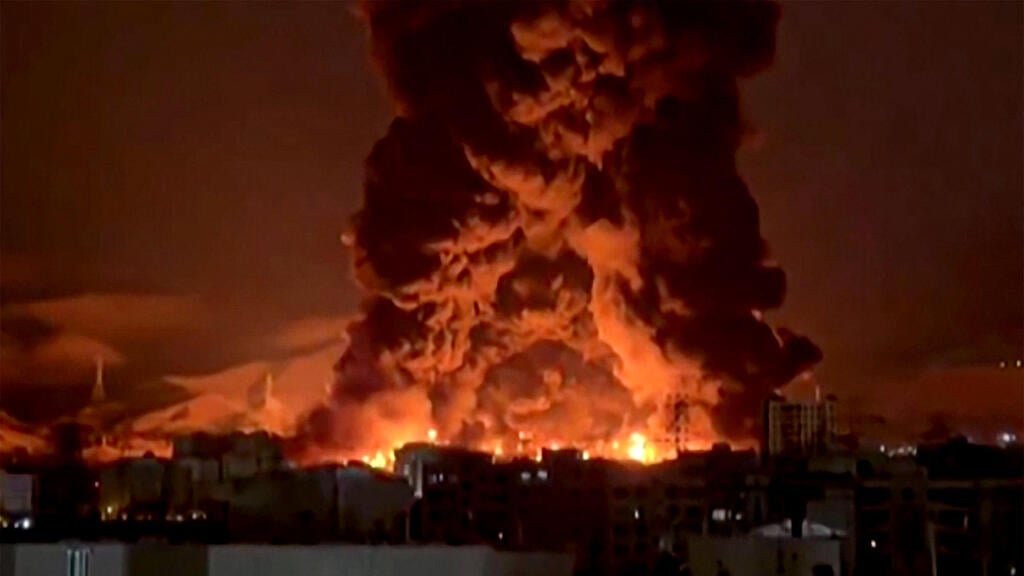
Huge flames in Tehran last night after the air force struck oil storage facilities
(Photo: AFP - SOURCE: UGC / UNKNOWN )
Although such calls have not been acted upon, the Israeli Air Force did carry out its first strikes on Iranian oil facilities during the current conflict, targeting large fuel storage depots in Tehran and in the Alborz region in northern Iran.
Images of massive flames and smoke rising above Tehran were broadcast worldwide, raising concerns that the war could enter a new phase targeting energy infrastructure.
Iran threatens retaliation against Gulf energy sites
Iran has warned that attacks on its energy sector could trigger retaliation across the region.
The Islamic Revolutionary Guard Corps said that although Iran has so far avoided targeting energy infrastructure in Gulf countries, it possesses the intelligence and operational capability to do so.
Strike on oil storage facilities in Tehran


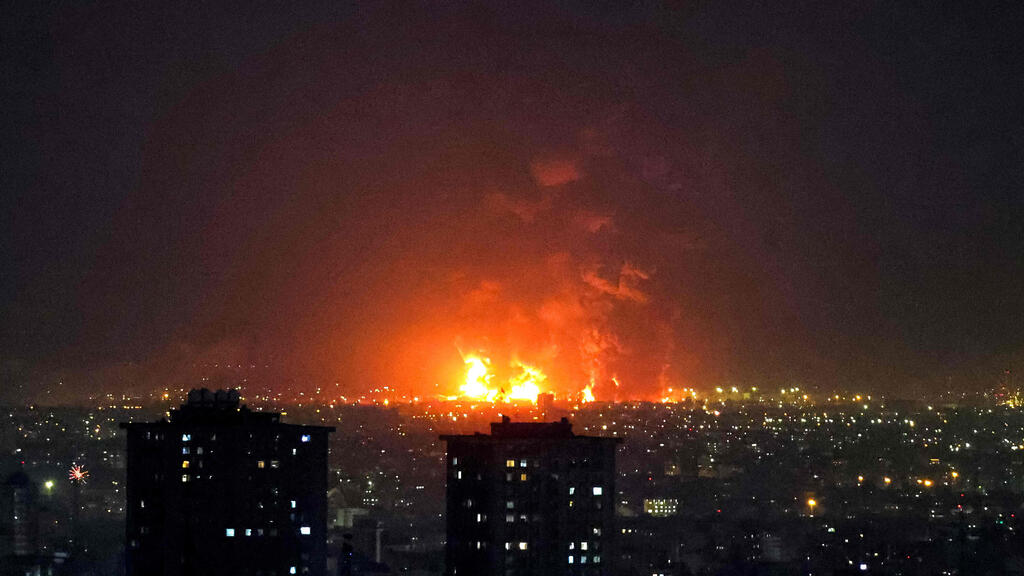
Tehran
(Photo: Atta Kenare/ AFP)
“American and Israeli forces have attacked fuel and energy infrastructure and public service centers,” an IRGC emergency command statement said.
“If they choose to wage war against infrastructure, we will respond immediately and target their infrastructure.”
Iranian parliament speaker Mohammad Bagher Ghalibaf delivered a similar warning, saying that if attacks on Iranian infrastructure continue, Iran will respond by targeting its adversaries’ energy facilities.
Risk of a global oil shock
Analysts warn that striking Kharg Island could trigger a sharp rise in global oil prices.
The Washington-based Center for Strategic and International Studies (CSIS) estimated last month that an attack on the island, or a blockade of its facilities, could push oil prices up by roughly $10 per barrel.
“Kharg could be disabled in several ways,” the report said, including destroying ship-loading equipment such as pipelines and pumps, damaging storage tanks, or cutting off the underwater pipelines supplying oil to the island.
Under such conditions, oil prices could surge above $100 per barrel.
The global Brent crude benchmark has already climbed to more than $92 per barrel, its highest level since 2023, amid the ongoing conflict.
US political calculations
Another possible reason Kharg Island has not yet been targeted is the need for U.S. approval for such a dramatic escalation.
President Donald Trump faces political pressure at home over rising fuel prices ahead of the U.S. midterm elections, and a major disruption to Iranian oil exports could further destabilize global markets.
According to Axios, officials in the Trump administration have discussed other options, including seizing the island and its oil infrastructure, or launching commando raids to secure Iran’s enriched uranium stockpiles.
Trump did not rule out the possibility of ground operations when asked about potential raids in an interview with ABC.
“Everything is on the table,” he said.
Advisers urge caution
Despite Trump’s past statements about seizing oil resources in countries such as Venezuela, he has so far avoided publicly discussing control of Iran’s oil industry.
Some analysts believe this restraint reflects advice from his advisers.
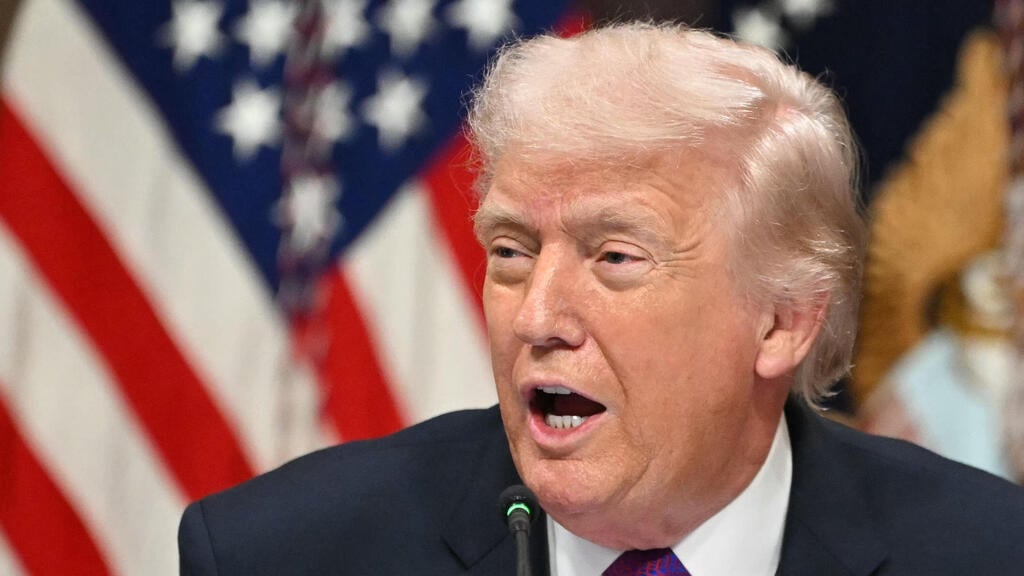
US President Donald Trump
(Photo: Andrew Caballero-Reynolds/ AFP)
According to reports cited by The Atlantic, U.S. officials recommended focusing publicly on military objectives rather than oil.
“He understands how explosive that issue is,” one Arab official told the magazine. “It’s bigger than Venezuela.”
A dilemma for Iran’s future
Energy analysts say there may be another reason Kharg Island has not yet been attacked.
Delgha Katinoglu, an Iranian energy expert who works with the London-based Persian-language broadcaster Iran International, warned that destroying Iran’s oil infrastructure could cripple the country for years — even if the current regime collapses.
Iran earned about $78 billion from energy exports in 2024, despite heavy U.S. sanctions.
“If the regime eventually falls, no future government would be able to stabilize the country or provide basic services if the energy infrastructure is destroyed,” Katinoglu told The New York Times.
“In other words, destroying Iran’s oil and gas facilities could actually block the path to democratic transition,” he said.