


A series of sources in the government and coalition acknowledge that they are skeptical about whether the government will genuinely advance a framework for an inquiry committee into the October 7 massacre by July 1, the deadline set by the High Court for the government to “present a framework” for some mechanism to investigate the failures.
The current situation is bleak. The government and coalition have taken no real action to advance an inquiry committee, and according to the sources, the policy appears to be to repeatedly delay the decision until Prime Minister Benjamin Netanyahu makes a last-minute call.
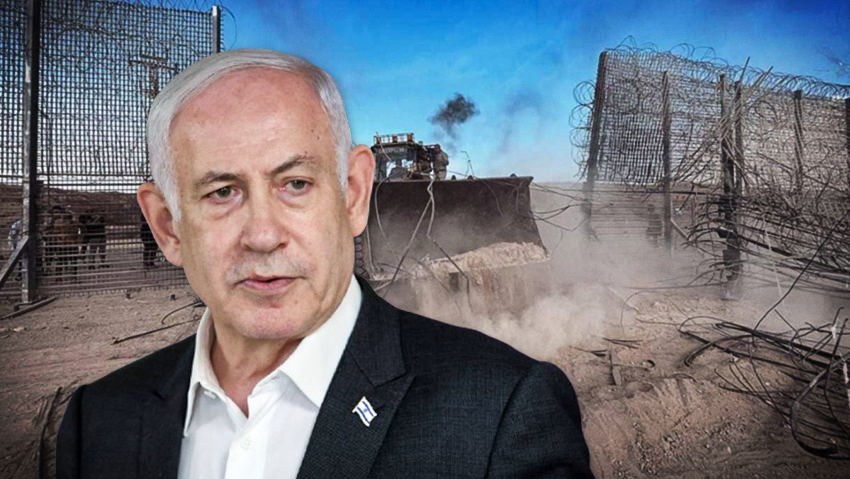
After the coalition ruled out establishing a state commission of inquiry, arguing that it does not trust the High Court, and after compromise proposals were also rejected, including appointing Justice Noam Sohlberg to head the inquiry committee, the coalition officially says it will advance a bill by MK Ariel Kallner of Likud to establish a parity inquiry committee made up of coalition and opposition representatives and appointed by the political echelon.
At a High Court hearing last week, government representative attorney Michael Rabello said on behalf of Constitution Committee Chairman MK Simcha Rothman that “the legislation can be completed by the end of the summer session” — meaning by the end of July. But in practice, Kallner’s bill, which passed a preliminary reading, has been discussed only four times, with the last hearing held in late February. Since then, it has been frozen and was not advanced further during the Knesset’s winter session.
The government is not prioritizing passage of the bill, and the prime minister himself is skeptical about the possibility of advancing it because the opposition has said it will not cooperate.
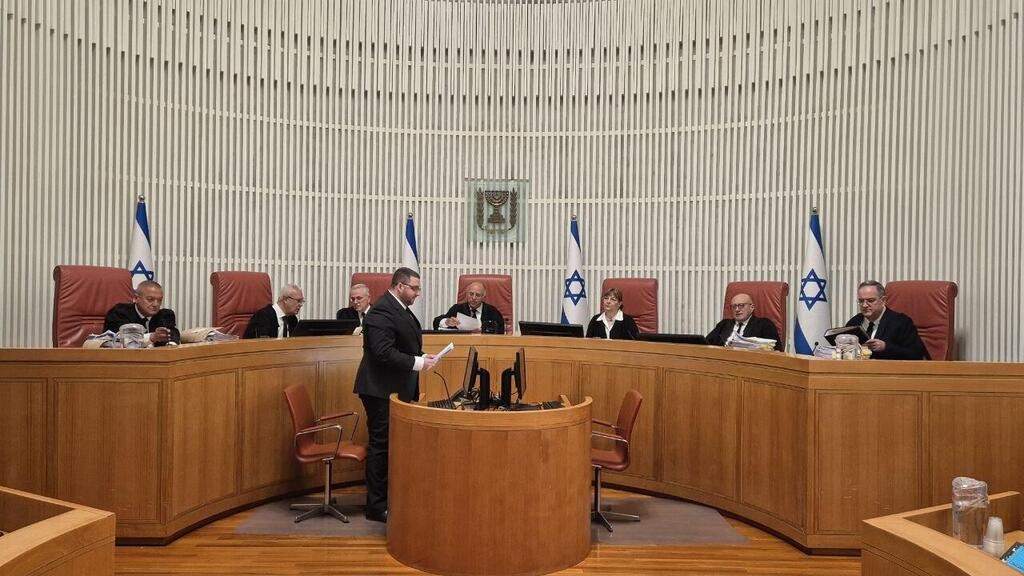
High Court justices at last week’s hearing
(Photo: Alex Kolomoisky)
“There is no pressure to advance Kallner’s bill like there is with other bills that have priority,” government and coalition officials told ynet. “Every so often, people ask what is happening with the bill. Some in Netanyahu’s circle are trying to push it and may hold discussions to show the High Court that progress is being made, but the assessment is that it will not pass. In the end, Netanyahu will decide at the last minute. He has bought more time here.”
According to them, the prime minister stands to gain either way. “He is in a win-win situation,” they said. “Either the High Court establishes a committee, and then it will not win the trust of his camp because it will be the result of a court ruling, or the next government will establish a committee. If he is prime minister, he will establish a committee that suits him, and if he is in the opposition, then he will no longer care if a state commission of inquiry is established.”
Additional sources said: “Maybe the prime minister will ultimately establish a government inquiry committee before the election. Ideas keep coming up.”
In the meantime, it appears that in the summer session, which opens May 10, the coalition has marked other bills as more important to advance before the inquiry committee bill, including completing legislation to split the attorney general’s role, the Police Internal Investigations Department bill and a bill on prosecuting Nukhba terrorists.