

Robotic weapons must be produced in large numbers, supplied despite disrupted logistics and adapted continuously as the battlefield changes. They also need to do more than operate independently: increasingly, militaries want networks of autonomous systems that can communicate, coordinate and fight as a force.
Israeli defense technology company AITAN is betting that this is where warfare is headed — and that the countries developing those robotic forces will want to control the technology themselves.
Gallery
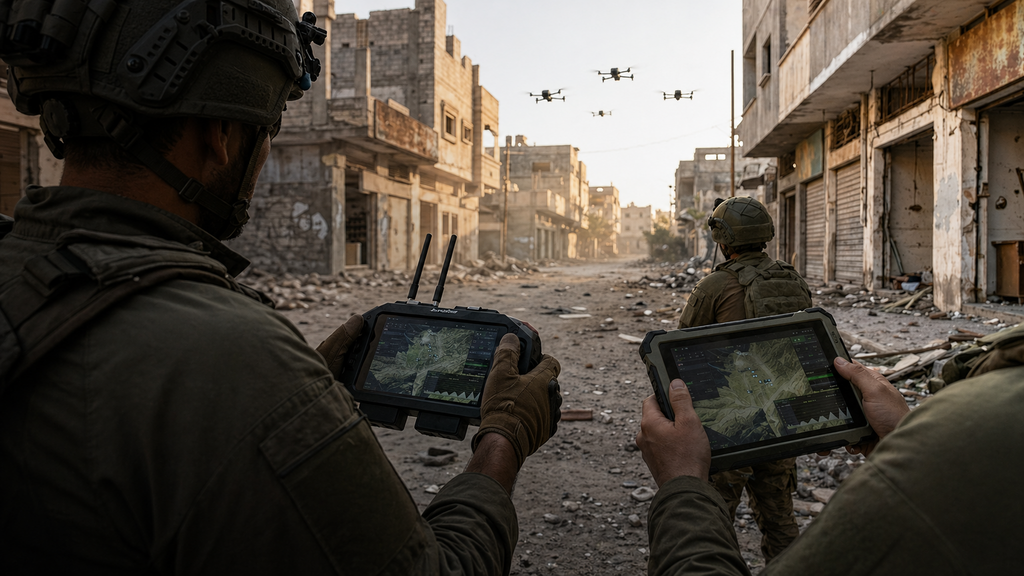
AITAN's robotic systems have accumulated more than 500,000 combat hours since 2023
(Photo: Courtesy)
The company emerged from stealth Wednesday with a new pitch it calls "Robotic Sovereignty-as-a-Service," along with a $41 million financing round that it says will fuel international expansion and further development of its autonomous weapons technology. The round was co-led by Deep33 and Dell Technologies Capital, with participation from Coinbase and Pinterest board member Gokul Rajaram, Bling Capital founder Benjamin Ling and Scribble Ventures' Kevin Weil.
The new investment brings AITAN's total funding to $54 million.
Behind the company's pitch is technology that AITAN says has already been used extensively by the Israel Defense Forces and Israeli national security agencies. Its robotic systems have accumulated more than 500,000 combat hours since 2023, according to the company, spanning a range of missions involving unmanned systems, command and control, swarming, edge AI and autonomy.
The experience has given AITAN an unusual laboratory: a war in which robotic systems have moved from experimental technology to an increasingly important part of battlefield operations.
"Three years later, with our technology already having a significant operational impact on the ground, the time is right to expand our reach and bring these capabilities to Israel's allies around the world," said Udi Oster, AITAN's co-CEO.
From Unit 8200 to the battlefield
AITAN was founded by Oster and Daniel Almog, Israeli and American entrepreneurs who met while serving as officers in the IDF's elite Unit 8200. The pair later went into the technology industry, founding Tapingo, an online food-ordering marketplace that was acquired by Grubhub.
The events of Oct. 7, 2023, pulled them back toward defense.
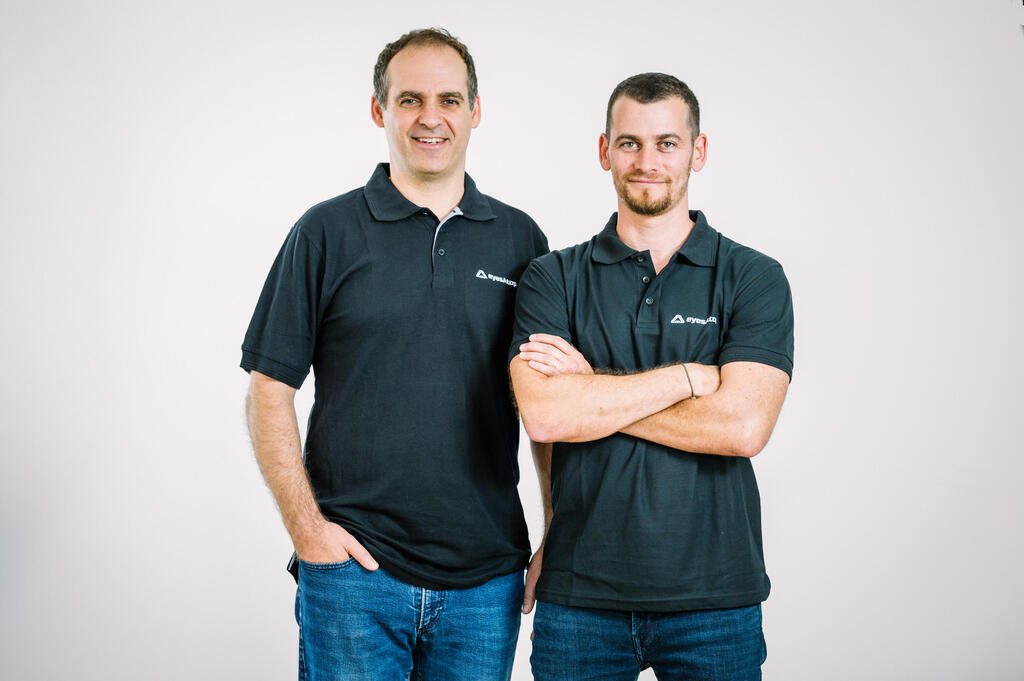
Udi Oster and Daniel Almog
(Photo: Courtesy)
Their longtime friend and former colleague, Or Levy, was kidnapped from the Nova music festival, where his wife was killed. Oster's younger brother, Eitan, was later killed while serving as a captain in the Egoz commando unit during Israel's ground operation in Lebanon.
The company bears his name. It is also a reference to the Hebrew word "eitan," meaning resilience.
"When the Swords of Iron War broke out, it was clear to us that our sole objective was to help our friends and family members win and return home safely, whether from captivity or from the battlefield," Oster said.
AITAN's founders argue that the wars of the past three years have exposed a fundamental problem with military robotics. Unlike traditional weapons, robotic systems cannot simply be purchased, placed in storage and expected to remain relevant for years.
The machines, software and artificial intelligence behind them need to change as the fight changes.
A disrupted supply chain can make an otherwise effective system difficult to maintain. New enemy tactics can quickly make yesterday's software obsolete. And deploying hundreds or thousands of individual robots creates another challenge: making them operate as a coordinated force.
AITAN says its systems are designed around those realities, with an emphasis on large-scale production, resilience in contested environments and the ability of militaries to develop and maintain their own robotic and AI capabilities.
The company describes that model as robotic sovereignty — giving allied nations the ability to build and operate autonomous combat capabilities without becoming dependent on a foreign supplier for every change or battlefield adaptation.
A foothold in Israel's military
AITAN says it has already secured a place in several major Israeli defense programs.
The company recently won a joint contract to develop the command-and-control platform for the IDF's next-generation attack-drone fleet. It has also received critical design contracts for key robotic weapon systems.
Its technology is being developed by reservists and military veterans with operational experience, according to the company, allowing battlefield feedback to feed directly into subsequent versions of its systems.
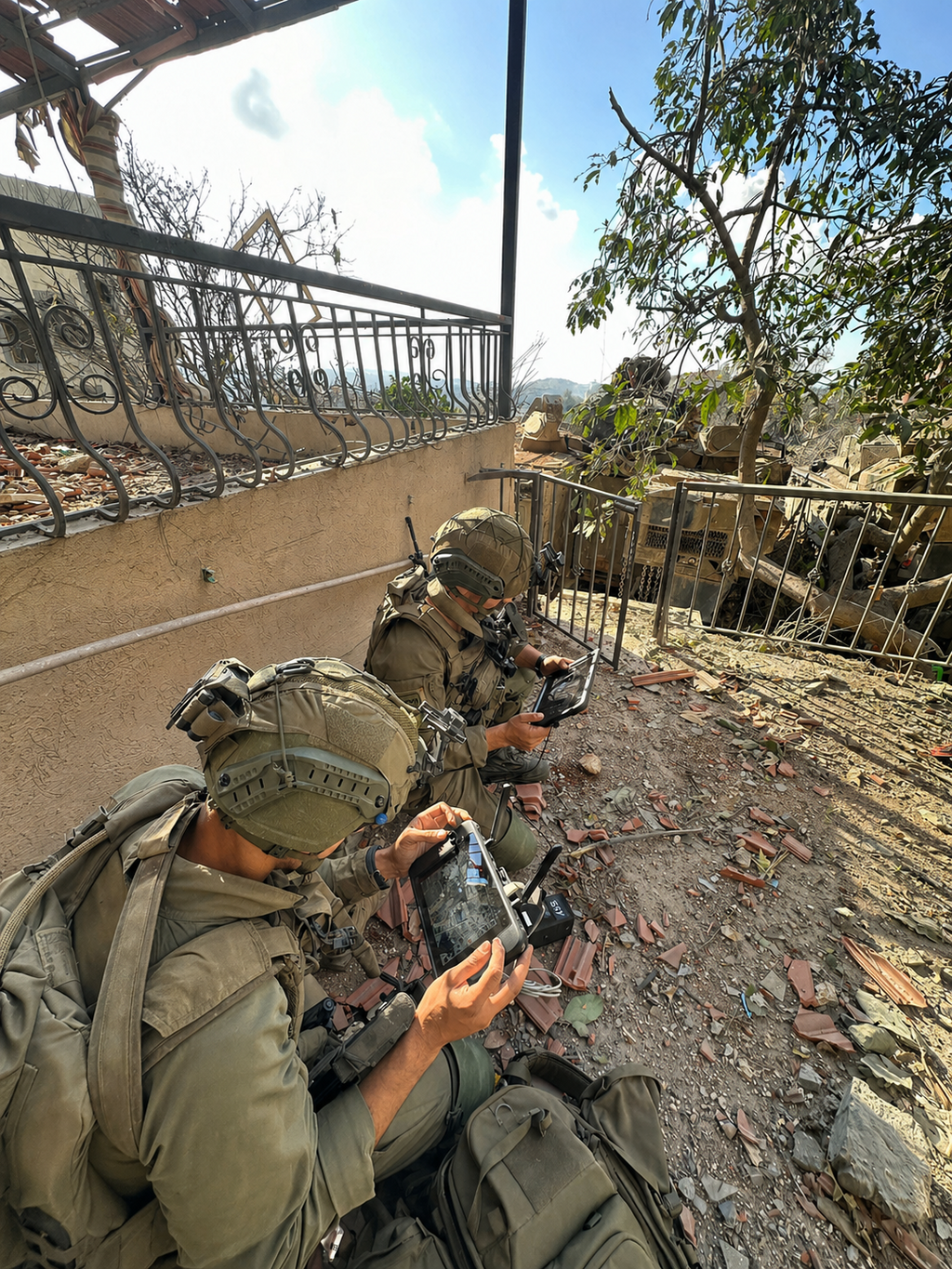
AITAN says it has already secured a place in several major Israeli defense programs
(Photo: Courtesy)
That experience is central to the company's argument that Israel has an advantage in developing military robotics.
"Israel is one of the only places in the world with the combat experience and flight hours to develop robotic weapon systems at scale," said Lior Prosor, a general partner at Deep33. "That gives AITAN a difficult-to-replicate advantage and a significant opportunity to bring that capability to allied nations."
For investors, the appeal extends beyond individual drones or ground robots.
The larger bet is on what AITAN describes as a future in which military forces consist of networks of different autonomous machines — systems that can be coordinated through a common command-and-control architecture and increasingly make decisions at the edge, close to where combat is taking place.
"We believe Physical AI will be one of the most important technology shifts of the coming decade," said Yair Snir, managing director at Dell Technologies Capital. "But first, we need to solve the challenge of coordinating highly complex autonomous systems in challenging real-world environments."
Snir said AITAN had recognized early that the future of defense would involve "intelligent networks of disparate systems operating together."
The $41 million round will be used to continue developing AITAN's products, expand into international markets and grow its global workforce.
For a company emerging publicly only now, AITAN is presenting itself as a veteran of a battlefield that has already begun to change — and as a company determined to help allied militaries prepare for what comes next.