

Oil prices rose, the U.S. dollar strengthened against the Israeli shekel and stocks fell on the Tel Aviv Stock Exchange on Tuesday as renewed tensions in the Middle East rattled financial markets.
The market moves followed Iranian attacks on tankers in the Strait of Hormuz on Monday and overnight U.S. strikes on more than 80 targets, escalating hostilities after a period of relative calm.
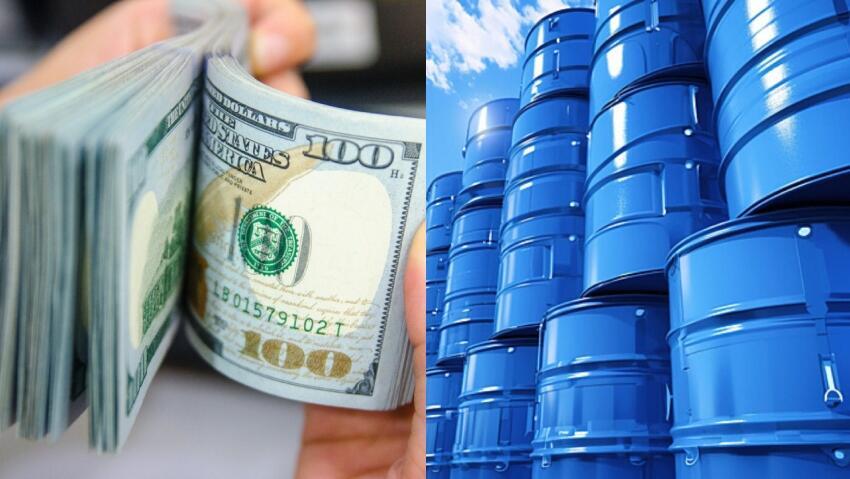
(Photo: Shutterstock, PNGTree)
Brent crude traded above $78 a barrel, while U.S. benchmark West Texas Intermediate crude rose above $74 a barrel. Oil prices had fallen sharply after a memorandum of understanding to end the conflict was signed last month, dropping below $70 a barrel and contributing to lower fuel prices in Israel, where gasoline prices are closely tied to global oil markets.
The U.S. dollar also extended gains against the shekel, trading slightly above 3.05 shekels after the Bank of Israel set its representative exchange rate at 3.02 shekels on Monday. The euro traded around 3.48 shekels, up from a representative rate of 3.46 shekels the previous day.
On the Tel Aviv Stock Exchange, the benchmark TA-35 index fell about 1%, while the broader TA-125 index lost 1.1% and the TA-90 index dropped 2%. The declines followed sharp losses on Monday, when the TA-35 fell 1.9% and both the TA-125 and TA-90 lost about 2%.
Among sector indexes, the Tel Aviv Renewable Energy Index and the Tel Aviv Technology Index each fell about 4%.
Yossi Fraiman, CEO of risk management and investment firm Prico Risk Management, Finance and Investments, said higher fuel prices and weakness in U.S. equity markets had supported demand for the dollar.
Fraiman also cited the Bank of Israel's recent interest rate cut and its foreign currency purchases as factors supporting the dollar's gains against the shekel.
He said his firm continues to expect a stronger shekel over the long term but believes several short-term factors have weakened the currency's outlook, including the end of the dollar's recent global decline, a pause in the rally in U.S. stock markets, renewed concerns over regional security, a halt in the decline of Israel's geopolitical risk premium and the absence of major technology-sector transactions that typically generate significant foreign currency inflows.
Fraiman added that uncertainty following the collapse of optimism surrounding the Iran-U.S. agreement, along with concerns over renewed anti-government protests ahead of elections and political disputes, have also contributed to the dollar's recent strength.