

The consumer boycott of Israeli products approved by Brooklyn’s Park Slope Food Coop, a longtime neighborhood institution and status symbol for the city’s progressive elite, is alarming Israeli business owners who fear the move could spread far beyond one grocery store.
Among them is Sharona Romano-Lazar, owner of ECO LOVE, an organic skincare and haircare company with annual sales in the millions of shekels. The United States is one of the company’s key markets.
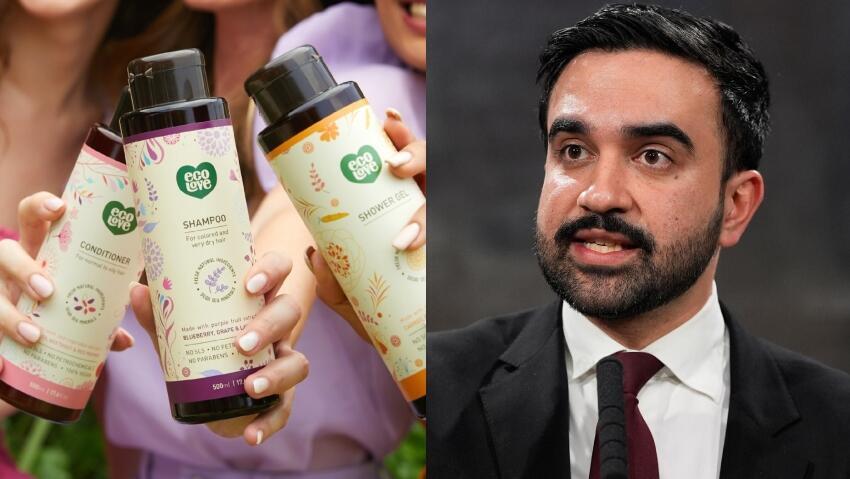
“We are in complete shock over this step,” Romano-Lazar said. “They boycotted our organic skincare products because they are made in Israel, and where? In Brooklyn, which is a distinctly Jewish neighborhood. If this store, which has many shoppers, boycotts us and it spreads from there to more stores and more chains, it will become a rolling event that puts us in trouble.”
“What does it give them to boycott businesses that employ both Israelis and Arabs, which is what happens in our factory?” she added. “This step shows a lack of understanding of the situation in the Middle East.”
Asked whether this was part of the political atmosphere associated with Zohran Mamdani, Romano-Lazar said she believed the current climate had made such boycotts feel more acceptable.
“I assume that in the current political atmosphere there is more freedom and comfort to do this, to boycott Israel without paying a price,” she said. “If we have reached that point, that is very bad. Our brand is called ECO LOVE. We are for love, peace and brotherhood. We make the soaps and shampoos in Ofakim, the labels are made in Karmiel, the caps in Modi’in, the bottles in Shoham, and Jews and Arabs work for us. There is no distinction between sectors, so I don’t understand what they want from a product whose whole purpose is to spread good. What does it contribute to remove us from the shelves?”
For now, she said, the boycott means one of the company’s strongest stores in New York has stopped buying its products.
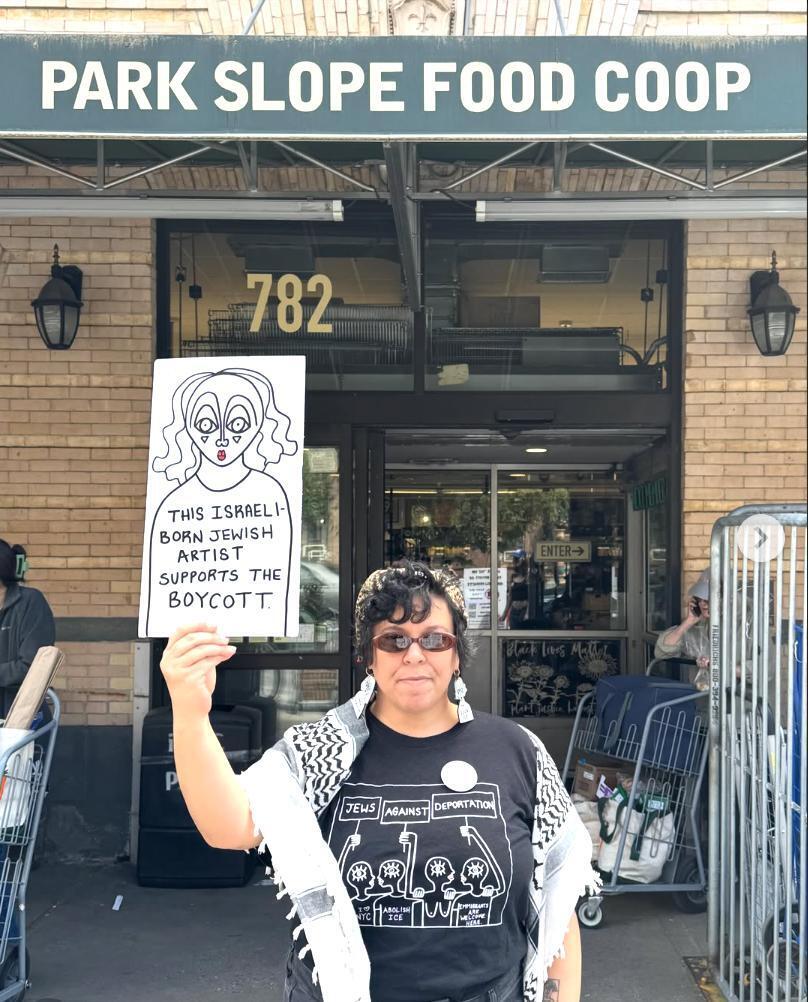
Boycott of Israeli- and Jewish-owned products and businesses in Brooklyn
“The big worry is that it will start becoming like a contagious disease, and suddenly more stores and more chains will say they are not willing to carry Israeli products,” she said.
Romano-Lazar said the company has been investing in the U.S. market since late 2017, at a time when exporting there has become more difficult. The weak dollar has hurt Israeli exporters, she said, while tariffs introduced under U.S. President Donald Trump have added a 15% tax on Israeli-made products.
“We went from zero tax to 15%,” she said. “We are suffering financially and there is no support from the state. There used to be export support programs. Today all the money goes to security, and I am not complaining about that, but we exporters are left to deal with it alone. How can I cope?”
The company is now trying to mobilize Israeli and Jewish customers to buy Israeli products, she said, while avoiding a media uproar that could further damage the business.
“We are trying to increase sales and show that the products are in demand, instead of creating a media mess that will only hurt us more,” she said.
Romano-Lazar said the products are identified as Israeli only by the “Made in Israel” label on the back. The front of the packaging, she said, emphasizes sustainability, health and quality ingredients.
“That is not at all aligned with what is happening with this whole boycott,” she said.
The company learned about the boycott not through any official notice from the co-op, but through media reports and customers who wrote to say the products were being taken off shelves, she said. Influencers have also posted about the move, including some who opposed it and called for it to be reversed.
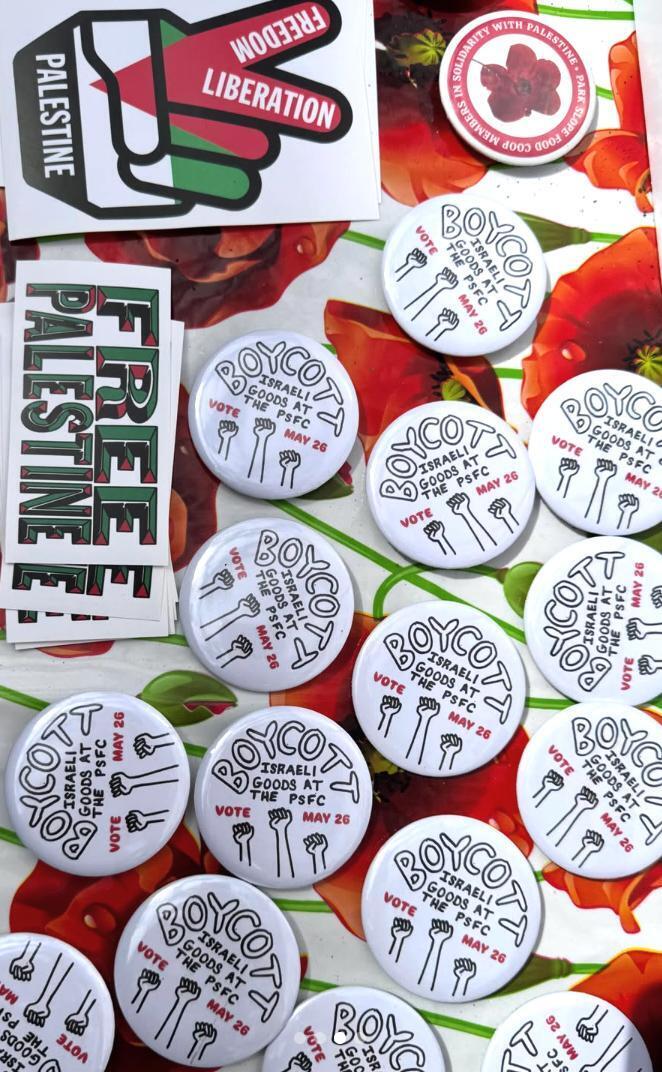
“I sell through a distributor who sells to stores,” she said. “This store will simply stop ordering from him, and we are not alone. Other Israeli brands were also removed from the shelves. Some of them have power and will probably have something to say about it. We also hope the Jewish and Israeli community will raise its voice. What worries us is not only what happens at one co-op in Brooklyn. When such a boycott receives international media exposure, the fear is the message it sends to the entire market and to additional commercial partners.”
Opposition is already emerging in the local community, including from bloggers, influencers, public figures and rabbis who argue that the boycott singles out Israel, creates a hostile atmosphere toward Jews and is associated with a movement some critics view as anti-Israel and even antisemitic. Some members have threatened to leave the co-op, and complaints have been filed with human rights authorities.
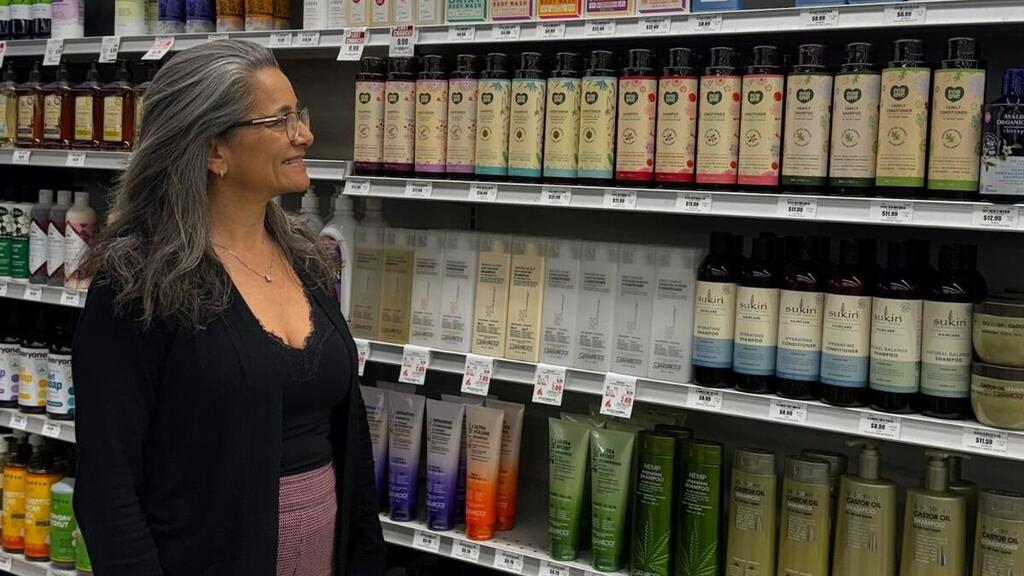
Sharona Romano-Lazar
(Photo: Nitsan Lazar)
In practice, the fight is not only about how many bottles of shampoo or jars of tahini will be sold in one Brooklyn store. It has become a microcosm of the deep rift in the United States over Israel, Jewish identity and progressive politics.
For Romano-Lazar and other business owners, however, the politics are secondary. She wants to protect a brand in which she has invested years of work and money in the American market.
“Luckily, the Israeli market is substantially stronger than the American market,” she said. “In the U.S., we are in many stores, but with a limited range of products. I can lose money if the boycott deepens. We invested years to get an Israeli skincare brand onto shelves in the U.S. For small and midsize Israeli companies, entering the American market is a complex and especially expensive move that requires years of investment, regulation, standards, building relationships with distributors and chains, creating trust with consumers and competing in an enormous market. Every point of sale is an achievement built over time. We never imagined that shampoo, conditioner and body wash would become part of a political struggle.”
Last week, Park Slope Food Coop approved a boycott of Israeli products by a large majority. The vote came after a tense process that led management to move the general meeting to Zoom after Jewish members expressed explicit concern for their personal safety if they had to attend in person.
More than 7,000 of the co-op’s roughly 17,000 members joined the online meeting, which lasted about three hours. The boycott passed with 67% in favor, 31% opposed and 2% abstaining. It applies to a range of goods made in Israel and in West Bank settlements, including peppers, persimmons, several tahini brands, olive oil, hummus, matzah and haircare products.
Shortly before the decisive vote, boycott supporters also passed a bylaw change that eliminated the requirement for a 75% supermajority and allowed the measure to pass by a simple majority. Opponents expressed frustration that the co-op moved directly to a boycott vote without first allowing them to present their position.
Unlike commercial supermarkets, the co-op model is designed to provide members with high-quality products at lower prices. Consumers jointly own and operate the grocery store, with each member required to contribute several hours of work each month in roles such as stocking shelves, cleaning or working at the checkout, in addition to paying membership fees.
The Park Slope institution was founded in 1973 and has become one of the best-known food cooperatives in the United States. It is identified not only with organic produce but also with deep political engagement among its members, and it has a long history of consumer boycotts tied to environmental issues and international conflicts.