

Dan Hotels has filed an unusual lawsuit in a Texas court against a small boutique hotel and restaurant in Houston, claiming the establishment is using the name “King David Hotel” and branding taken from the historic hotel in Jerusalem without permission.
The trademark infringement complaint targets 2615 Riverside, which operates the Houston hotel along with its spa and chef-driven restaurant, HKD Supper Club. The restaurant serves “communal” luxury meals, where diners share dishes at a shared pace. Dan Hotels alleges that the American property is using the branding in a way that could mislead consumers about a potential connection between the businesses. The Israeli chain’s trademarks were registered in the U.S. in 2018 and 2024, while the Houston complex opened in 2022.
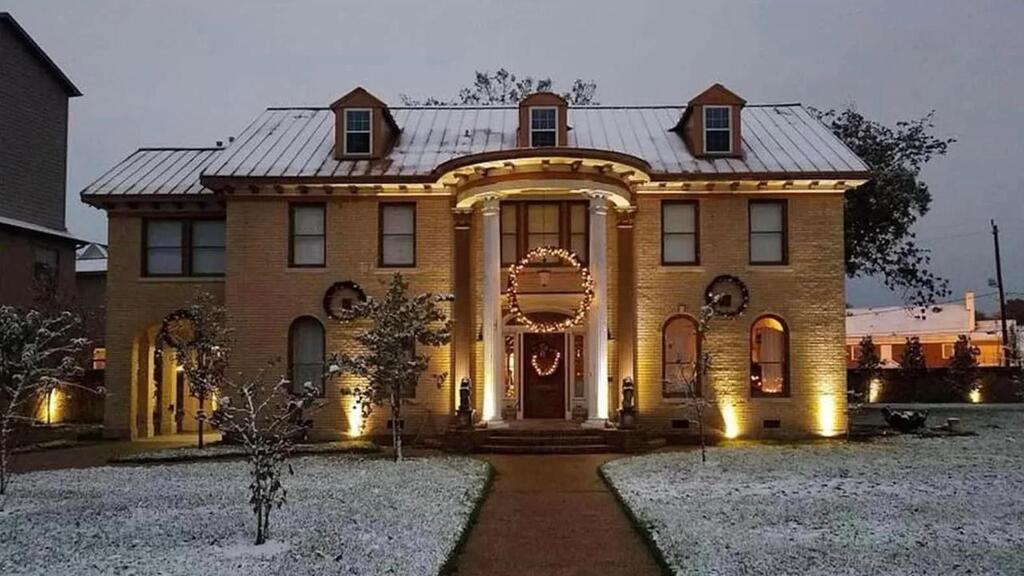
It appears that Dan Hotels was likely unaware of the Houston boutique until its representatives reached out in writing in October 2025 to request consent or a co-branding arrangement due to the similarity of the names. The hotel and restaurant, run by Chef Dominic Lee, is Black-owned and “celebrates African-American history through its cuisine,” offering special meals to mark Juneteenth, which marks the end of slavery in America.
Although the venue has received praise for Chef Lee’s reinterpretation of traditional Southern dishes, it is a small local player with just 154 rooms and four suites. By contrast, the King David Hotel in Jerusalem, according to Dan Hotels’ court filings, hosts roughly 100,000 guests annually across 237 rooms and dozens of special suites.
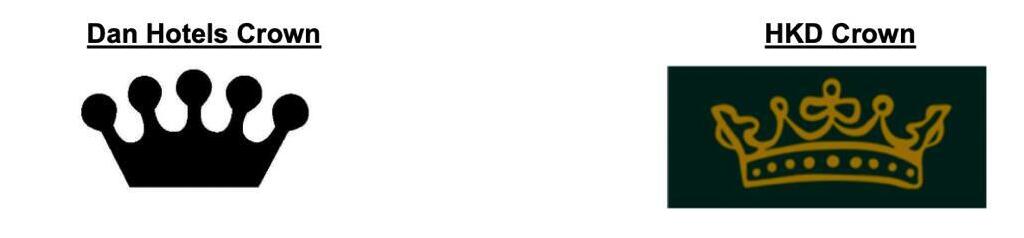
Logos of the two companies
(Photo: From the lawsuit)
Dan Hotels’ lawyers rejected the Houston hotel’s request, responding in November with a stern cease-and-desist letter demanding the Houston owners immediately stop using the “King David Hotel” brand, the initials “HKD,” the crown logo, and any similar variations. The complaint includes a detailed visual comparison of Dan Hotels’ crown logo and the Houston hotel’s crown. At the end of December 2025, the Israeli chain’s lawyers sent another letter demanding written confirmation that the branding would cease within 10 days and warned that legal action would follow. Houston hotel representatives reviewed the letters but stated they would not provide a written commitment at this stage.
Dan: HKD is riding the historic image
Dan Hotels claims that the Houston property’s continued use of the name, even after receiving warning letters, reflects “deliberate intent” to infringe rights and engage in unfair competition. According to the Israeli chain’s lawyers, the Houston hotel is attempting to capitalize on the King David’s image as a historic hotel operating for nearly a century and hosting tens of thousands of U.S. visitors. The Jerusalem property, the filings state, is “the preferred location for hosting heads of state and politicians,” having accommodated U.S. presidents including Richard Nixon, Bill Clinton, Barack Obama, and Donald Trump, as well as celebrities such as Madonna, Elizabeth Taylor, Henry Kissinger, and Justin Bieber.
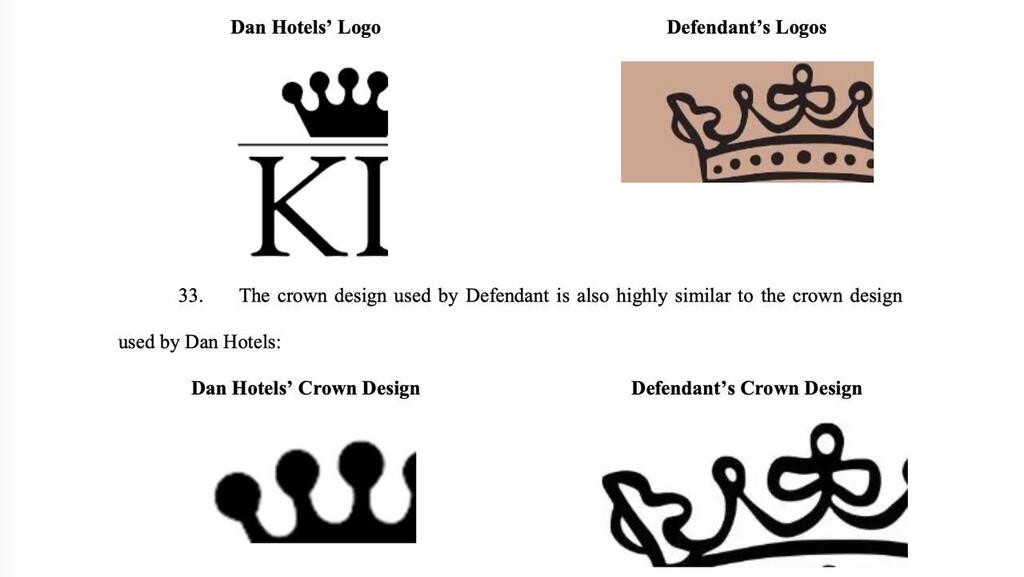
Comparison of the logos
(Photo: From the lawsuit)
Dan Hotels is asking the court to issue an injunction preventing the American operator from using the branding, to order the removal of existing signage, the return and destruction of branded goods, and payment of damages and legal fees. The complaint notes that the King David brand “has a significant reputation built over decades,” which “should not be put at risk due to the actions of another party over which Dan Hotels has no control.”
A hotel with history
The King David Hotel in Jerusalem officially opened in 1931 at the initiative of the Jewish-Egyptian banking family Mosseri, intended as the first true luxury hotel in the Middle East offering high European standards. The architectural design evoked a biblical palace, with panoramic views of the Old City walls, Mount Zion, and the Tower of David, inspiring its royal name.
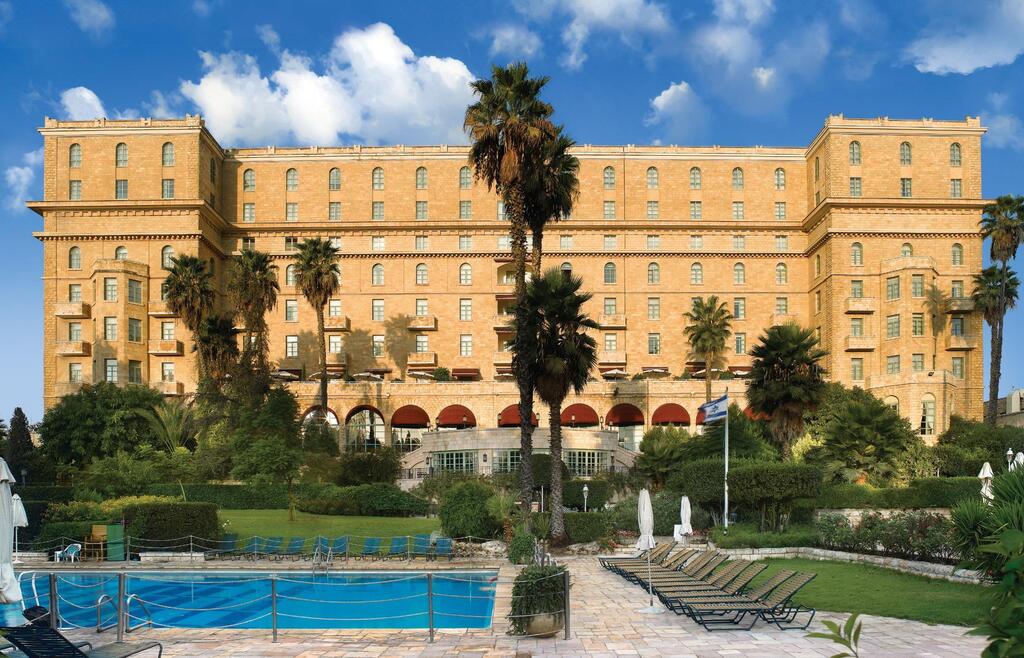
The King David Hotel in Jerusalem
(Photo: Yoram Aschheim)
The entrance, however, was designed in an Assyrian style to reflect King David’s era, the reading room was inspired by Solomon’s palace, and the dining hall featured Greco-Syrian architectural style. The unprecedented luxury, high service levels, and rigorous security arrangements made the hotel a destination for the world’s wealthy, and it quickly became the social and political hub for elites, hosting exiled kings such as Alfonso XIII of Spain, George II of Greece, and Emperor Haile Selassie of Ethiopia.
The British authorities, who admired the hotel’s prestige, commandeered large sections of the building during the 1930s Arab revolt to serve as the Mandate government secretariat, effectively turning the hotel into a fortified location.
On July 22, 1946, Irgun operatives planted explosives in the hotel hidden in milk containers, detonating them in the basement restaurant “La Regence” directly under the Mandate secretariat. The blast destroyed all six floors of the south wing, killing 91 people—including British officials, Arabs and Jews—and injuring dozens more. After the British left and the Israeli War of Independence concluded, the hotel was restored to its original purpose and later acquired by Dan Hotels, which made it its flagship property, hosting kings, presidents and heads of state from around the world to this day.
Dan Hotels told ynet in response to inquiries: “As a policy, we do not comment on legal matters.”