


Amid ongoing war, rising antisemitism and Israel’s image crisis, do events like October 7 push Jews in the diaspora toward Aliyah or away from the Zionist ideal? Zev Gershinsky, VP of Nefesh B’Nefesh, offers a surprising answer: “October 7 and the war clarified something for some Jews in the diaspora. It made them think about who they are and where they want to belong, and we’re seeing that reflected in actual Aliyah.”
Nefesh B’Nefesh, which facilitates Aliyah from North America, has long faced the challenge of attracting immigrants from wealthy, liberal countries. In the wake of the trauma of October 7 and the war, the organization has recorded high numbers — about 3,000 new immigrants this year.

“Immediately after the war began, we saw a sharp rise in Aliyah applications,” Gershinsky said. “At first it seemed symbolic — an act of solidarity as Jews in the diaspora — but over time, these symbolic actions turned into actual immigration. People are now arriving in Israel.”
When asked what motivates new immigrants — the situation in Israel and desire to support it, or antisemitism pushing them out — Gershinsky said responses were surprising. “Everyone talks about Zionism, that Israel is home and that it’s their dream they won’t give up. A few mention antisemitism, but most say that ‘Iron Swords’ made them rethink where they truly belong.”
Many immigrants also see Aliyah as a chance to start fresh and pursue new career paths. Examples include a doctor in Modiin who became a peanut butter maker, a financial advisor turned chocolatier, a whiskey distillery in the Golan, a bakery in Yeruham and a brewery in Gush Etzion.
Still, the numbers are modest. Out of roughly six million Jews in North America, only a few thousand immigrate each year. Gershinsky noted that the main competitor isn’t Israel’s security or housing market — but Florida Governor Ron DeSantis.
“Florida is a state where most Jews feel comfortable,” he said. “There’s sun, good weather and a political climate that suits many residents. People want to choose where they live rather than being forced out. That desire for choice is a key factor pushing some to make Aliyah now.”
The current wave of immigration also has a multiplier effect. “New immigrants’ experiences create future demand. People share their stories with friends and family, attracting more immigrants. Success depends on providing a good absorption experience, quality education for children and a welcoming environment.”
Regarding antisemitism on campuses, Gershinsky said, “There are some cases, but not a broad trend. Many Jewish students feel constrained in academia, but the appeal of top universities remains strong. Most will stay and navigate the challenges rather than leave.”
Looking for a growth engine for the country?
The process from opening an Aliyah application to a new immigrant physically arriving in Israel is long, resource-intensive, and full of uncertainties. Gershinsky said, “Our labor costs have risen significantly in recent years, but we want to provide high-level service, remove barriers and give immigrants the feeling that someone is guiding them hand in hand, helping them make the right decisions.”
“In a world of high demand, to maintain that level of guidance and service, I need more personnel. More staff means more costs. Ultimately, excluding the cost of the flight, handling each immigrant costs around $3,500,” Gershinsky explained.
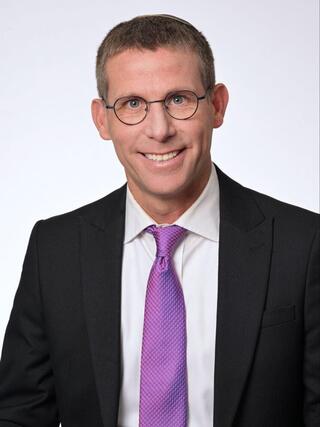 Zev Gershinsky, VP of Nefesh B’NefeshPhoto: Yossi Zwecker
Flights have become increasingly complex in recent years. While the government funds a free flight for every immigrant, rising costs, limited routes and instability in the aviation sector have led the agency to let immigrants decide whether to pay for their own tickets. Those who decline are still covered by the state. About 25% of immigrants choose to pay out of pocket.
Research shows that for every shekel invested in a new immigrant, the economy gains 3.8 shekels in return. “If the state is looking for a growth engine, it’s right here,” Gershinsky said. “Most immigrants are of working age, many are highly educated and they earn well. They are productive, find work within months and immediately begin paying income tax and entering the consumer economy.”
Gershinsky emphasized, “It’s most important that people understand what they’re getting into. Proper preparation ensures successful absorption. In the first years, the goal is to establish solid foundations in Israel. Professionally, it might even make sense to continue your previous work remotely. For entrepreneurial dreams, we connect immigrants with experienced professionals or local producers to learn before taking the leap. We also have a matchmaking department linking immigrants to jobs in Israel. Training professionals like doctors is a huge investment that pays off immediately as they enter the workforce — an enormous gain for the country.”
Immigrants who changed careers: the doctor who became a peanut butter maker
Jason Cohen, who immigrated from New Jersey, transitioned from anesthesiology to founding Holy Butter, a natural peanut butter brand. “I grew up in North America enjoying rich, high-quality peanut butter. After immigrating, I realized Israeli peanuts could create a pure, healthy product,” he said. Since launching in 2020, Holy Butter now supplies ice cream shops, smoothie stores and restaurants across Israel.

Jason Cohen, founder of Holy Butter
(Photo: Seth Aronstam)
Another example is Yosef Ortega from California, who left a career in pastry and marketing to open a craft brewery in Gush Etzion with partners Yair Cohen and Gideon Lang. Their project, “Tziona Israeli Alcohol,” sells Israeli-made beer and whiskey and hosts events for up to 40 people. Ortega says the business is approaching break-even after three years, with the goal of making “Tziona” synonymous with Israeli alcohol.

Founders of Gush Etzion Brewstillery
(Photo: Gush Etzion Brewstillery)
Ariel Pollock Star, who immigrated from Ohio, founded a cooperative bakery in Yeruham. She said, “During COVID-19, feeling isolated, I realized cooking could create community and local economic opportunities. Over time, we added mental health initiatives, and today our business — including a café, catering and specialty condiments — supports at-risk populations while fostering social resilience.”

Ariel Pollock Star, founder of a bakery in Yeruham
(Photo: Private Album)