

The Tax Authority plans to use artificial intelligence to review 100% of tax reports, up from about 4% today, the agency’s director said at the Eli Hurvitz Conference on Economy and Society in Jerusalem.
Tax Authority Director Shay Aharonovich said the shift would allow the agency to sharply expand enforcement without imposing new taxes on the middle class. “With the entry of artificial intelligence, we expect to move to reviewing 100% of all reports, while today we scan only 4%,” Aharonovich said.
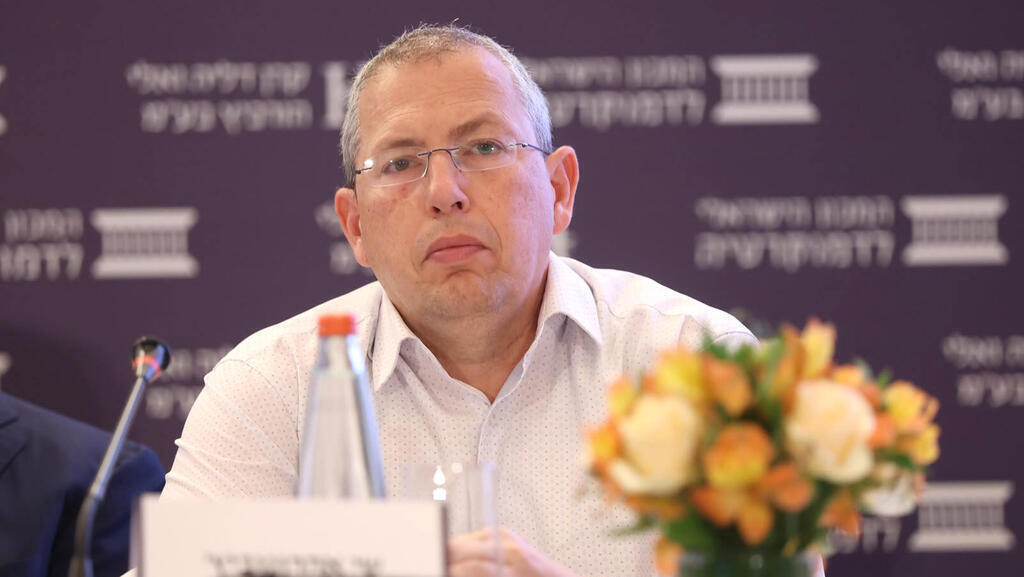
He said the authority had already compared capital declarations in its systems with other reports and found discrepancies totaling 20 billion shekels.
Aharonovich said he opposes additional taxes on the middle class and believes Israel can increase tax revenue in other ways. He said the authority supports canceling the VAT exemption on fruits and vegetables, reducing the VAT exemption on purchases in Eilat, advancing a mileage tax and reviving a property tax on land. “People buy gold bars without VAT and leave them in Eilat,” he said, referring to use of the city’s tax-free status.
Aharonovich also said the Tax Authority would need to reexamine the trapped profits reform and assess its impact.
He defended tax increases enacted in recent years, saying they had been necessary. Tax revenue reached 509 billion shekels in 2025 instead of 460 billion, he said, adding, “You can imagine what level of deficit we would be at today.”
He said the authority’s 2026 revenue forecast was recently raised from 540 billion shekels to 560 billion shekels. The official update is expected to be published soon in the government’s fiscal outlook document.
Budget Commissioner Maharan Frozenfar said at the conference that he opposes tax increases in principle and that Israel needs steps to increase net income. But he said doing so requires difficult decisions on national priorities.
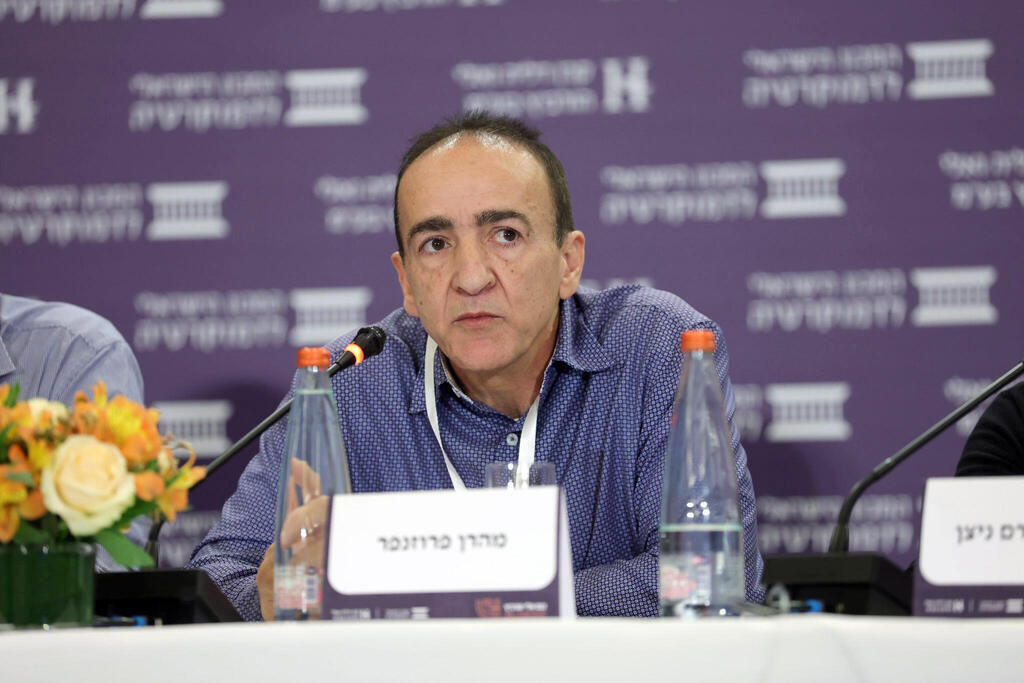
Budget Commissioner Maharan Frozenfar
(Photo: Oded Karni)
Frozenfar focused on the defense budget, calling it the largest item in the state budget. He said Israel must formulate a new security doctrine, update its reference scenario and adopt a multiyear plan.
He singled out reserve duty as one concrete issue, saying, “The economy cannot continue with this scope of reserve duty days.”
Gil Pinhas, a former financial adviser to the IDF chief of staff, said the solution to the reserve duty burden is “drafting all populations.”
Pinhas said the main question over the defense budget is not “10 billion shekels here or there,” but shaping a security doctrine and reference scenario. He said major budget challenges include rising spending on disabled IDF veterans, which he said stood at about 6.5 billion shekels and is expected to reach 15 billion shekels annually in the coming years.
He also said U.S. military aid should be reduced gradually to nearly zero, while joint U.S.-Israeli defense projects should be expanded.
Dr. Adi Brender, head of the Bank of Israel’s research department, said Israel needs “far fewer taxes and many more difficult decisions.”
Brender listed possible budget sources that he said could allow increased civilian spending and infrastructure investment without raising taxes. He cited public transportation subsidies, saying several billion shekels could be used more effectively for infrastructure because research shows service quality affects ridership more than price.
He also pointed to long-term care spending, which has risen by about 10 billion shekels more than initially forecast over the past decade because of eased eligibility criteria.
Brender cited funding for ultra-Orthodox education, saying Israel spends heavily on school systems that do not contribute to labor market skills. He also said special education budgets have expanded sharply in recent years and are not being used effectively. “If we move to a model of conscription for everyone, that would mean many additional billions, without raising taxes,” Brender said.