


A Saudi engineer employed by OpenAI was arrested and charged with secretly installing a sophisticated listening device in an executive conference room at the company's San Francisco offices. The recording device was concealed in toilet paper and plugged into a USB port on the back of a television in a room used for highly confidential meetings.
The engineer, identified as Abdulrahman Alfozan, was arrested Friday, October 9, after OpenAI discovered the device and reported the incident to the FBI. The company has since fired him.
Gallery
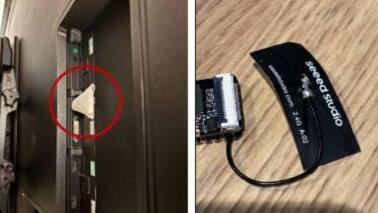
The listening device discovered in the conference room
(Photo: U.S. v. Abdulrahman Alfozan, 3:26-mj-71329)
According to federal prosecutors, OpenAI employees discovered the device on September 30 and determined that it had been installed approximately two days earlier. The device contained encrypted data and, according to the company, was equipped with advanced encryption, audio monitoring capabilities and technology designed to transfer information while evading detection.
OpenAI said it used its own artificial intelligence models to analyze the device, determine its origins and identify the employee suspected of installing it.
The company said it had immediately referred the matter to the FBI and welcomed the arrest. It stressed that investigators had found no indication that the employee improperly accessed or extracted the company's AI model weights, source code or customer data.
Security cameras and a second recording device
It remains unclear what Alfozan intended to do with any recordings. However, the company said evidence suggested he had planned to place additional listening devices elsewhere in its offices.
According to the criminal complaint, meetings in the targeted conference room frequently involved highly sensitive technical, commercial and strategic information, including proprietary research, product development, government engagements and business relationships.
Although the room did not initially have a security camera, footage from other parts of the building showed Alfozan repeatedly appearing near it during September, despite having no authorization to enter the room or attend meetings there.
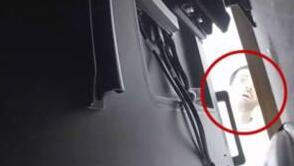
OpenAI engineer Abdulrahman Alfozan, a Saudi national, was arrested and charged with planting a listening device in the company's executive conference room in San Francisco
(Photo: U.S. v. Abdulrahman Alfozan, 3:26-mj-71329)
OpenAI subsequently installed a camera inside the conference room. On October 5, it recorded Alfozan entering and apparently checking behind the television where the listening device had been discovered, according to prosecutors.
Investigators also found that Alfozan had used an internal productivity tool to seek information about meeting rooms, building layouts and executive locations. The criminal complaint described additional chatbot inquiries associated with the suspected surveillance operation.
On October 5, Alfozan allegedly left a bag unattended in another room at an OpenAI office. When company security personnel opened it, they discovered his wallet, identification documents and a second recording device similar to the one found in the executive conference room.
US officials warn of national security implications
U.S. Attorney General Todd Blanche described the allegations as extremely serious, warning that attempts to steal sensitive conversations involving advanced artificial intelligence technology could threaten American national security.
Director of National Intelligence Jay Clayton also addressed the case, linking it to the growing international competition over advanced AI capabilities.
Clayton said the incident demonstrated the importance of protecting American technological innovation from foreign threats and emphasized the Trump administration's efforts to maintain U.S. leadership in the global race to develop superintelligence.
Alfozan had worked at OpenAI since July 2025. He is charged with using or attempting to use an electronic device to unlawfully intercept oral communications.
If convicted, he faces a maximum sentence of five years in federal prison, a $250,000 fine and three years of supervised release. The allegations have not been proven in court.
The FBI investigation remains ongoing, and authorities have not publicly established whether any confidential information was successfully obtained or what Alfozan intended to do with it.