

The International Energy Agency (IEA) said Wednesday that it would release 400 million barrels of oil from strategic emergency reserves in a bid to lower prices, the largest drawdown ever from the stockpiles.
All 32 member states agreed unanimously to the release, which will be carried out on a timetable tailored to each country’s circumstances.
"The oil market challenges we are facing are unprecedented in scale, therefore I am very glad that IEA Member countries have responded with an emergency collective action of unprecedented size,” said IEA Executive Director Fatih Birol.
He added that the move was prompted by the widespread disruption in global oil and gas markets following the war in Iran. “For clarity, the most important step toward restoring the normal flow of oil and gas is the reopening of the Strait of Hormuz to shipping,” he emphasized.
The largest previous release totaled 182 million barrels of oil, launched in 2022 after prices surged following the war in Ukraine.
The proposal was raised during an emergency meeting held on Tuesday between G7 finance ministers and representatives of the energy agency after oil prices climbed above $100 per barrel.
Releasing the reserves requires unanimous approval from all member states, meaning the proposal would have been rejected even if a single country had opposed it.
The move is intended to address the severe disruptions in oil supply caused by the near-total closure of the Strait of Hormuz, which connects the Persian Gulf to global markets. Before the outbreak of the war, nearly one-fifth of the world’s oil supply passed through the strait each day. However, threats of attacks on tankers and ships by Iran have led to an almost complete halt in traffic.
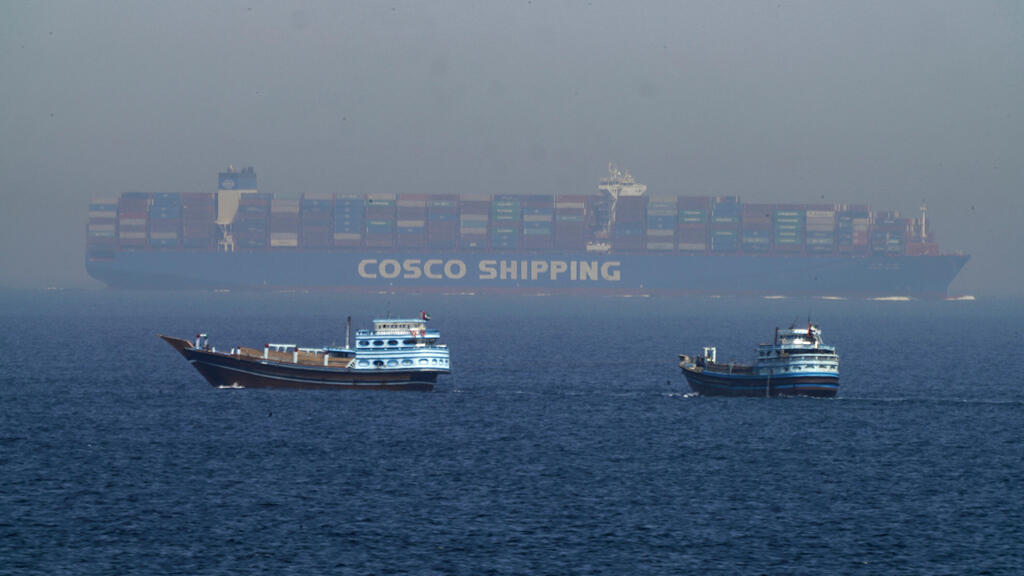
Strait of Hormuz
(Photo Jon Gambrell\AP)
Emergency oil reserves were first established in 1974 following the Arab oil embargo, which caused severe fuel shortages in Western countries. The IEA determines how much oil each member state must maintain in reserve and coordinates releases to protect economies from shocks in oil markets.
According to Birol, member countries currently hold 1.2 billion barrels in public reserves and an additional 600 million barrels in emergency stocks.
Previous releases from the reserves have produced mixed results. In 2022, prices rose by 20% after the decision, as markets interpreted the move as a sign the crisis was more severe than previously thought. Over time, however, the release helped stabilize the market.
Oil prices have risen 40% since the start of the U.S.-Israeli strikes on Iran, and economists have warned that sustained increases could reignite inflation and trigger sharp declines in financial markets.