

Satellite imaging firm Planet Labs said early Sunday that it will indefinitely withhold visuals of Iran and the region of conflict in the Middle East to comply with a request from the U.S. government.
California-based Planet Labs announced the decision in an email to customers and said the U.S. government had asked all satellite imagery providers to indefinitely withhold images of the conflict region. The restriction expands upon a 14-day delay on imagery of the Middle East that Planet Labs imposed last month, a move the firm said was meant to prevent adversaries from using it to attack the U.S. and its allies.
Gallery
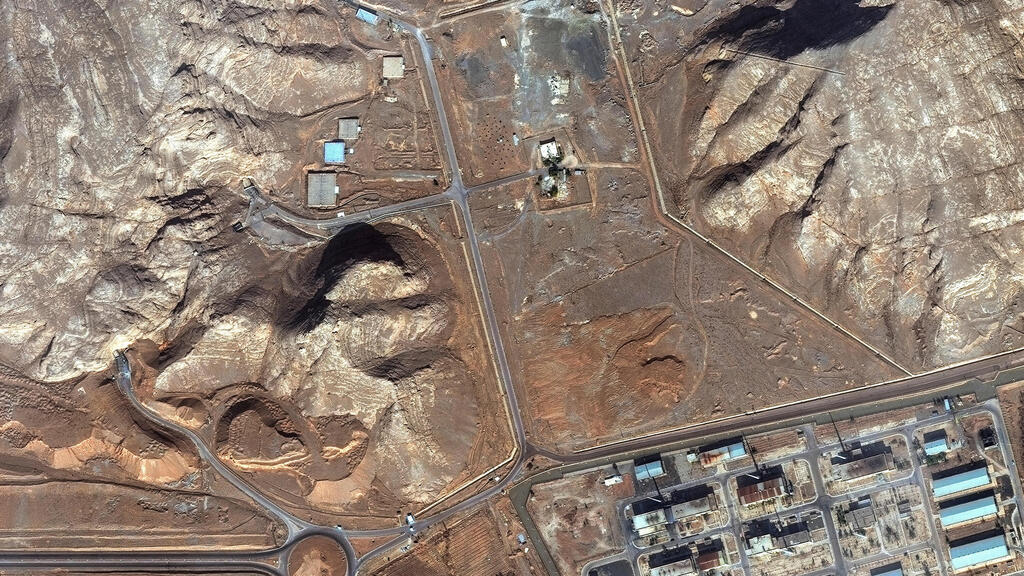
Satellite image of the Isfahan military base
(Photo: 2026 Planet Labs PBC and Vantor/Handout via Reuters)
Planet Labs said it will withhold imagery dating back to March 9 and that it expects the policy to remain in effect until the conflict ends. The war began when the U.S. and Israel attacked Iran on February 28, and the conflict spread in the region when Tehran responded by launching its own attacks on Israel and U.S. bases in Gulf states, including Saudi Arabia, Kuwait and Bahrain.
Military uses of satellite technology include target identification, weapons guidance, missile tracking and communications. Some space specialists say Iran could be accessing commercial imagery, including pictures obtained via U.S. adversaries. Satellite images also help journalists and academicians studying hard-to-reach places.
Planet Labs, which operates a large fleet of Earth-imaging satellites and sells frequently updated images to governments, companies and media, did not respond to a request for further comment.
The Pentagon said it does not comment on intelligence-related matters.
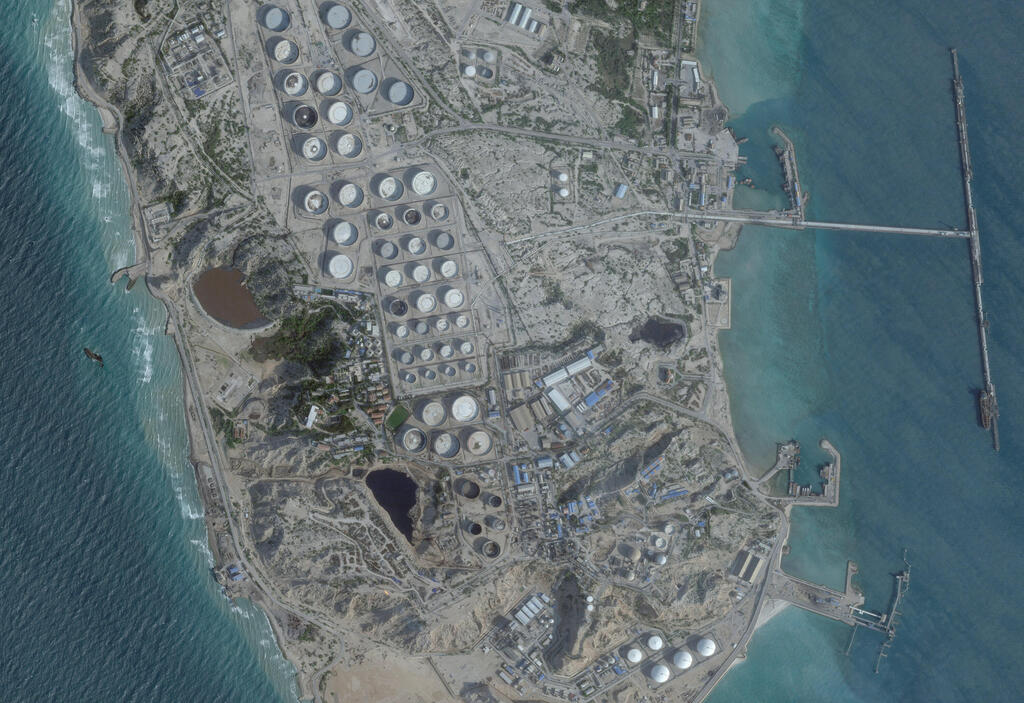
Satellite photo of Kharj Island published by Planet Labs
(Photo: Planet Labs PBC/Handout via Reuters )
Planet Labs said in its email to customers that it would switch to a "managed distribution of images" deemed not to pose a risk to safety. Under a new system, Planet Labs will release imagery on a case-by-case basis for urgent, mission-critical requirements or in the public interest.
"These are extraordinary circumstances, and we are doing all we can to balance the needs of all our stakeholders," the firm said.
One commercial provider, Vantor, formerly Maxar Technologies, told Reuters that it was not contacted by the U.S. government. The company has for years reserved the right to “implement enhanced access controls during times of geopolitical conflict” and has now applied them to parts of the Middle East, a spokesperson said in a statement.
Those controls can include limits on who can request new images or purchase existing ones of regions where the U.S. military and its allies are “actively operating,” as well as areas “actively targeted by adversaries,” the spokesperson said.
Another commercial provider contacted by Reuters, BlackSky Technology, did not immediately respond to a request for comment.