


A $750,000 deal with an Israeli company has become the center of an internal political dispute at New York City Hall. The New York Police Department announced Tuesday that it was abandoning plans to purchase an advanced cellphone surveillance system from Israeli intelligence technology company Cognyte without competitive bidding. The decision followed criticism of Mayor Zohran Mamdani from allies on the progressive left and a meeting between the mayor and Police Commissioner Jessica Tisch.
The move represents a change in direction, but not a complete cancellation of the potential purchase. The NYPD said it would open a competitive bidding process to select a supplier, allowing Cognyte to submit an offer alongside other companies.
Gallery
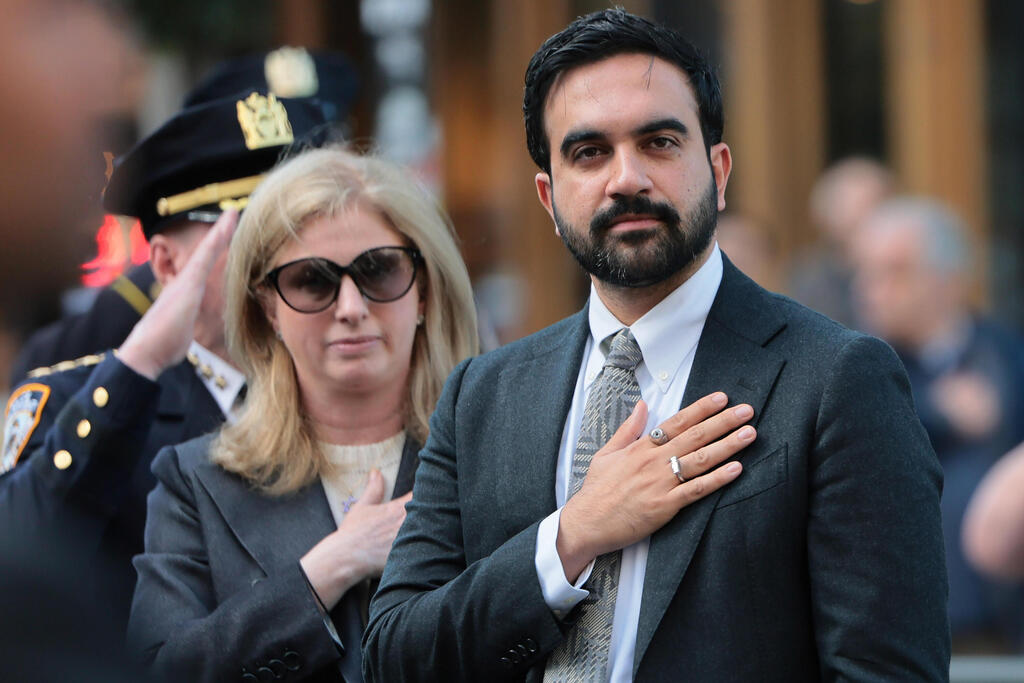
New York Mayor Zohran Mamdani and his controversial police commissioner Jesica Tisch
(Photo: Michael M. Santiago/Getty Images)
"The procurement did not meet the requirements for a sole-source purchase, so we are moving to an open and competitive procurement process," the NYPD said. It remains unclear whether the department will ultimately select Cognyte's system or choose a competing product.
The deal placed Mamdani in a difficult political position with his own supporters. During his election campaign, he promised to change the city's public safety policies, and he has previously spoken out against police surveillance technologies. A supporter of the Boycott, Divestment and Sanctions (BDS) movement against Israel, Mamdani has also directly criticized security cooperation between the NYPD and Israel. In 2023, he said that when an NYPD officer's boot is on a person's neck, "the IDF has laced it," referring to joint training involving New York police officers and Israeli security forces.
Despite those campaign positions, Mamdani has not moved to sever the department's ties with Israel since taking office. The NYPD continues to maintain a representative within the Israel Police and to conduct business with Israeli security companies.
Also at the center of the controversy is Tisch, who describes herself as a "proud Zionist" and remained in her position at Mamdani's request, despite objections from some of his pro-Palestinian supporters. Earlier this month, left-wing activists demanded her dismissal, citing, among other things, her positions on Israel and her membership in a wealthy Jewish family that has donated substantial sums to the country.
How the Israeli surveillance deal became a political flashpoint
The NYPD had been in negotiations with Cognyte since December 2025 to purchase a system called FalcoNet under a three-year contract worth approximately $750,000. The procurement process began during the administration of former Mayor Eric Adams. An official procurement document published by the city stated that the department believed the products and services it required were available exclusively from Cognyte. As recently as this week, the NYPD explained that it had evaluated several systems and concluded that the Israeli product was the best fit for its needs.
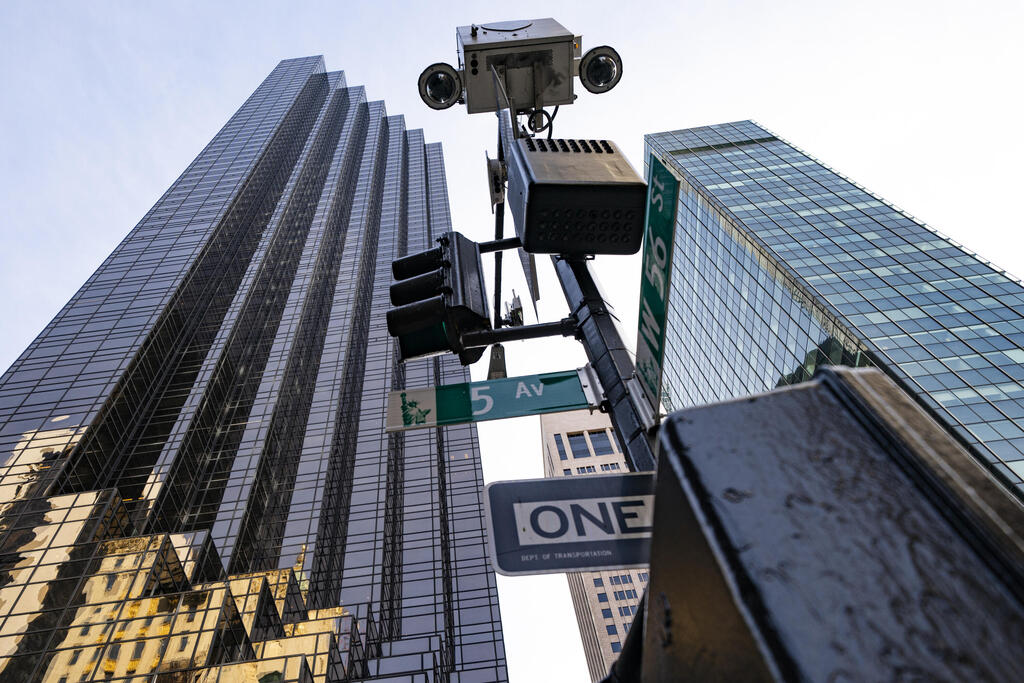
Surveillance cameras at Trump Tower in Manhattan
(Photo: John Minchillo/AP)
The AI-powered system works by impersonating a cellular tower. Phones within its range connect to the device, allowing it to capture their identifiers and help investigators determine the location of a targeted phone. The equipment can be mounted on a police vehicle or drone, or even carried in a backpack. For investigators, the advantage is clear: Rather than relying solely on existing cellular towers, they can bring tracking equipment directly to the search area. For civil liberties organizations, the concern is equally clear. Phones belonging to bystanders who are not suspected of any wrongdoing may also be detected in the process.
The initial reports sparked anger among City Council members and activists aligned with Mamdani, who is himself a member of the Democratic Socialists of America (DSA), an organization known for its criticism of Israel.
City Council member Tiffany Cabán, also a DSA member, called on the city to stop investing in what she described as "mass surveillance of New Yorkers." She argued that the purchase was particularly troubling when it involved technologies used, according to her, by governments accused of human rights abuses, including Israel, Myanmar and South Sudan. "It's time for the city to cut ties with companies that profit from human rights abuses," she said.
Council member Julie Won said she was shocked that Mamdani had even considered allowing the deal to proceed. She warned that surveillance of civilians without a warrant would damage trust between the police and the city's communities, recalling the NYPD's surveillance of Muslims in New York after the September 11 attacks.
Police defend technology as civil liberties groups demand safeguards
The NYPD, meanwhile, says cellphone location tracking systems are already used by its officers to locate suspects and search for missing people or individuals whose lives may be in danger. Police officials maintain that FalcoNet was not intended to intercept phone calls or collect text messages from devices unrelated to an investigation.
According to the department, investigative use generally requires a court warrant, except in certain defined emergencies, when a warrant must be obtained within 48 hours. No warrant is required when searching for missing people or individuals at risk of suicide. The system was to be operated exclusively by four members of a specialized technology unit.
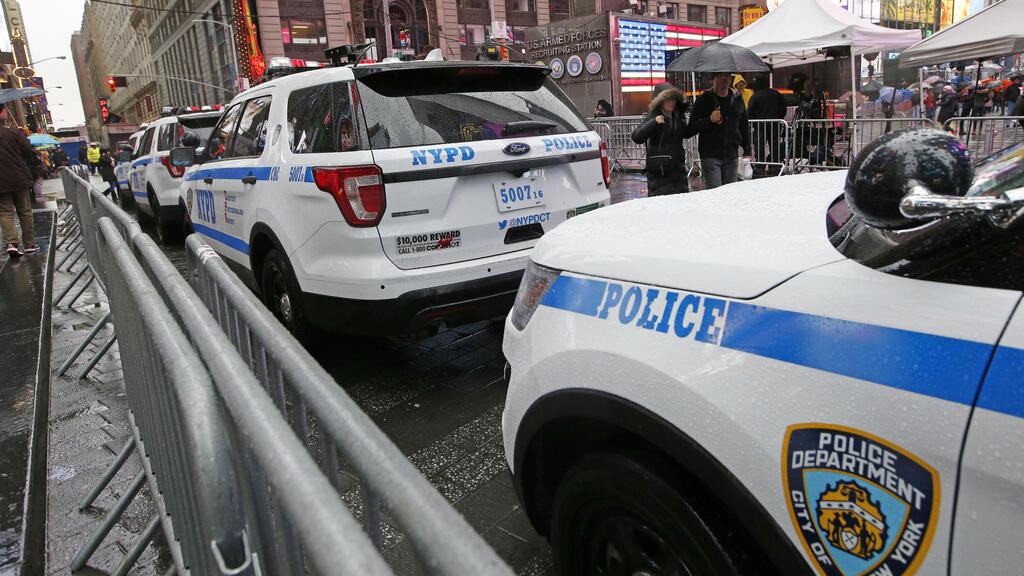
The NYPD says cellphone location tracking systems are already in use
(Photo: Kathy Willens, File/AP)
Civil liberties organizations remain unconvinced. The Legal Aid Society noted that the NYPD had previously used similar technologies more than 1,000 times without a warrant, before a formal policy governing their use was established. "This technology turns New Yorkers' phones into surveillance devices," the organization warned. Opponents are demanding independent oversight and transparency, rather than relying solely on police assurances about how collected information will be used.
Israeli company's surveillance record under scrutiny
Cognyte, headquartered in Herzliya and traded on Nasdaq, has previously faced controversy over its surveillance products. In 2023, Reuters uncovered documents showing that the company had won a tender to sell interception technology to a telecommunications operator in Myanmar before the country's military coup. Norway's sovereign wealth fund also excluded Cognyte from its investment portfolio over concerns that its products could contribute to serious human rights violations.
Financially, the proposed NYPD contract is relatively small compared with Cognyte's overall operations. The company reported approximately $400 million in revenue for the fiscal year ending in January 2026. But beyond the dollar amount, the controversy illustrates the challenges facing Israeli intelligence technology companies in an environment where privacy, human rights and attitudes toward Israel have become intertwined with political disputes.
The door to an NYPD contract remains open to Cognyte. This time, however, the Israeli company will have to compete for the opportunity.