

Israel’s Competition Authority has approved Green Lantern’s acquisition of a 49% stake in pastry and dessert company Biscotti after a seven-month review, clearing the deal at a company valuation of 500 million shekels ($137 million).
The investment fund, led by Ritchie Hunter, is acquiring the stake alongside Migdal, Clal and Discount Capital. The institutional investors will hold 30% of Biscotti together, while Green Lantern will hold 20%.
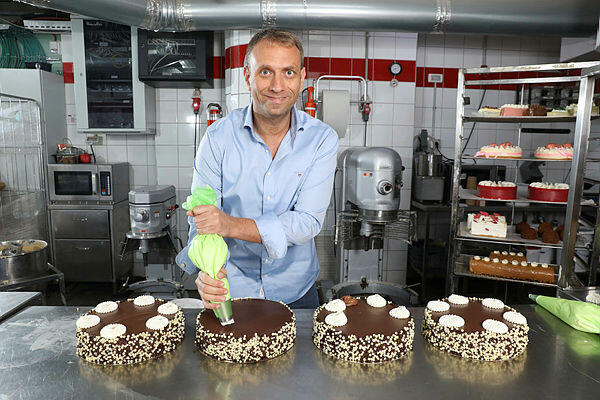
Biscotti founder and CEO Amir Porat
(Photo: Shaul Golan)
Biscotti founder and CEO Amir Porat will continue to manage the company. Porat is expected to receive about 250 million shekels ($68 million) for the shares, while Biscotti’s real estate assets will remain under his ownership.
The approval process was prolonged because the Competition Authority examined whether the deal raised competition concerns. Green Lantern also owns the French Bakery and the Shemo pastry chain. The French Bakery sells mainly frozen baked goods to bakeries, while Shemo focuses primarily on private customers. Biscotti, by contrast, sells desserts and pastries to restaurants, hotels and pastry shops.
The transaction is considered the largest deal to date in Israel’s confectionery and pastry sector.
Biscotti operates a factory in Barkan in addition to its plant in Bnei Brak and employs 800 workers. The company was founded 22 years ago and has nine company-owned sales points across the country.
Biscotti’s annual net profit is about 60 million shekels ($16 million), while its annual revenue is about 450 million shekels ($123 million).
Green Lantern’s plan is to expand Biscotti into additional food-service solutions, including ready-made pasta dishes with sauce and prepared appetizers, alongside the desserts it already supplies. The model is common abroad, especially in the United States, where companies provide restaurants, catering firms and other food-service customers with a wide range of prepared dishes, including desserts.