

The world’s largest creators of billionaires today are artificial intelligence (AI) companies. “If you look back 100 years at the data, we’ve never seen wealth created at this speed or scale before,” said Andrew McAfee, a principal researcher at MIT. “It’s unprecedented.”
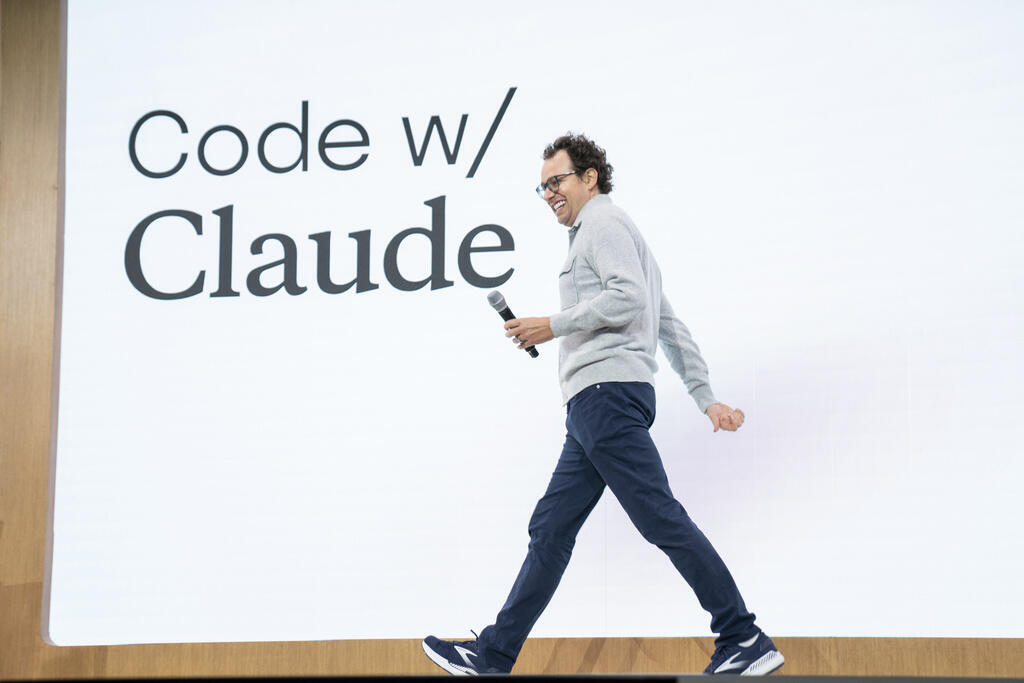
Successful funding rounds this year for companies like Anthropic, Safe Superintelligence, OpenAI, Anysphere, and other AI startups have driven valuations to record-breaking levels. Currently, there are 498 AI “unicorns”—private AI companies valued at $1 billion or more—with a combined value of $2.7 trillion, according to a report published by CNBC.
In tandem with the soaring stock prices of companies like Nvidia, Meta, Microsoft, and other publicly traded AI-related firms, alongside infrastructure companies building data centers and computing power, as well as the massive salaries for AI engineers, artificial intelligence is creating personal wealth on an unprecedented scale.
For example, Mira Murati, who left OpenAI last September, launched Thinking Machines Lab in February. By July, she had raised $2 billion in what is considered the largest seed funding round in history, giving her company a valuation of $12 billion, according to reports. Meanwhile, Anthropic AI, the company behind the Claude AI model, is negotiating to raise $5 billion at a valuation of $170 billion—almost triple its valuation from March of this year. CEO Dario Amodei and his six co-founders are likely already multi-billionaires.
Similarly, Anysphere was valued at $9.9 billion in a June funding round, and just weeks later, its valuation doubled to around $20 billion, making its 25-year-old founder and CEO, Michael Troel, a billionaire.
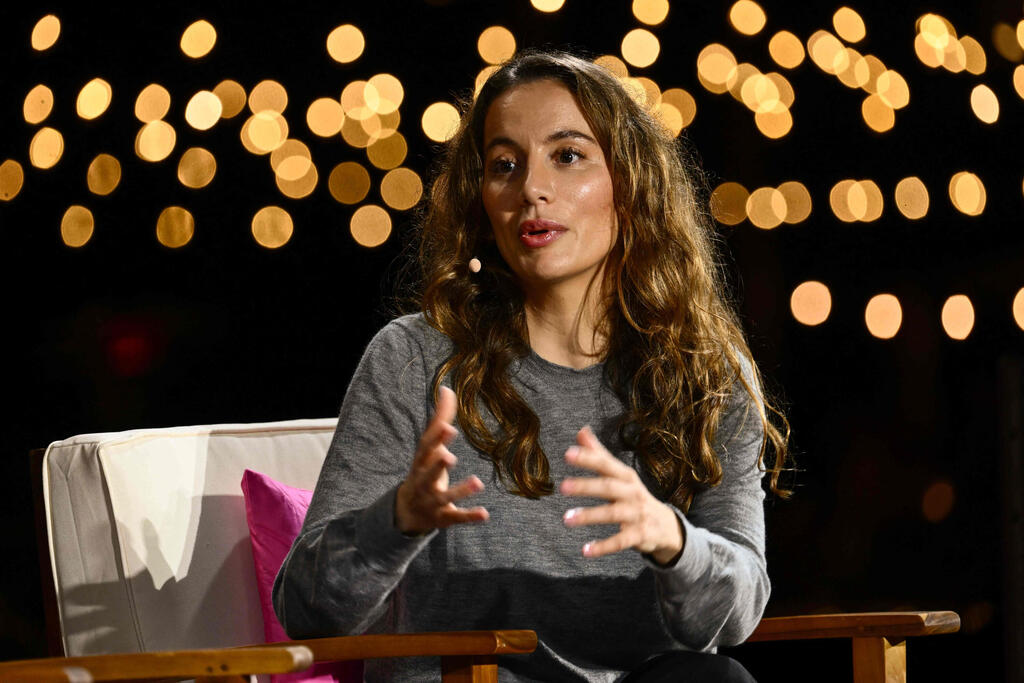
Mira Murati
(Photo: Patrick T. Fallon / AFP)
It’s worth noting that most of the wealth generated by AI remains tied up in private companies, making it difficult for shareholders and founders to cash out at this stage—at least until an exit or a public offering. Unlike the dot-com boom of the late 1990s, when a flood of companies went public, today’s AI startups can remain private for longer thanks to steady funding from venture capital firms, sovereign wealth funds, family offices, and other tech investors.
The rise of AI, concentrated largely in Silicon Valley, recalls memories of the dot-com era. Last year, Silicon Valley companies raised over $35 billion in venture funding, according to the Silicon Valley Institute for Regional Studies. San Francisco now boasts more billionaires than New York City, with 82 compared to New York’s 66, according to New World Wealth and Henley & Partners. Additionally, the Bay Area’s millionaire population has doubled over the past decade, compared to 45% growth in New York.
“The people who know how to found, fund, and grow tech companies are in the same place,” said McAfee, who is also the co-director of MIT’s Initiative on the Digital Economy. “I’ve been hearing for 25 years that ‘Silicon Valley is over’ or that some other place is the ‘new Silicon Valley.’ But Silicon Valley remains Silicon Valley.”
The housing market reflects this continued dominance. Last year, more homes priced above $20 million were sold in San Francisco than in any other year in history, according to Sotheby’s International Realty. Rising rents, home prices, and demand in the city, largely driven by AI, mark a sharp turnaround for a city that faced decline just a few years ago.
“This wave of AI is incredibly geographically concentrated,” McAfee said. “The people who know how to build, fund, and scale tech companies are all there. Silicon Valley is still Silicon Valley.”
The immense wealth generated by AI may present challenges for traditional wealth management firms. Simon Krinsky, a senior executive at Pathstone and former managing director at Hall Capital Partners in San Francisco, said that the new AI-rich are likely to follow patterns similar to the newly wealthy of the dot-com boom in the 1990s. Initially, dot-com millionaires and billionaires used their liquidity and excess assets to invest in similar tech companies through their networks, peers, or shared investors. Krinsky believes the same will be true for AI billionaires: “Everyone was investing with their friends in the same kinds of companies that created their wealth.”
However, the ultra-wealthy AI founders will eventually recognize the need for traditional, personalized services that only wealth management teams can provide, whether for tax planning, inheritance and estate planning, philanthropic advising, or portfolio diversification. “After people got burned or hurt in the early 2000s, they began to appreciate the importance of diversification and often hired professional managers to protect them from themselves,” Krinsky said. “I expect a similar trend with the AI group.”