

During the 1990s, especially between 1995 and 2000, excitement over “internet companies” reached its peak. Hundreds of startups ending in “.com” were traded on Wall Street at astronomical valuations, with investors pouring money into any company that claimed to be “doing something with the internet,” even if it had no clear product or viable business model.
At the time, Barron’s published a prescient article warning that the “internet bubble” was about to burst. Just days later, shares of Quepasa.com—then one of the hottest companies in the industry—plunged more than 60 percent in a single day, becoming a symbol of the dot-com crash that followed.
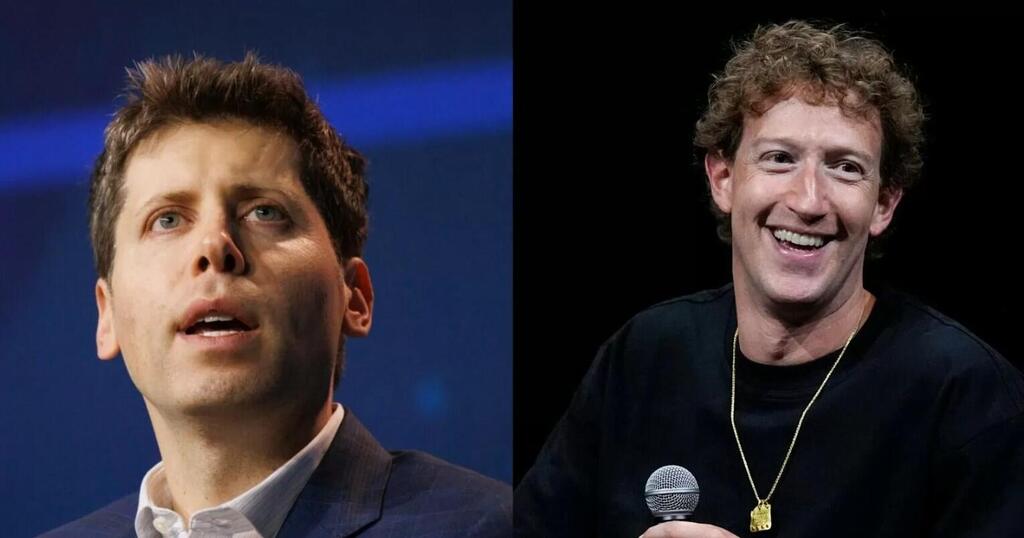
Nearly 25 years later, some see a similar pattern around the artificial intelligence boom. Once again, expectations are sky-high, money is flowing without pause and the promises sound almost messianic. But signs are emerging that the reality may be far less dazzling.
95% of AI investments fail
This week, one of the world’s most prestigious academic institutions, the Massachusetts Institute of Technology, added its voice to the skeptics. Researchers at MIT released an extensive report based on interviews with 150 executives and 350 employees, concluding that the overwhelming majority of the massive investments in generative AI have produced no return.
According to the report, only about 5 percent of AI systems implemented in organizations delivered real value to companies. “Despite investments totaling $30 to $40 billion, our findings show that 95 percent of organizations are seeing no return on their spending,” the researchers wrote.
The study also noted that many AI tools under development are being rejected by organizations that consider them too costly, cumbersome or simply not useful enough. Employees, however, are embracing AI—though not company-provided systems. Instead, they are turning to popular consumer tools such as ChatGPT.

(Photo: Shutterstock)
The troubling report has not remained within academic circles. Shares of companies seen as symbols of the “AI trend”—including Nvidia, Palantir and even SoftBank, a major backer of OpenAI—have taken a hit in recent days.
At the center of the storm is Sam Altman, CEO of OpenAI and the most recognizable face of the AI revolution. After months of hinting that artificial general intelligence—machines with human-level capabilities—was just around the corner, Altman suddenly struck a pessimistic tone. In a recent internal company event, he warned: “Someone is going to lose a phenomenal amount of money. People got overexcited.”
GPT-5: The flop that became a public relations stain
Adding to the flood of troubling data is a major image crisis for Altman and OpenAI, which erupted just days before the report was released: the disappointing launch of GPT-5. It was supposed to be the company’s big moment—the unveiling of the latest model that ignited the entire industry.
In the run-up to the launch, Altman gave multiple interviews, warning about the growing power of artificial intelligence and describing the new model as a leap forward. “If GPT-4 felt like talking to a college student, then GPT-5 feels like talking to a PhD candidate,” he claimed.

Sam Altman
(Photo: Reuters)
In practice, however, users encountered a lackluster model, with artificial-sounding writing, responses that were too short and an inability to handle even basic tasks. The backlash came swiftly, with social media filling up with examples of GPT-5’s shortcomings, joined by harsh criticism from experts and the tech press.
Public pressure mounted to such a degree that OpenAI was forced to backtrack, restoring access to earlier versions of the model after initially blocking them. The irony was hard to miss: one of GPT-5’s touted strengths was supposed to be its ability to decide on its own which model to use behind the scenes, depending on the complexity of the task.
Productivity? Not really
Back to the MIT report: AI boosters have long promised investors and users a sharp rise in productivity. But the study found the reality is just the opposite. Employees using AI tools are spending extra time fixing mistakes, verifying information and making sure the models don’t generate serious errors.
Daron Acemoglu, one of the MIT economists behind the research, estimated that AI will add only 0.5 percent to productivity and 1 percent to GDP growth over the next decade—a forecast that directly contradicts Silicon Valley’s grand vision of trillions of dollars in added value.

Mark Zuckerberg
(Photo: Screengrab)
And consider this: not long ago, reports highlighted Meta CEO Mark Zuckerberg’s massive investments in AI, including high-profile talent hires and claims that “company researchers have already seen AI that can correct itself.” But suddenly, things seem to be shifting.
Reports indicated Wednesday that Zuckerberg has decided to reorganize Meta’s artificial intelligence division—created only a few months earlier—with significant staff cuts. It may not be a retreat, but it is a sign that even the most committed believers recognize that something has changed.
The big question remains: is artificial intelligence just another bubble waiting to burst, or is this a natural slowdown in a field whose potential we are only beginning to glimpse? It may be too soon to say, but the signs are piling up—disappointing reports, underwhelming products and sky-high expectations with little to back them.