

Since October 7, Microsoft has faced ongoing protests from employees demanding the company cut its ties with Israel. The demonstrations reached a new peak late Tuesday, when police arrested seven people after they occupied the office of Microsoft President Brad Smith.
According to the activist group No Azure for Apartheid, some of those arrested are current and former Microsoft employees. The protesters livestreamed themselves on Twitch, showing the group packed inside Smith’s office as police moved in to arrest them. Later, Smith confirmed to reporters that two of those detained are company employees.
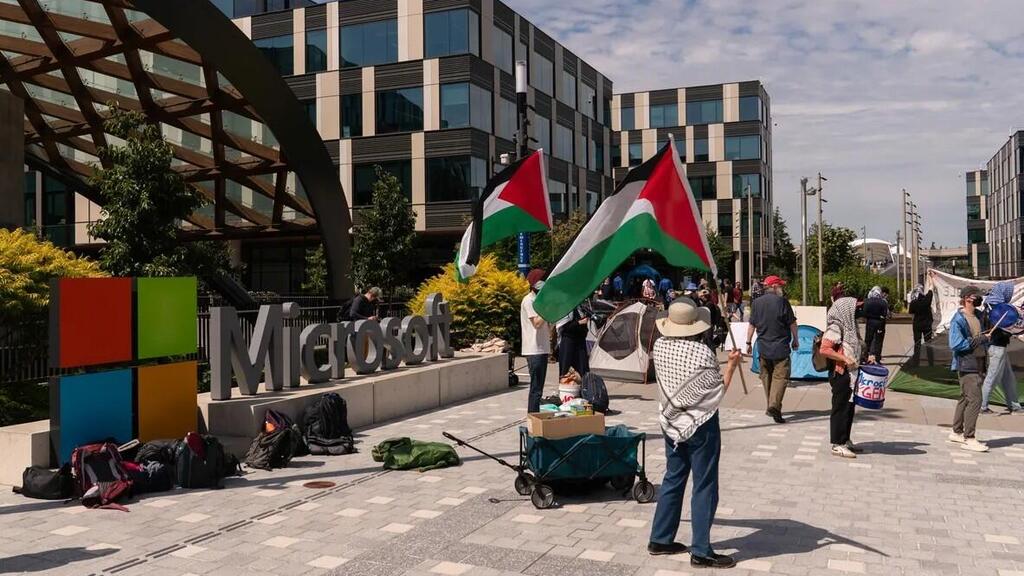
Just last week, 20 demonstrators were arrested at the company’s Redmond, Washington, headquarters after setting up blockades and refusing to disperse. They later moved to public areas outside the offices. At the time, Smith stressed that Microsoft would not engage with outside groups. “We treat this as a matter of law enforcement,” he said.
Microsoft turned to FBI for help
Meanwhile, Bloomberg reported Tuesday that Microsoft has taken multiple steps to contain pro-Palestinian employee activism, including contacting the FBI, cooperating with local authorities, deleting internal content and firing protest leaders. Despite these measures, workers’ groups continue to organize campaigns inside and outside the company, using emails, loud demonstrations and disruptions of corporate events.
The driving force has been the No Azure for Apartheid collective, which claims Microsoft’s Azure cloud and AI tools are used by the Israel Defense Forces and other security agencies, allegedly contributing to harm against Palestinian civilians. Microsoft has firmly denied the allegations.
Responding to the criticism, Smith said Microsoft requires customers to comply with international human rights laws and that its terms of service prohibit misuse of its products. “If we discover any customer using our technology in violation of our terms, we will act to address it,” he said.
Microsoft also opened an internal investigation following media reports that the IDF had used its servers to store data on Palestinians’ phone calls. A previous probe, commissioned by the company, found no evidence its software had been used to harm civilians.
Internal unrest since October 7
The internal protest movement gained momentum after Hamas’ October 7 attack on Israel. Initially, Microsoft executives expressed support for Israeli and Jewish employees, but internal forums soon filled with pushback from Palestinian staff and allies who accused leadership of ignoring their concerns.
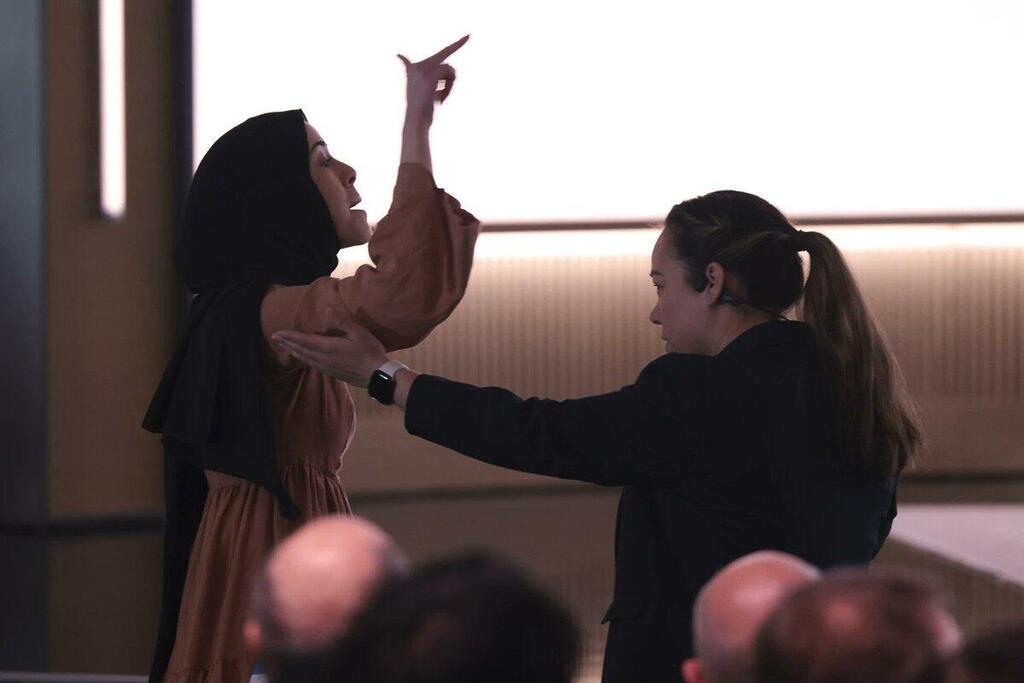
Ibtihel Abu-Saad, one of the engineers fired by Microsoft
(Photo: From social networks)
The protests climaxed in April during Microsoft’s 50th anniversary celebrations, when two employees — Vania Agrawal and Ibtihal Abu-Saad — disrupted speeches by senior executives, including CEO Satya Nadella, shouting slogans and throwing keffiyehs on stage.
In another case, engineer Joe Lopez confronted Nadella during the company’s annual developer conference, accusing him of “perpetuating war crimes.” Lopez was removed from the event and fired the same evening. In total, dozens of former employees have been blacklisted and warned not to contact active staff. Microsoft even referred some protesters to the FBI.
Although the protest group counts only about 200 members — a fraction of Microsoft’s 200,000 employees — the activism has generated public attention and raised awareness inside the company. Reports say many recent employees' questions at internal meetings have focused on the issue.
Activists acknowledge it is unlikely Microsoft will sever its business ties with Israel but say their goal is to maintain public pressure, hoping global opposition to Israel’s policies will fuel the movement.v
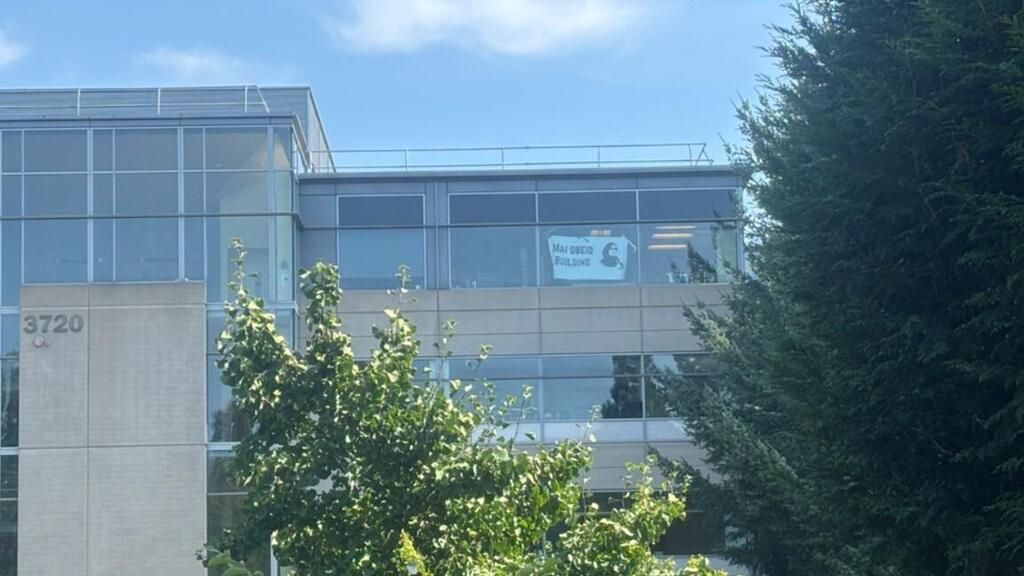
A sign hung by pro-Palestinian protesters after entering Smith's office
(Photo: From social networks)
Microsoft is not alone. Google also faced pro-Palestinian employee demonstrations, petitions and workplace disruptions, leading to the dismissal of dozens of activists last year. Amazon employees launched a petition signed by 1,700 workers, but the company strongly pushed back, citing its ban on political protests in the workplace.
Pro-Palestinian activists continue to leverage their roles at major tech companies to advance their cause. But large corporations — especially those mindful of U.S. government relations — have responded with crackdowns and firings.
The dynamic reflects the global nature of the tech workforce, which includes employees from countries often critical of Israel, such as Pakistan and South Africa. For now, Israel benefits from its central role in the tech sector and the U.S. government’s preference for maintaining the status quo — but, as observers note, that may not last forever.