

Just six weeks after the defense budget was urgently increased by about 32 billion shekels ($10.7 billion), the IDF and Defense Ministry are demanding another 40 billion shekels ($13.3 billion) amid continued deployments in Gaza, Lebanon and Syria and preparations for possible renewed fighting with Iran
About a month and a half after Israel’s defense budget was urgently increased by some 32 billion shekels ($10.7 billion) to roughly 144 billion shekels ($48 billion) amid the second Iran war, the IDF and Defense Ministry are submitting a new demand to raise it by another 40 billion shekels ($13.3 billion).
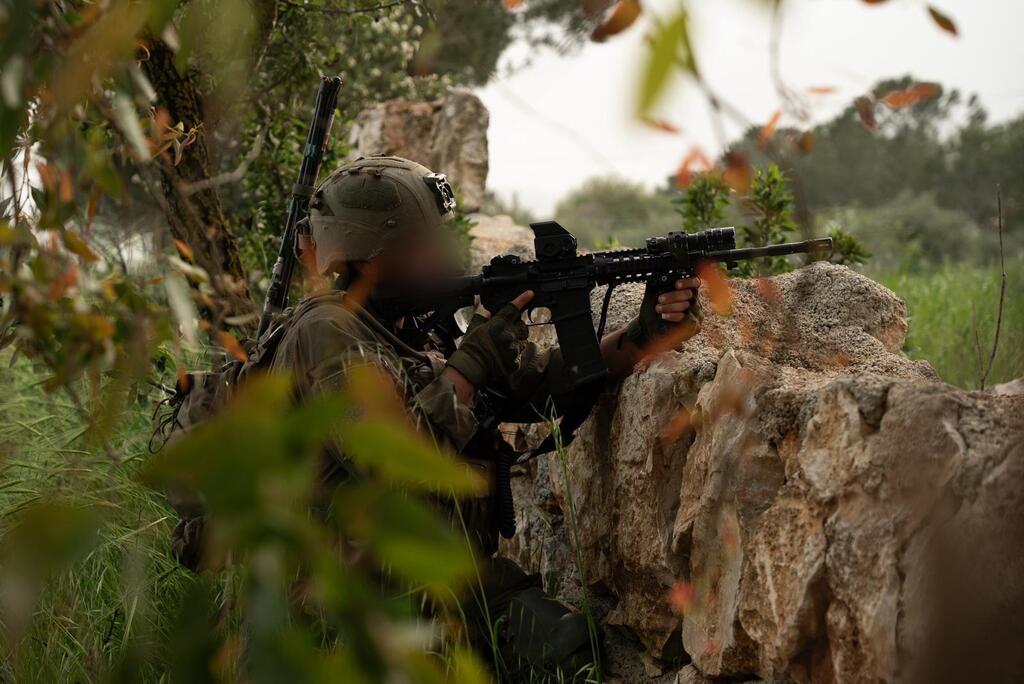
The request comes because of continued intensive military activity in security zones in Syria, Lebanon and Gaza, the need to maintain a high level of readiness for a possible renewal of the war with Iran and increased troop deployment in the West Bank.
A discussion on the matter is scheduled to be held Monday by Prime Minister Benjamin Netanyahu, with representatives of the Finance Ministry, National Security Council, IDF and Defense Ministry. If the demand is approved in full, Israel’s 2026 defense budget will reach an unprecedented 184 billion shekels ($61.3 billion).
Even after the defense budget was significantly raised in the early days of the second Iran war, from 112 billion shekels ($37.3 billion) to 144 billion shekels ($48 billion), the defense establishment argued that the increase would not be enough to meet the many operational demands placed on the IDF by the political leadership. Military and defense officials said even then that, given the scope of the missions, a budget of at least 177 billion shekels ($59 billion) would be needed by the end of the year — a figure that has now been revised upward.
“It is impossible to continue operating at the same level of activity with the same budget framework,” a senior defense official told Calcalist. “The budget framework must be adjusted to the many demands placed on the IDF and the defense establishment, or we will be forced to significantly scale back operations, reduce the number of reserve forces deployed on the fronts and cancel commitments and orders made to defense industries and suppliers.”
As in previous rounds in which the defense establishment forced the Finance Ministry to increase the defense budget, it is again sticking to its familiar claim that the ministry is deliberately underfunding it. Defense officials say the Finance Ministry’s approach reflects its attempt to control the IDF’s budget pipeline in practice, amid an ongoing crisis of trust between the sides.
At the meeting with Netanyahu, the Finance Ministry is expected to oppose the demand by the army and Defense Ministry and again insist that they manage spending responsibly within the budget framework already set for them.
“This is insane,” Finance Ministry officials said in response to the new demand. “All Israeli citizens will pay this price for years to come. This is a situation in which the defense establishment lacks the ability and capacity to manage a budget. These are inflated demands, and every billion shekels ($333 million) will cost all of us in education, welfare and health care.”
A senior defense official responded: “You cannot have it both ways.”
Israel bogged down on all fronts
A significant part of the new budget demand stems from the cost of maintaining reserve forces at levels far above those planned at the beginning of the year. While the 2026 budget discussions accounted for the mobilization of about 40,000 reservists, on the eve of the second Iran war the number had climbed to about 110,000, at a total cost of roughly 30 billion shekels ($10 billion). Since then, the number has fallen slightly and now stands at about 100,000 reservists deployed across all fronts.
These are the same fronts that have occupied the IDF since the outbreak of the October 7 war, consuming enormous resources. In none of them has Israel yet achieved a decisive military outcome.
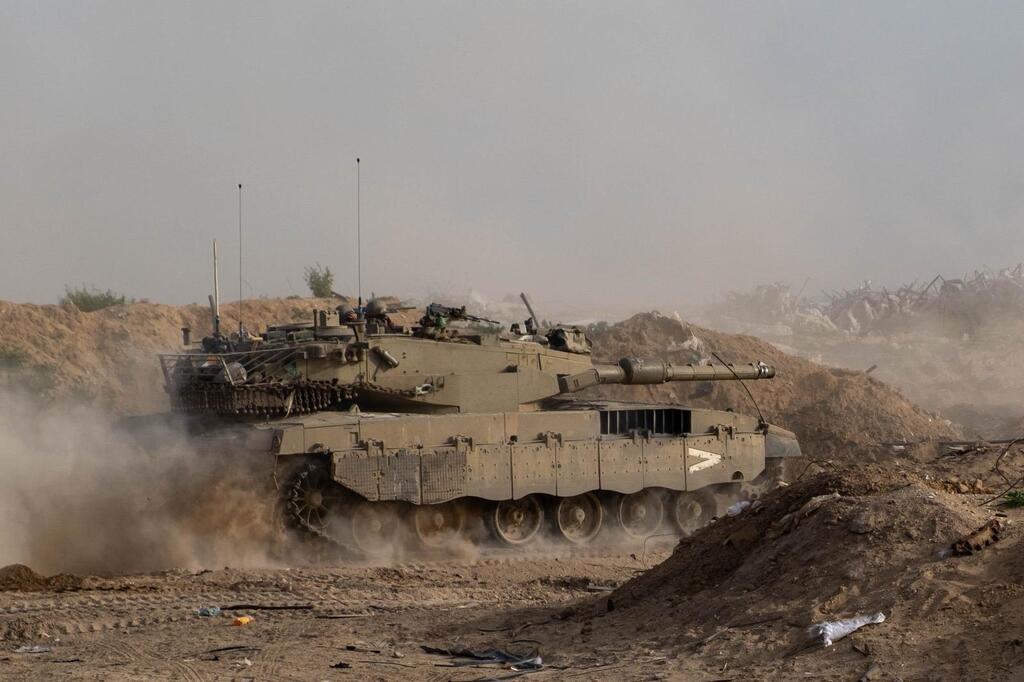
(Photo: IDF)
The IDF is deployed deep inside the Gaza Strip, controls about 60% of its territory and serves as a buffer between the Gaza border communities and population centers inside the enclave. At the same time, Hamas continues to control Gaza, rebuild capabilities and defy Netanyahu’s repeated pledges to destroy the terrorist organization.
The stagnation in Gaza is compounded by Israel’s prolonged deployment along the new security zone the IDF has established inside Lebanon, about 8 kilometers deep and nearly 100 kilometers long, stretching from the coast to the Syrian border. The zone was created to push Hezbollah’s anti-tank missile range away from northern Israeli communities.
A ceasefire imposed on Israel by U.S. President Donald Trump has restricted Israeli offensive action against Hezbollah and prevents the IDF from striking its infrastructure in Beirut and deeper inside Lebanon. Over the weekend, Israelis learned of the 45-day extension of the ceasefire in Lebanon from a statement issued by the U.S. administration.
Defense officials estimate that, under current conditions in southern Lebanon, every day of maintaining troops in the security zone costs Israel about 100 million shekels ($33.3 million).
The threat posed by Hezbollah’s explosive drones guided by fiber-optic cables continues to take a toll on IDF forces deployed in Lebanon, raising questions about the utility of remaining along the new security zone. Those questions have become even sharper amid continuing launches toward northern Israeli communities. Last Thursday, Hezbollah directed an explosive drone at a group of civilians in Rosh Hanikra, seriously wounding one of them.
Readiness for possible renewed war with Iran
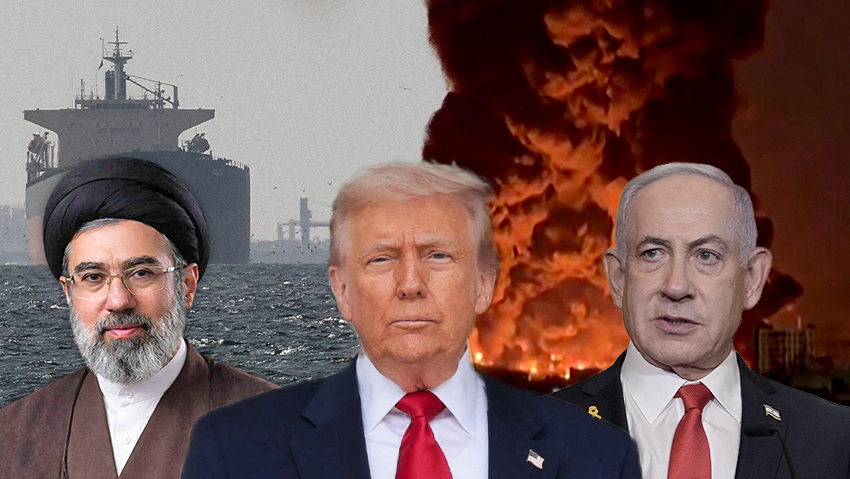
In the background is Iran. The war with Tehran was halted in early April after 40 days of intensive Israeli and American strikes. Following the meeting between Trump and Chinese President Xi Jinping, assessments grew — including in Israel — that fighting with Iran could resume in an attempt to improve the starting point for negotiations, after Iran has so far hardened its positions.
The waiting period across all the fronts that remain open and threatening is costing the IDF and Defense Ministry enormous resources. What appeared a month and a half ago to be a temporary situation may become permanent, depending on the decisions of Trump, whom senior Israeli defense officials said Sunday they still find difficult to predict on the question of whether fighting will resume.
From the defense establishment’s perspective, Trump’s meeting with Xi opened a window of several weeks for another operation in Iran, before the World Cup begins in the United States next month.
(Photo: AFP - SOURCE: UGC / UNKNOWN, REUTERS/Jessica Koscielniak/Stringer, Oliver CONTRERAS/AFP)
Before the ceasefire in the war with Iran, the U.S. and Israeli militaries had not achieved even one of the objectives set for them: removing the nuclear threat, destroying Iran’s ballistic missile industry, toppling the regime and ending Iran’s support for proxy groups across the Middle East.
It remains unclear whether renewed war with Iran would make it possible to achieve all or even some of those goals. Meanwhile, the Strait of Hormuz, through which about 20% of the world’s oil passes, remains closed.
A renewed escalation with Iran could resume from the point at which fighting stopped last month, with U.S. and Israeli targets expected to include the Islamic Republic’s energy infrastructure, including power stations and production facilities. Iran could respond in kind by attacking energy facilities in Gulf oil states and in Israel.
Israel and US race to improve positions
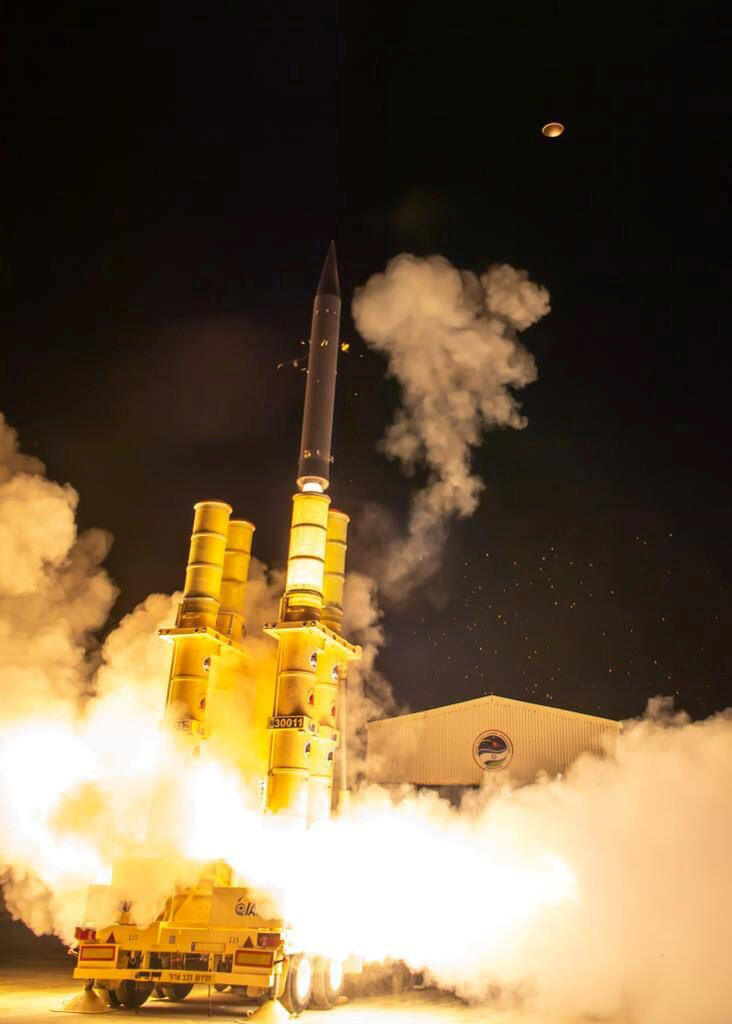
In the days before the ceasefire with Iran, the United States and Israel faced dwindling stocks of various munitions, especially air defense missiles, amid frequent and extensive Iranian missile launches toward Israel and several Gulf states. The situation forced Israel to manage its use of Arrow 3 missiles selectively. The Arrow 3 is one of Israel’s main defense systems against missiles launched from Iran and Yemen.
The halt in fighting with Iran in early April gave Israel and the United States time to prepare for a possible renewal of the campaign. But the relative calm also appears to have benefited Iran. According to international reports in recent weeks, Iran has extracted missiles and launchers from “missile cities” carved into mountains after their entrances were bombed at the start of the war.
According to a CIA report whose details were published in recent days, about 70% of the missile stockpile Iran had before the war remains available.
(Photo: Defense Ministry)
Israel and the United States have invested heavily in recent weeks in improving their positions ahead of possible renewed fighting. Ben Gurion Airport has looked at times like a military base, hosting dozens of American refueling aircraft. The effort is also evident in the continued U.S. airlift bringing huge quantities of munitions and weapons systems to Israel. Some shipments are also arriving by sea at the ports of Ashdod and Haifa.
Israel’s defense industries are working around the clock, with emphasis on air defense missiles, especially Israel Aerospace Industries’ Arrow 3 interceptors. Production lines for these missiles have quadrupled since the beginning of the year. Even so, it is doubtful that several weeks of intensive production can fully meet operational needs.
Budget pressure, power struggles between government ministries, lack of coordination and the absence of necessary decisions could further complicate an already complex reality.