


Speaking on “All Caps” episode 6 alongside hosts Nitsana Darshan-Leitner, Sarai Givati and Titi Ayanaw, Haddad argued that Arabic outreach is no longer optional. It is strategic. “If we don’t speak Arabic, we don’t understand the mindset of the Middle East, and we cannot influence it,” he said, pointing to growing efforts by both Arab Israelis and Hebrew-speaking Israelis to engage regional audiences online and in public discourse.
Watch ALL CAPS Episode 6


The episode moved between geopolitics, law and public diplomacy, but returned repeatedly to one core idea: Israel is fighting a parallel war over perception. Haddad drew on his personal experience in the 2006 Second Lebanon War to illustrate the complexity of the region. He described encounters with Lebanese civilians who, he said, feared Hezbollah and wanted stability but lacked the ability to challenge the group. “Two-thirds of Lebanon want Hezbollah gone,” he said, while acknowledging deep internal divisions and fear that prevent open opposition.
Gallery
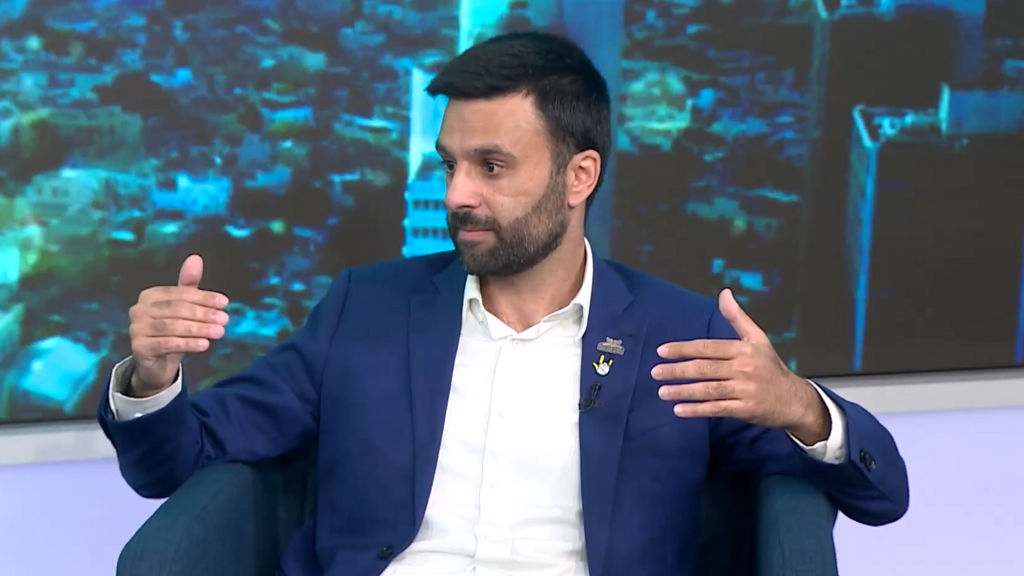
'If we don’t speak Arabic, we don’t understand the mindset of the Middle East' Yoseph Haddad
(Photo: Screengrab)
But for Haddad, the real struggle extends far beyond the battlefield. He recounted confronting anti-Israel narratives abroad, including on university campuses, where he said personal stories often cut through political messaging. In one instance, he described responding to accusations of discrimination by recounting how fellow soldiers risked their lives to save him during combat. “That’s the reality,” he said, arguing that lived experience can shift audiences that are otherwise divided or undecided.
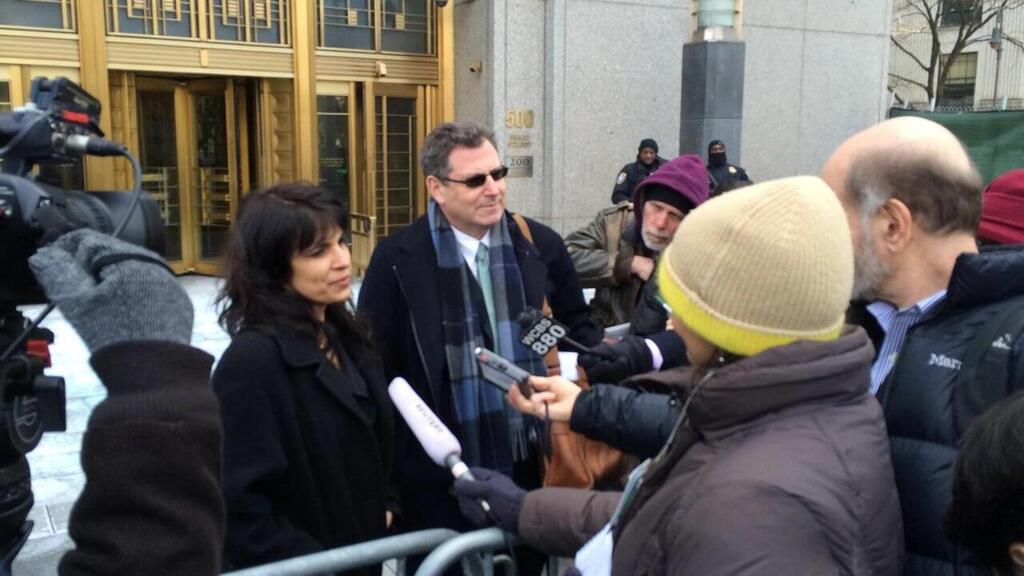
Attorneys Nitsana Darshan-Leitner, left, and Kent Yalowitz outside federal court in New York after a jury verdict in Sokolow v. Palestine Liberation Organization and the Palestinian Authority in 2015
While Haddad focused on narrative, the program’s host, attorney Nitsana Darshan-Leitner, highlighted a parallel fight in the courts. After more than two decades of litigation, a U.S. appeals court reinstated a $655 million judgment against the Palestinian Authority and the Palestine Liberation Organization in a case tied to attacks that killed or injured American citizens. Darshan-Leitner said the case, filed in 2004, was built to establish a direct link between the Palestinian Authority and the perpetrators, citing salaries, financial support and operational ties. “They said these were rogue employees,” she recalled. “We showed they were paid, supported and honored.”
The ruling followed a long legal battle over jurisdiction, including a failed appeal that led to changes in U.S. law, allowing cases against the Palestinian Authority in American courts when it receives U.S. aid.
For Darshan-Leitner, the outcome is about more than compensation. She argued the decision targets what she described as a systemic policy of payments to prisoners and their families, though she expressed doubt that any announced reforms would be fully implemented. “They will find another system,” she said.

LtR: Titi Ayanaw, Sarai Givati, Yoseph Haddad and Nitsana Darshan-Leitner
(Photo: Screengrab)
The discussion also touched on criticism of international institutions, including the United Nations, and the role of global public opinion, particularly on social media, where Haddad focused his warning. Military success and legal victories, he said, will not decide this fight alone. If Israel wants to shape how it is seen in the region and beyond, it must speak directly to its audience. In their language, and in a way that resonates across cultures and borders.