

For much of her childhood in Lebanon, Rowan Osman saw Israel through the lens common across much of the region. Raised in a society where anti-Israel narratives were deeply ingrained, she admired Hezbollah and viewed the group as a force standing up to what she believed was Israeli occupation.
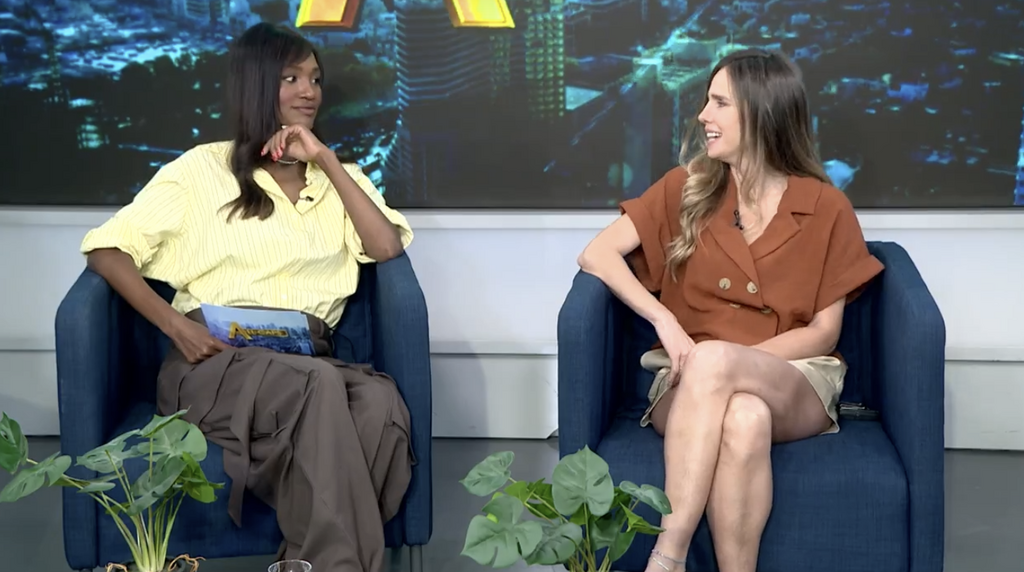
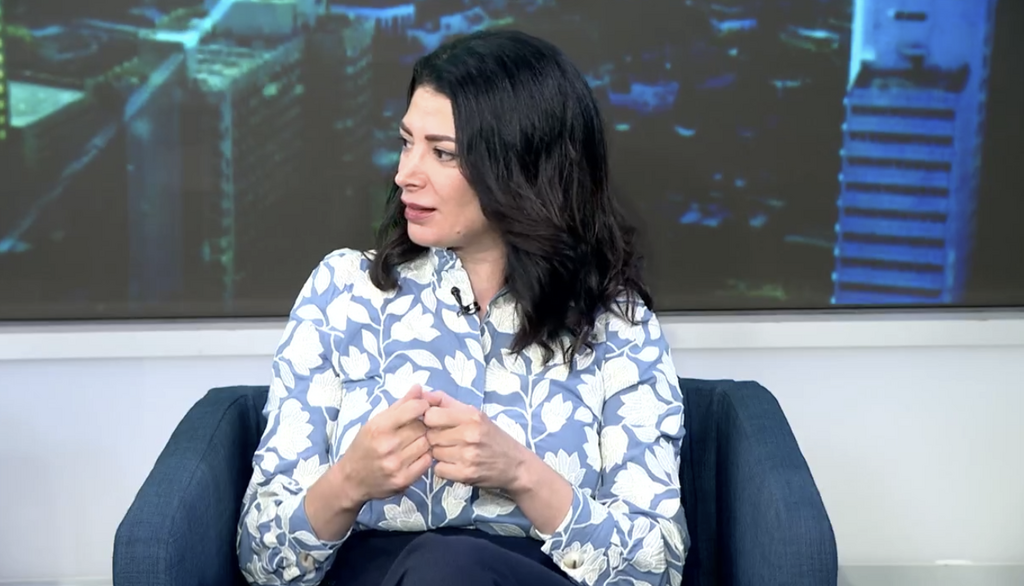
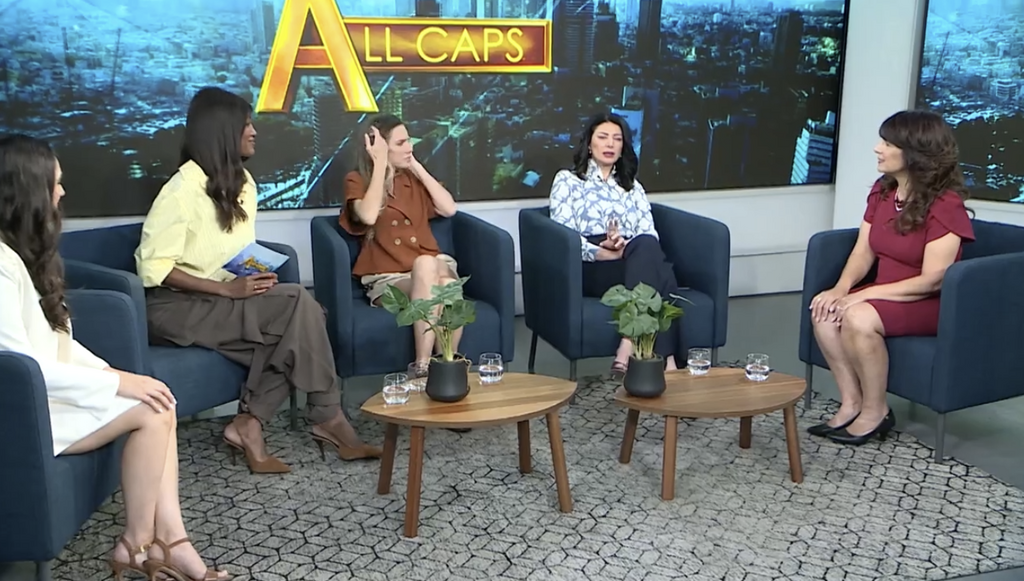
Today, the Syrian-born, Lebanon-raised activist has become one of Israel’s most prominent international advocates, speaking out against antisemitism, challenging misinformation about the Jewish state and openly embracing a path toward conversion to Judaism. Speaking on All CAPS with host Nitsana Darshan-Leitner and panelists Sarai Givaty, Titi Ayanaw and India Naftali, Osman described a personal journey that led her from hostility toward Israel to becoming one of its fiercest defenders.
Episode 11 of ALL CAPS
(Source: ynet Global)



Osman said she made the decision to convert to Judaism before the October 7 Hamas massacre but chose to speak publicly about it afterward. She said the surge in antisemitism that followed reinforced her belief that Jews should never feel compelled to hide their identity. Rather than seeing Judaism as a burden, she described it as a source of pride and purpose. Her announcement was met with confusion and skepticism by some family members and acquaintances, but she insisted the decision was deeply personal. For Osman, publicly sharing her conversion was also a message to young Jews around the world that there is "nothing wrong" with being Jewish and that Jewish identity should be worn proudly rather than concealed.
(Source: ynet Global)
The turning point in her worldview came after moving to Europe, where she unexpectedly found herself living in one of the continent’s largest Jewish neighborhoods. Direct contact with Jews challenged many of the assumptions she had grown up with and forced her to reexamine the narratives she had accepted as truth. The experience led her to conclude that generations of conflict in the Middle East were fueled not only by political disputes but also by a refusal to engage with reality. Looking back, she believes the region missed countless opportunities for prosperity and coexistence because of entrenched rejectionism toward Israel. What angered her most, she said, was the realization that many of the tragedies experienced by both Israelis and Arabs could have been avoided had different choices been made decades earlier.
(Source: ynet Global)
Reflecting on Lebanon, Osman painted a picture of a country transformed. She described growing up in a largely secular environment where religious identity often took a back seat to everyday life. Her Sunni father and Shia mother raised their children in a mixed household, and she attended a French Catholic school. When she later returned to Lebanon, however, she found a society increasingly shaped by religious extremism and Hezbollah's growing influence. More than the country's economic collapse, what struck her most was the cultural shift visible on the streets. In her view, Hezbollah has become stronger than the Lebanese state itself, making any expectation that the government can independently disarm the organization unrealistic. While she believes international pressure and military action remain necessary, she argues that long-term change must ultimately come from within Lebanese society.
(Source: ynet Global)
Despite spending years in Europe, Osman said Israel feels more like home than anywhere else. She pointed not to the country's military strength, innovation sector or geopolitical successes, but to the way Israelis care for one another. Recounting an encounter she witnessed between strangers and a reserve soldier returning from service, Osman said she discovered what she believes is Israel's greatest advantage: a deep sense of solidarity and love. After more than 20 visits to Israel since October 7, she remains struck by the ability of Israelis to celebrate life even amid war, grief and uncertainty. She has already purchased an apartment in Jerusalem and hopes to make aliyah after completing her conversion process. For Osman, Israel's defining characteristic is not power but resilience, a society that continues moving forward, supporting one another and choosing life in the face of adversity. "Israel's secret is love," she said.
To watch all full episodes click ALL CAPS
Nitsana Darshan-Leitner, founder and president of Shurat HaDin – Israel Law Center, one of Israel’s leading legal advocacy organizations dedicated to combating terrorism, antisemitism and anti-Israel lawfare through the courts and legal action around the world. To learn more about Shurat HaDin’s work and ongoing legal campaigns, visit https://israellawcenter.org/
First published: 16:41, 05.31.26