

When French-Jewish director Cédric Klapisch showed his father his debut film, a short based on experiences he had as a student in New York, the first thing his father said was: “This film is so Jewish.” “My father was surprised because, according to him, he had not passed on too many Jewish values to me, so how had my film turned out so Jewish?” Klapisch said when I interviewed him recently in Paris.
“In fact, all the directors who influenced me throughout my career were Jewish: Woody Allen, the Marx Brothers, Billy Wilder, Ernst Lubitsch. You realize all these people have one thing in common, and it's strange. You could say the humor in my films is Jewish.
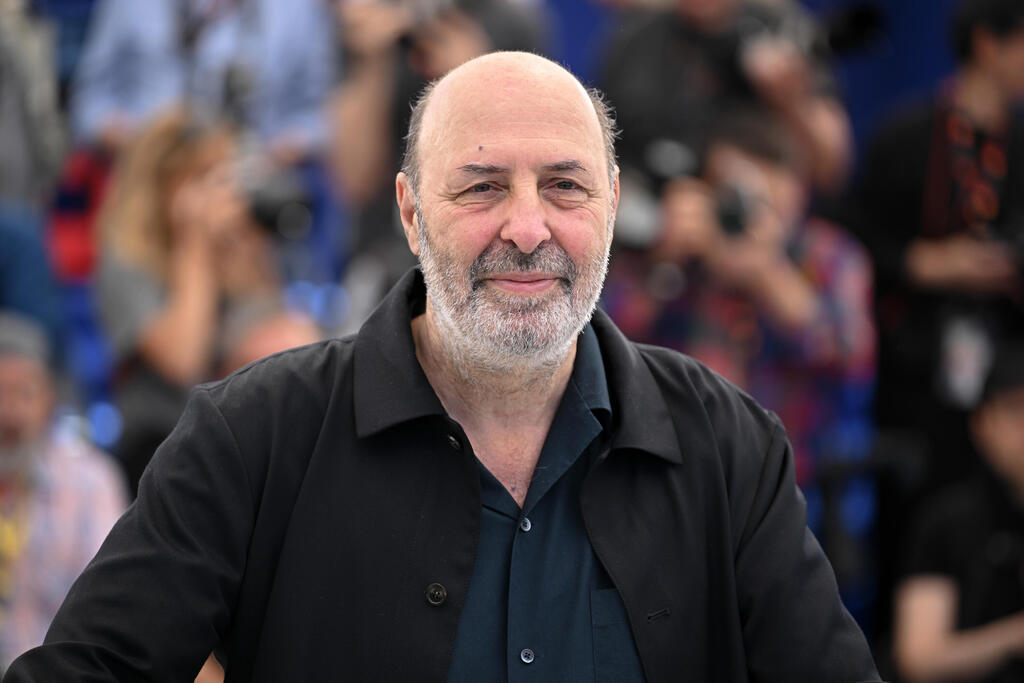
"I am not a religious person and I did not grow up in a religious home. My two parents, probably because they hid in France during World War II, became communists, clashed with their own parents and really did not want to be religious, certainly not after the war and its horrors. “So I did not grow up in a religious home, but you know how it is: you are Jewish even if you do not go to synagogue. And that Jewishness finds its way into my films.”
How? Give me an example.
“Today, the question of ‘transmission,’ what you pass on, especially to your children and to other people, is important to me and present in my films. I suppose that is the Jewish part of me, because it is something we are obsessed with,” he says, laughing.
Since that short film he showed his father, Klapisch has built an impressive career. Exactly 30 years ago, he broke through to wider audiences, including internationally, with the César-winning hit “Family Resemblances” and the beloved comedy “When the Cat’s Away.” Three decades later, 64-year-old Klapisch is enjoying a period of creative momentum and renewed recognition.
Last year, the leaders of the Cannes Film Festival finally included one of his films, “Colors of Time,” in the official program. “How did it happen that I was only selected for Cannes now? It’s strange. I have no idea why. I think Cannes may have seen my films as too close to comedy, too light or perhaps too commercial. Usually, the films chosen there are dramatic, very serious works.”
“Colors of Time", Trailer
(Courtesy of Lev Cinemas)


That same year, Klapisch was also tapped to direct the 50th César Awards, France’s equivalent of the Oscars. “I was the one who cast the people presenting the awards and checked their speeches. It was a very complex event, and I had to maneuver between all kinds of people. It was crazy work, but very interesting on an interpersonal level.”
In January, Klapisch received an award from the French culture minister at a ceremony in Paris on behalf of Unifrance, the organization responsible for promoting French cinema worldwide.
“It was nice, because it was recognition of the fact that I expose the world to French culture,” Klapisch said. “I like the idea that I represent something in French culture. At first, when I was told about the award, I was not especially moved. I have made 15 films by now, and as a creator you make one film, then another, without really seeing how they all come together into one body of work. On the day of the ceremony, I understood what the award meant: millions of people around the world have seen my films and the series ‘Call My Agent!,’ which I helped create.”
“Call My Agent!,” also known in Hebrew as “Ten Percent,” arrived on screen in 2015 after a long series of difficulties and rejections. The witty, delightful and funny satire about a Paris talent agency gained momentum over the years and collected awards and nominations. France’s biggest stars lined up to make guest appearances.
During the COVID lockdowns, more audiences, including in Israel, discovered it thanks to Netflix. The LGBTQ community also embraced it because of its wit, campiness, charming guest appearances and the fact that LGBTQ characters were prominent in the agency’s offices. Local versions of the series were made in many countries, including Turkey.
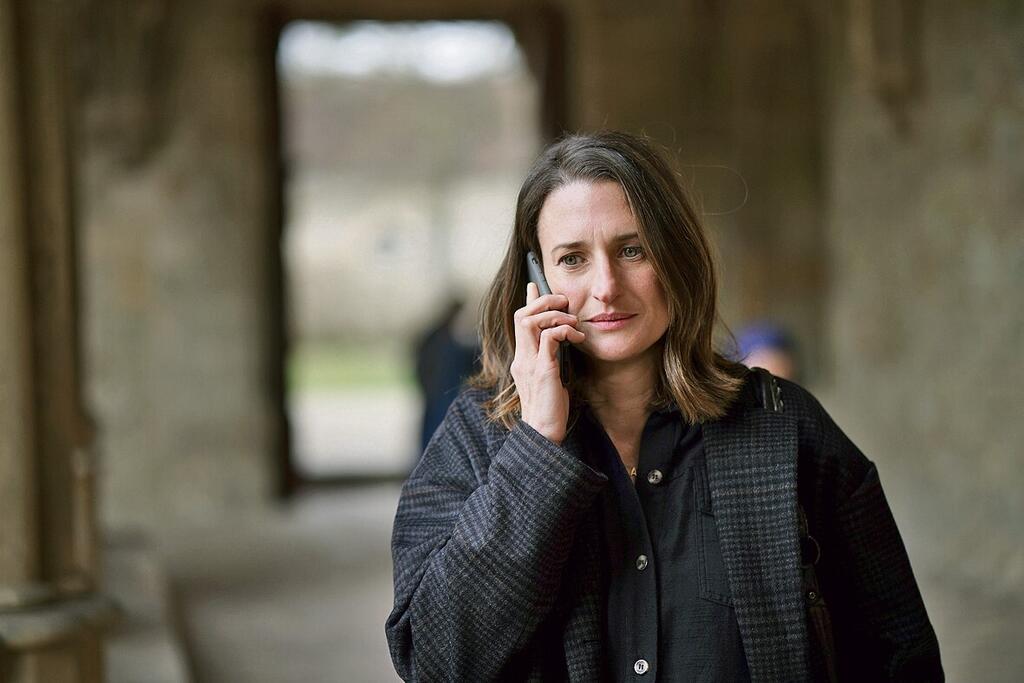
From Call My Agent!
(Photo: Christophe Brachet)
“When I joined the project, only three episodes had been written and the screenwriters were still at work,” Klapisch recalls. “I liked some of what was already there, but there were also things I wanted to change, so I did. It was a collective project. I directed the first season with two other directors and also served as art director.”
What was your contribution to the series?
“My contribution involved a mix of casting and script work. I had to persuade many of the stars to appear on the show because, at the time, a lot of them did not want to do television. They knew me and trusted me, so they agreed to take part. I also made some changes to the script, found the two other directors and the sets, and was involved in the casting. I was the one who brought in Camille Cottin, among others. As for why I left after one season, I said from the start that if I joined the project, I would do only one season.”
Can you explain the series’ international success?
“It is hard to explain why the series works, and even harder to explain why it succeeds across countries and cultures. Its secret is the mix of comedy and a behind-the-scenes look of the film industry. There are plenty of shows about police officers or lawyers, and it is easy to build drama around law or security. But we discovered that film agents and famous actors make pretty good material too. People really enjoyed seeing what happens behind the scenes.”
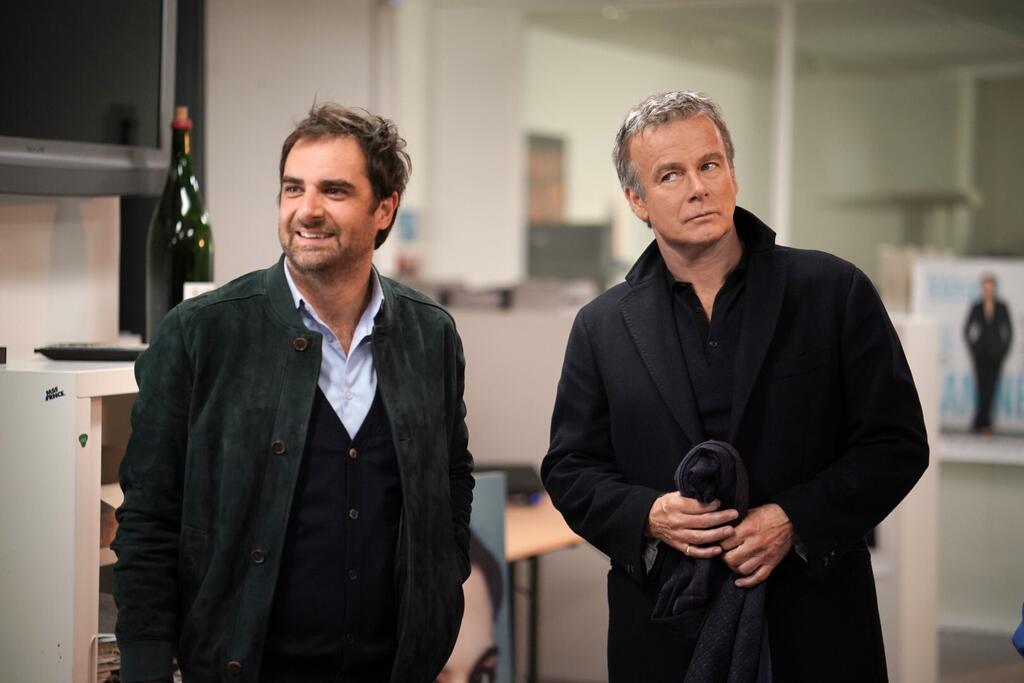
From Call My Agent!, season 4. "I had to persuade many of the stars to appear on the show"
(Photo: Courtesy of Netflix)
A film based on the series is expected soon, and in the meantime audiences can enjoy “Colors of Time,” which arrives in Israeli theaters this weekend. The plot moves between two periods. One is the late 19th century and focuses on Adèle, a young woman from a village in Normandy who briefly leaves her partner and travels to Paris in search of her mother. In the French capital, Adèle moves into an apartment she shares with a photographer and a painter, and becomes part of the Impressionist art world.
The second period is the present day, when dozens of Adèle’s descendants learn they have inherited her home in Normandy. It turns out the municipality wants to build a supermarket on Adèle’s land. Several of the heirs travel to her home, where they find treasures and discover their family story.
“The idea for ‘Colors of Time’ came from my desire to make a period film,” Klapisch says. “I always wanted to work on a film from the period before 1900, both aesthetically and in terms of meaning, because so much happened then. I wanted to focus on that moment when photography already existed but cinema did not yet, when painting was changing and trains were beginning. To me, it is a period that resembles today's, even though progress and technology look completely different now. It was a moment when time seemed to accelerate, much like our own era.”
What was it like to recreate that period?
“Very complex and very exciting. The strange thing is that I had to use very modern techniques to recreate the past. It was fascinating to work with all the special effects and other elements needed for the reconstruction. The process was enjoyable, but it definitely taught me patience, because these things take time. The Impressionist and post-Impressionist periods are my favorites. I like the fact that the paintings show reality, but showing reality is not the point of the painting.”
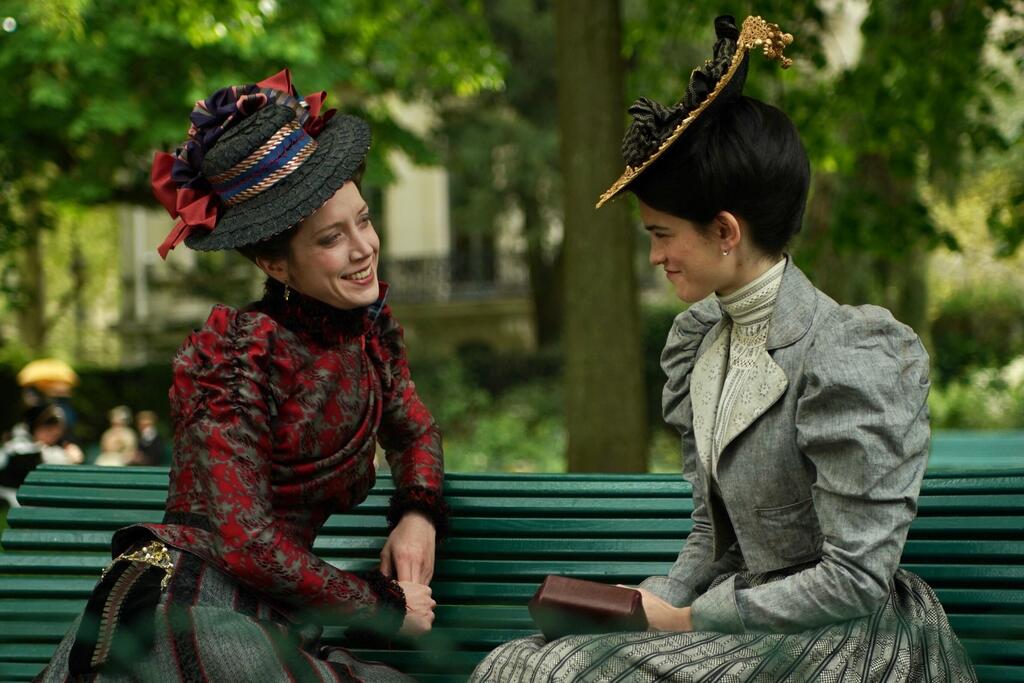
“I always wanted to work on a film from that period.” From Colors of Time
(Photo: Courtesy of Lev Cinemas)
The art world is not foreign to the director. His aunt is the acclaimed, award-winning Israeli painter Liliane Klapisch, known for her figurative and expressive work. “My aunt Liliane, my father’s sister, is an excellent painter. I am not. I wish I were. Liliane is 93 and now lives in Paris. It was very moving to show her ‘Colors of Time’ because she has a strong connection to color, and specifically to the period the film explores. She loves many painters from that era. The film deals with painting and family, subjects to which she is especially sensitive.”
Liliane, along with her siblings, including Klapisch’s father, survived the Holocaust. “They were hidden during the war. They were very lucky, and also wise, I would dare say, because they managed to hide and avoid arrest. They changed their name and went into hiding. They experienced what many Jews in France experienced. My mother’s family was less fortunate. My mother lost her parents when she was 9. They were arrested and murdered in Auschwitz. Her aunt raised her and hid her in southern France.”
Did that family background influence you? Did it shape your personality?
“I think so. To me, working in comedy is a way of fulfilling my mission to enjoy life and laugh, even after everything that happened to us. I think my mother saw it that way too, although despite her appreciation for humor, she was ultimately an orphan, and as an orphaned child you understand the price of life. I am glad we live in a time of peace in Europe, even if that is not entirely true,” he says, laughing. “The truth is that I am very frightened by what is happening in Ukraine and the Middle East. War has really become a phenomenon. These days feel very much like the 1930s.”
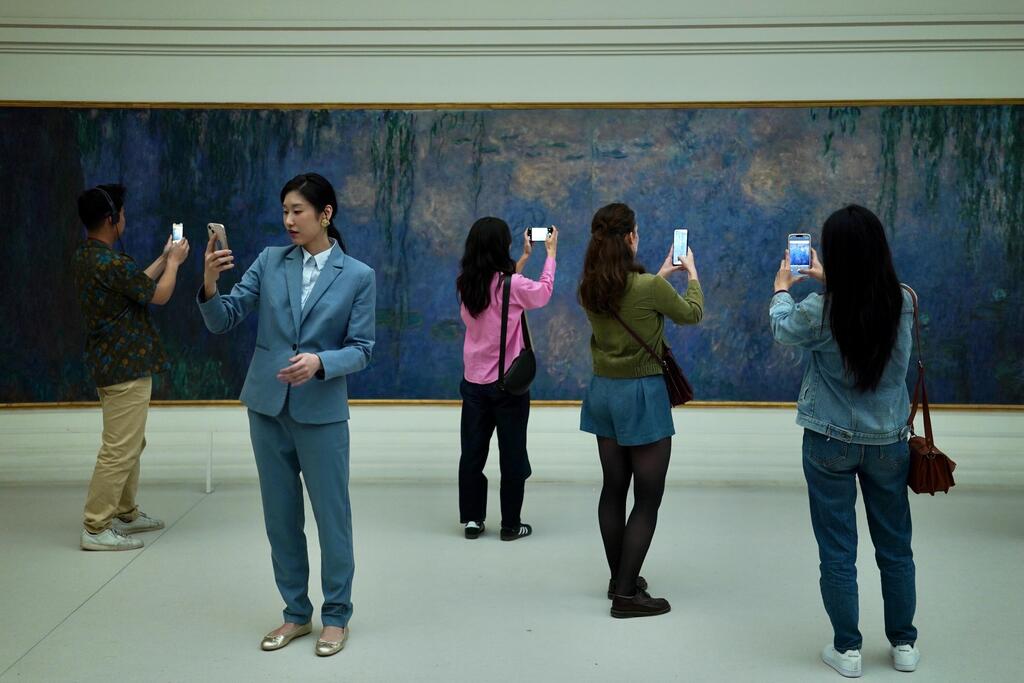
“Working in comedy is my way of fulfilling my mission to enjoy life and laugh.” From Colors of Time
(Photo: Courtesy of Lev Cinemas)
How did you feel on October 7?
“It was shocking. Terrible. It is complicated to talk about this subject because what happened was so barbaric. I read that in Gaza they are now raising a new generation of terrorists. For the first time in my life, I am not really optimistic. People are talking about the possibility of a third world war, and I had never thought in those terms before.
"There are so many crazy governments today and so many madmen, Trump, Putin, Netanyahu, and you feel it is delusional that they were given so much power. It is insane. Of course, one must separate what the Israeli government does from Jews as a whole. People make the wrong connection. I really disagree with the Israeli government, but it is very complicated to navigate this subject because I cannot judge these things while living in Europe.”
Do you encounter antisemitism?
“Antisemitism has raised its head somewhat. Compared with others who are facing it more directly, I’m still OK, but the situation now is genuinely complicated.”
‘There is a huge crisis in Hollywood right now’
“My parents divorced when I was a child, and each of them took me to the movies. My mother was a psychoanalyst, so with her I saw more intellectual films, like Ingmar Bergman’s. She pushed my sister and me to watch films that were probably a little too complex for us, but it was wonderful. With my father, I saw more comedies and commercial films. Now, after I've made 15 films, they are proud of me, but they also know this is my life, and that it is very different from theirs.”
When did you decide to become a director?
“Probably around 15 or 16. I knew I would end up in either photography or cinema. By then, I was already watching a lot of films with my high school friends. Whenever a new Bergman or Fellini film came out, we would run to see it. At 18, when I had to decide what to study, I thought I wanted to make films, even though I had no idea whether I had the talent for it. Still, I was strongly drawn to cinema and wanted to follow that path. I also admired Alfred Hitchcock, François Truffaut, Martin Scorsese and Akira Kurosawa. When I was young, foreign films impressed me more than French ones.”
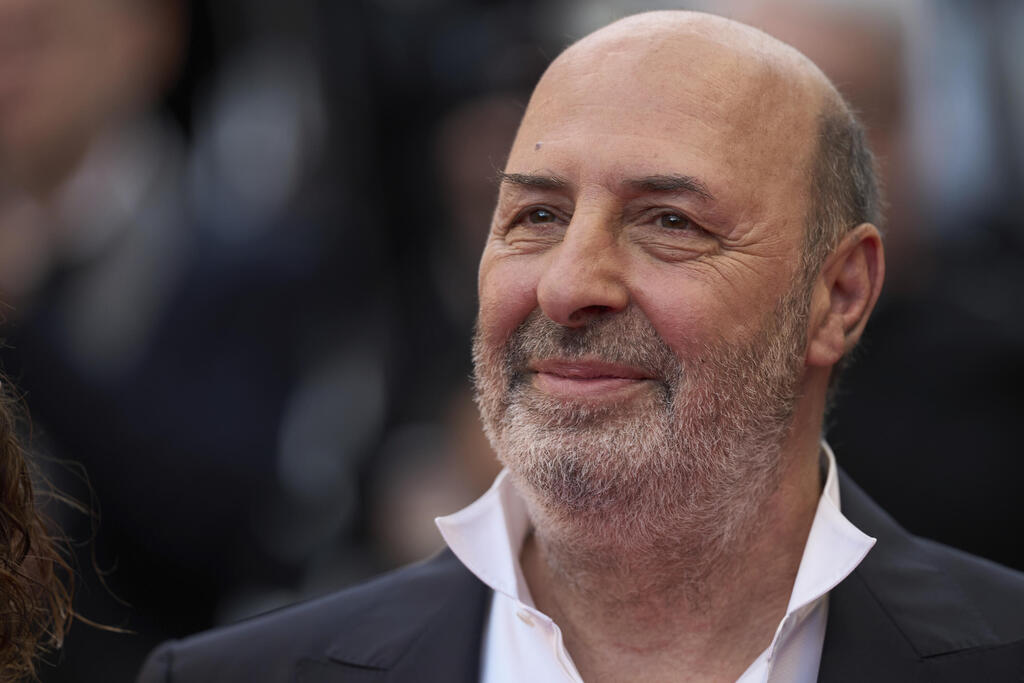
Cédric Klapisch
(Photo: Kristy Sparow/2025 Getty Images)
Is there a common thread running through your films?
“They all deal with the relationship between the individual and the collective. I am very interested in how love begins, how friendship begins, where family boundaries are formed and how a society is created. I am interested in the connection between personal problems, intimacy and social issues.”
What do you think of cinema today?
“Cinema today is creative, but American films are not very impressive. It is really not a good time for Hollywood, and as I see it, there is a huge crisis there right now. Globally, though, creativity is still abundant. Often, violent and divided periods like the one we are living through give rise to creativity. I also liked the series ‘Succession.’ It is very vulgar, but in that sense it speaks to the vulgarity of our time.”
He has not seen recent Israeli films, but he worked with the choreographer, dancer and composer Hofesh Shechter, who has built an impressive international career, on the film “Rise” in 2022. “It was a wonderful experience working with Hofesh. Once, in the 1980s and 1990s, the Belgians were the great choreographers, and today all the great choreographers are Israeli. Sharon Eyal is excellent, Ohad Naharin is wonderful. It is crazy that there is a completely new dance scene among Israelis.”
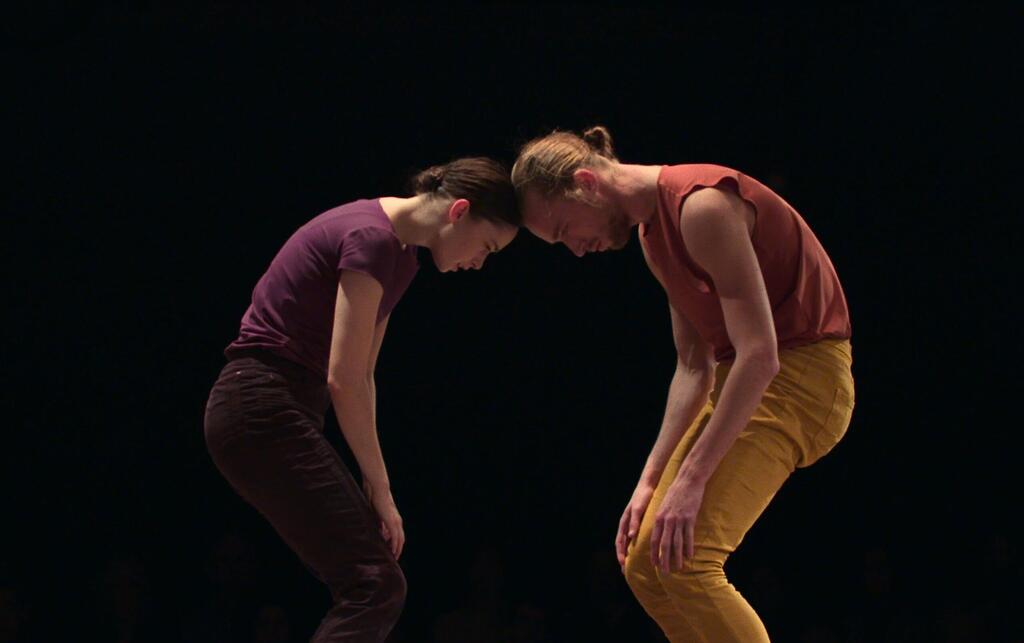
From "Rise"
(Photo: Courtesy of Netflix)
Klapisch says age has been good to him. “I am calmer now, less tormented,” he admits.Even in his 60s, he still enjoys working with young actors. In “Colors of Time,” he cast rising performers including Suzanne Lindon, daughter of Jewish actors Vincent Lindon and Sandrine Kiberlain; Abraham Wapler of “Andor”; and Valentin Campagne, who won the acting award at Cannes last week for his role in “The Plague.”
“I like the way young people bring things to life. The older I get, the more important it becomes for me to stay connected to younger generations, especially actors. I have three children, ages 18 to 28, and they keep me thinking about what it means to grow up and grow older.”
“It is good to keep asking questions. We cannot avoid growing older, and I am aging too. Young people help you avoid getting stuck with foolish opinions. They make you question and doubt things. That is what I love about young actors: they challenge me with their views and their behavior. That is why working with the younger generation is genuinely interesting.”