

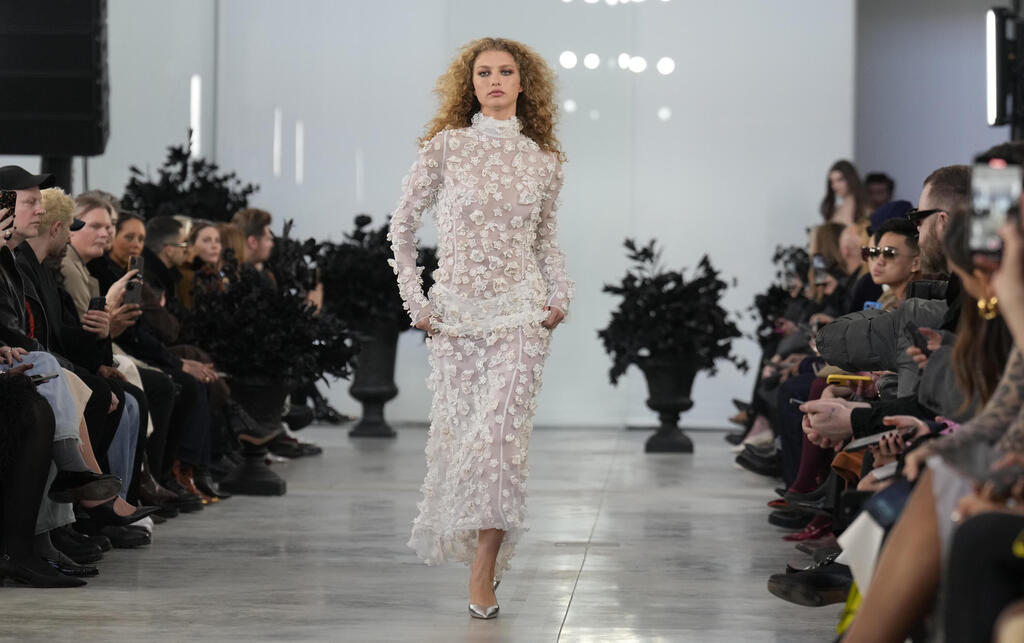
On Wednesday, Israeli fashion designer Hed Mayner will present his work at the prestigious Pitti Uomo menswear fair, held twice a year in Florence. Mayner was invited to stage a runway show at the fair as a guest designer, an honor reserved for a select few whom the fair’s leadership seeks to spotlight and promote. Designer Yarden Hanuka of the JOR-D brand, which has quickly won local acclaim, will also participate with a booth in the Super Styling section, dedicated to brands exploring new silhouettes, genderless tailoring and non-seasonal materials, translated into distinctive, forward-looking wardrobes.
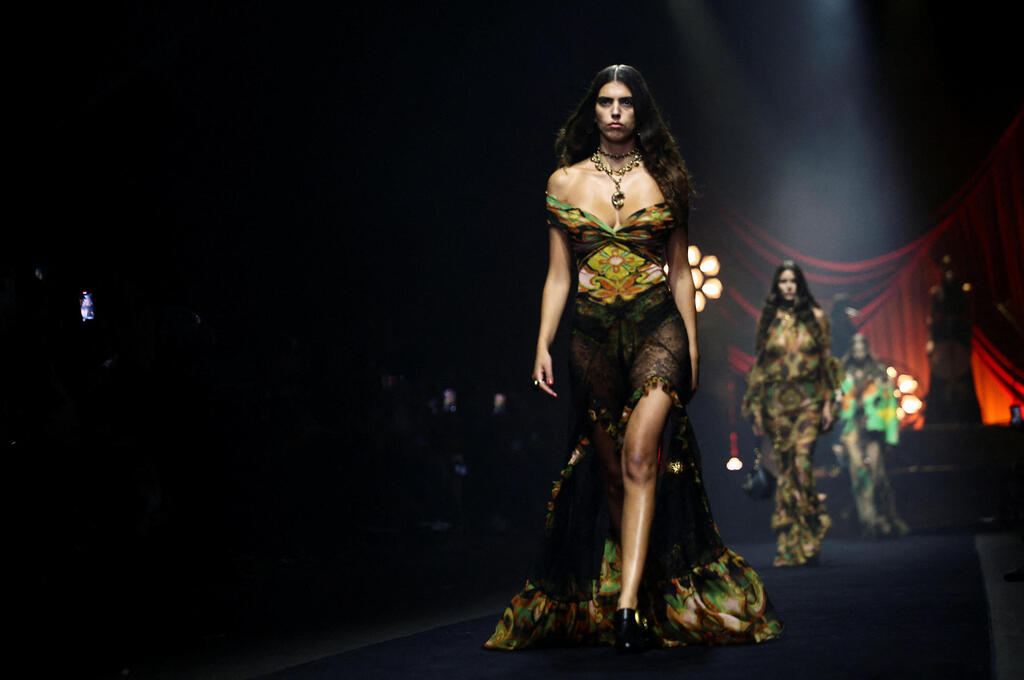
About a month ago, Israeli model Sun Mizrahi walked in Chanel’s widely publicized artistic show staged in the New York City subway. At the same time, new images were released featuring Israeli model and actress Michal Harodi for Versace. A few days later, it was Israeli model Sharon Ganish, a former Versace star, who made a kind of comeback after appearing in Phoebe Philo’s debut campaign. Ganish also features in the first and closely watched lookbook by Demna, the incoming artistic director of Gucci. The Cruise 2026 campaign was photographed by acclaimed Israeli photographer Dudi Hasson, who has lived in Paris in recent years with his partner, international model Dorit Revelis. Revelis appears this year in campaigns for Tommy Hilfiger, Zimmermann and Max Mara.
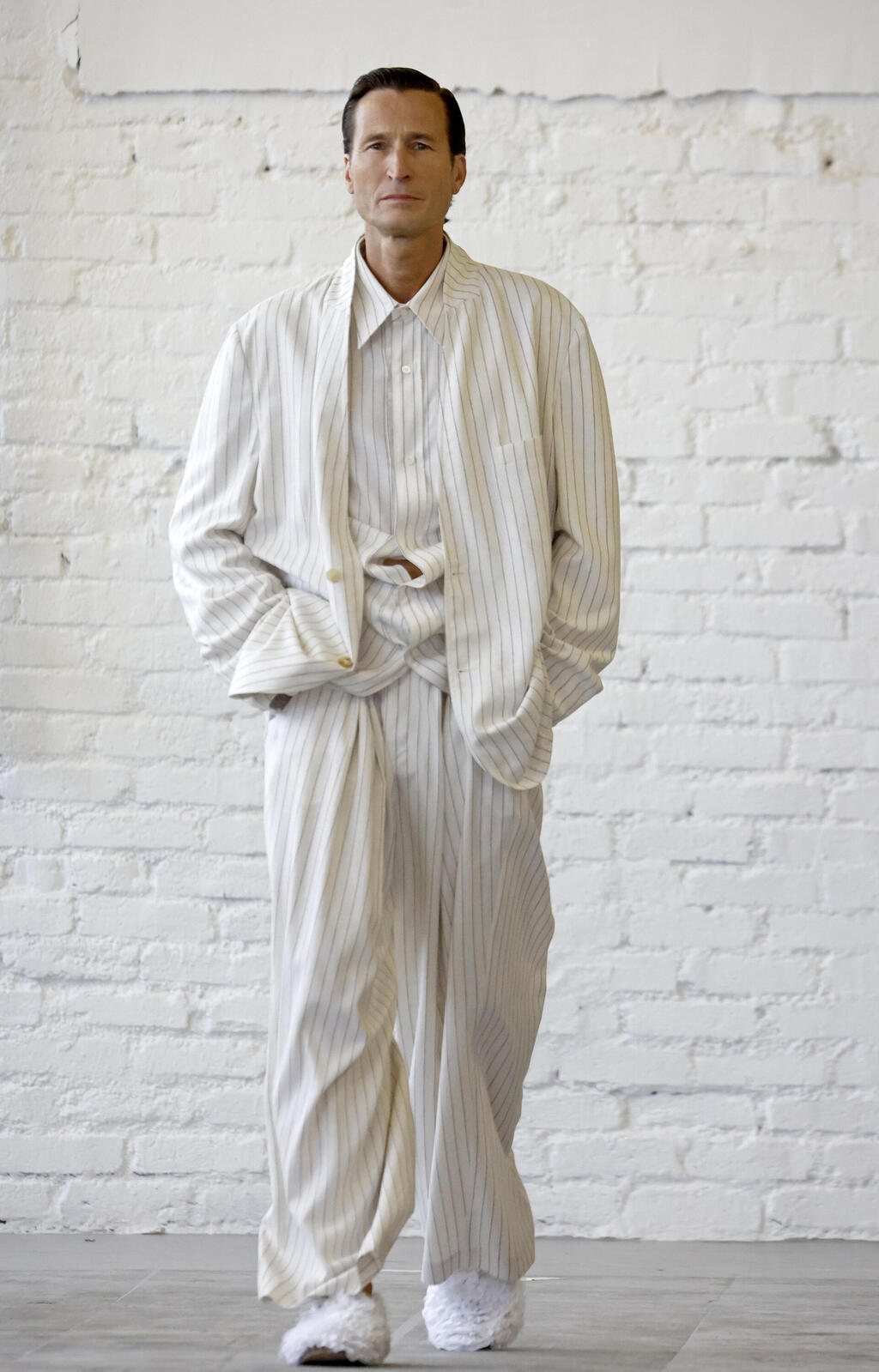
Hed Mayner’s Spring-Summer 2026 menswear show
(Photo: Thierry Chesnot/Getty Images)
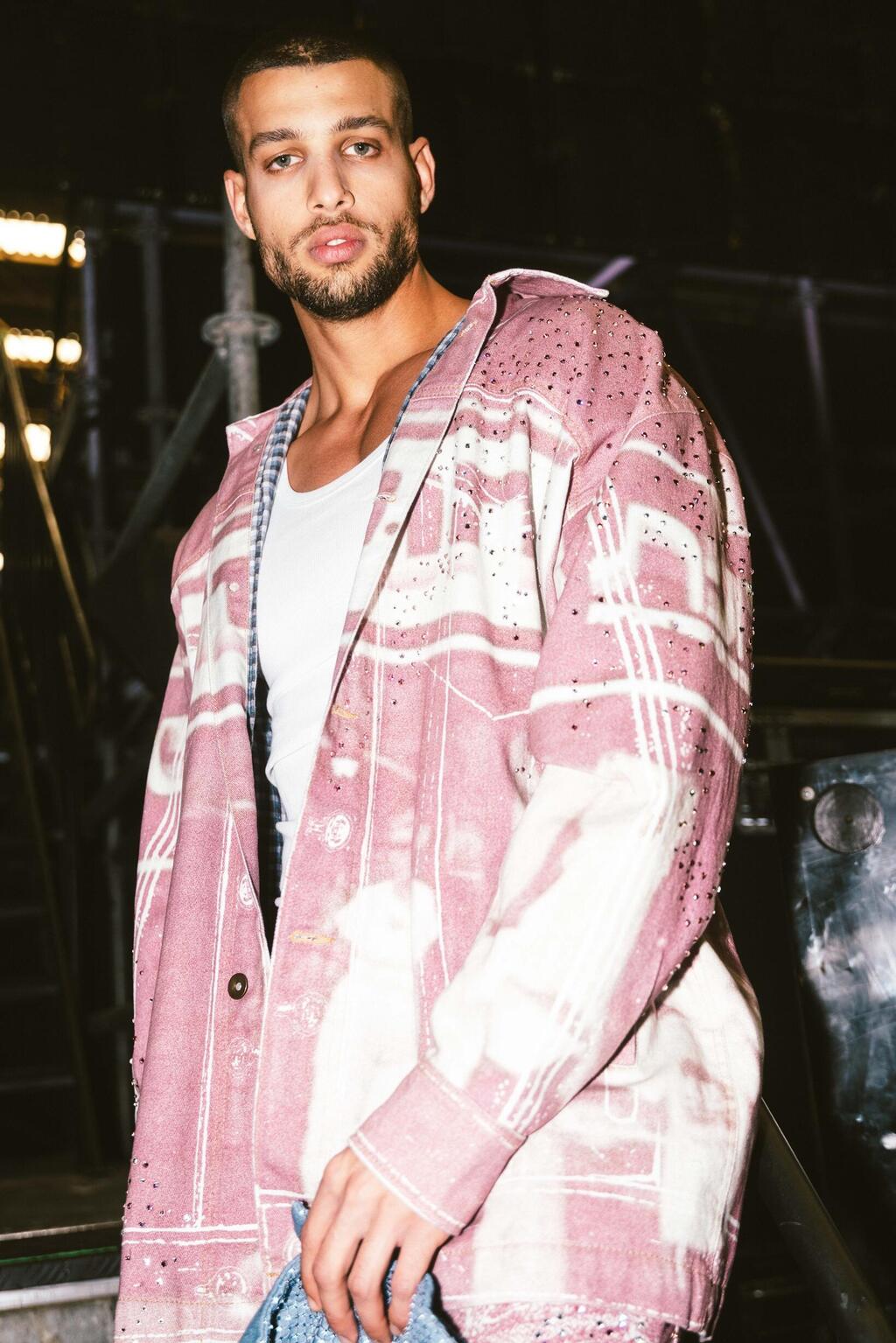
Yarden Hanuka’s show for JOR-D at Tel Aviv Fashion Week
(Photo: Daniel Sinai)
This partial list points to a growing presence of Israeli figures in global fashion. While in culture, academia, high tech and research there are increasing reports of borders closing in the wake of the war, the fashion world appears to be carrying on as usual. Against one-sided coverage in fashion magazines and social media posts offering “outfit ideas” for pro-Palestinian demonstrations, many local fashion professionals, from senior designers to recent graduates of Israeli fashion departments, say their Israeli identity is “not an issue.”
“Maybe I’m wrong, but I don’t think it really matters,” said Nir Hezroni, owner of Inch Models, which represents international models including Sun Mizrahi, Romi Peled, Gal Dahan and Tamar David, all of whom booked extensive international work this year, from Zara to Ralph Lauren. “In the end, if they see a model and like her, fashion brands don’t care if she’s from Russia, Israel, the United States or Brazil. They want her because they like how she looks, what she projects and the quality of her work. Her Israeli passport is not what will stop them from hiring her just because half the world is shouting that we’re committing ‘genocide.’”
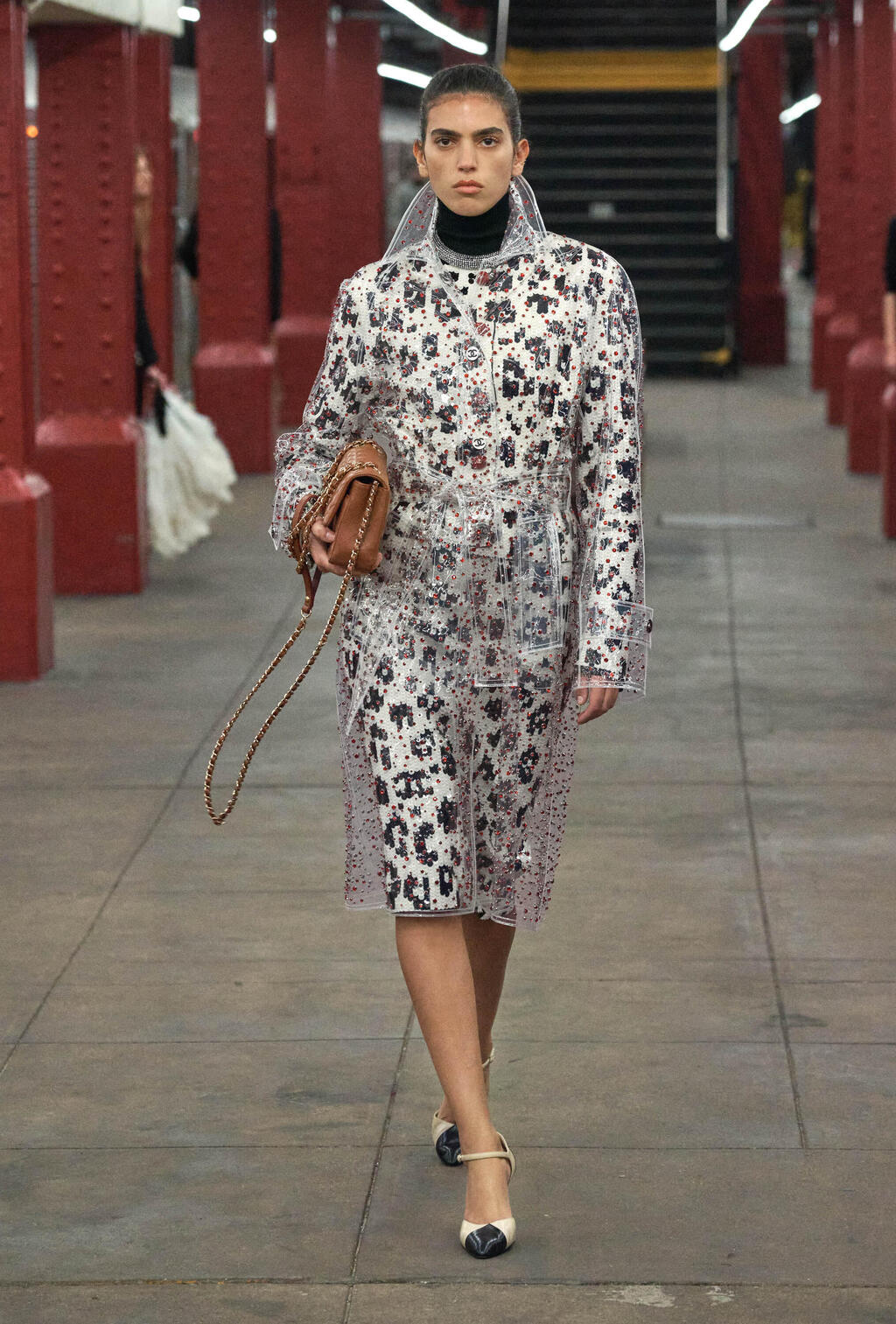
Sun Mizrahi at Chanel’s fashion show in the New York City subway, 2025
(Photo: Chanel)
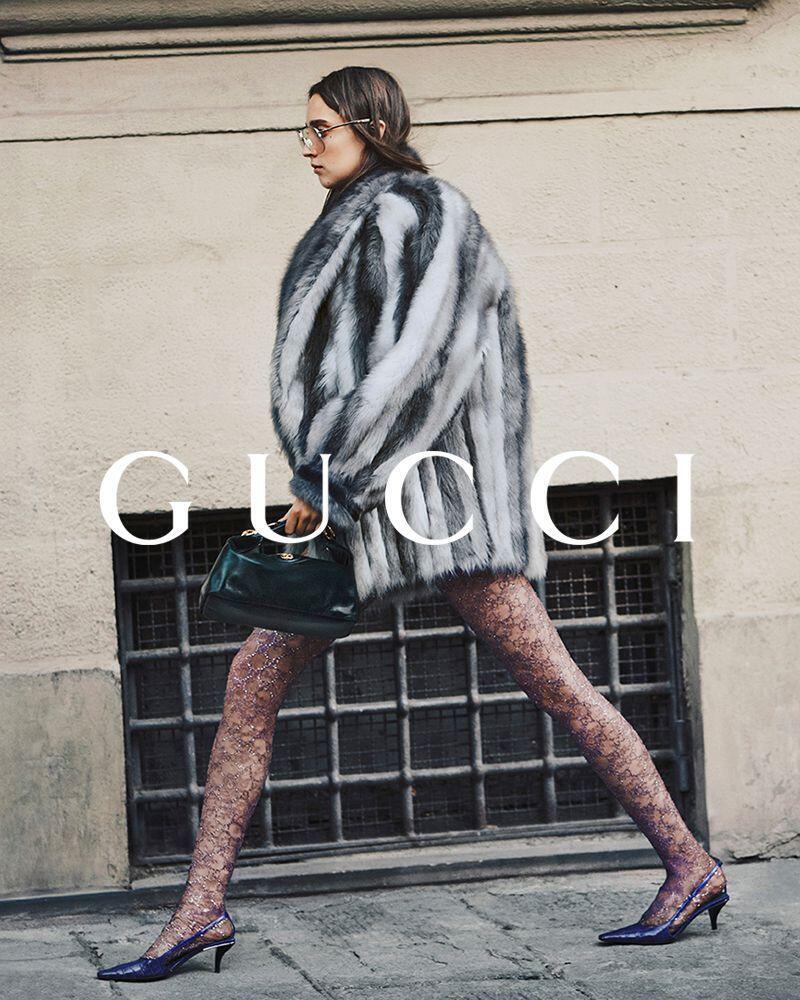
Photograph by Dudi Hasson for Gucci’s Cruise 2026 campaign
(Photo: Dudi Hasson)
The presence of Israeli models in the international fashion industry was not harmed in the 1980s and 1990s, when the intifada in the West Bank dominated global headlines, nor during the second intifada in the early 2000s. Similarly, many Russian models continued working after the outbreak of the Russia-Ukraine war in 2022. While some fashion houses, often independent labels such as GmbH and Moschino, have expressed criticism, justified or not, of the war and particularly of Israel or Russia, most of the industry remains indifferent when it comes to casting and representation.
To understand this paradox, one must follow the money and where it comes from. It is no secret that many fashion companies, including major conglomerates, are led by Jewish figures with ties to Israel. Designers such as Ralph Lauren and Donna Karan, alongside key international executives like Sidney Toledano, the former CEO of the LVMH Group and now a senior adviser to Bernard Arnault, exemplify this reality. Toledano previously served as CEO of Christian Dior and led the decision to dismiss designer John Galliano after he was filmed making antisemitic remarks, a move also pushed by longtime Dior ambassador Natalie Portman.
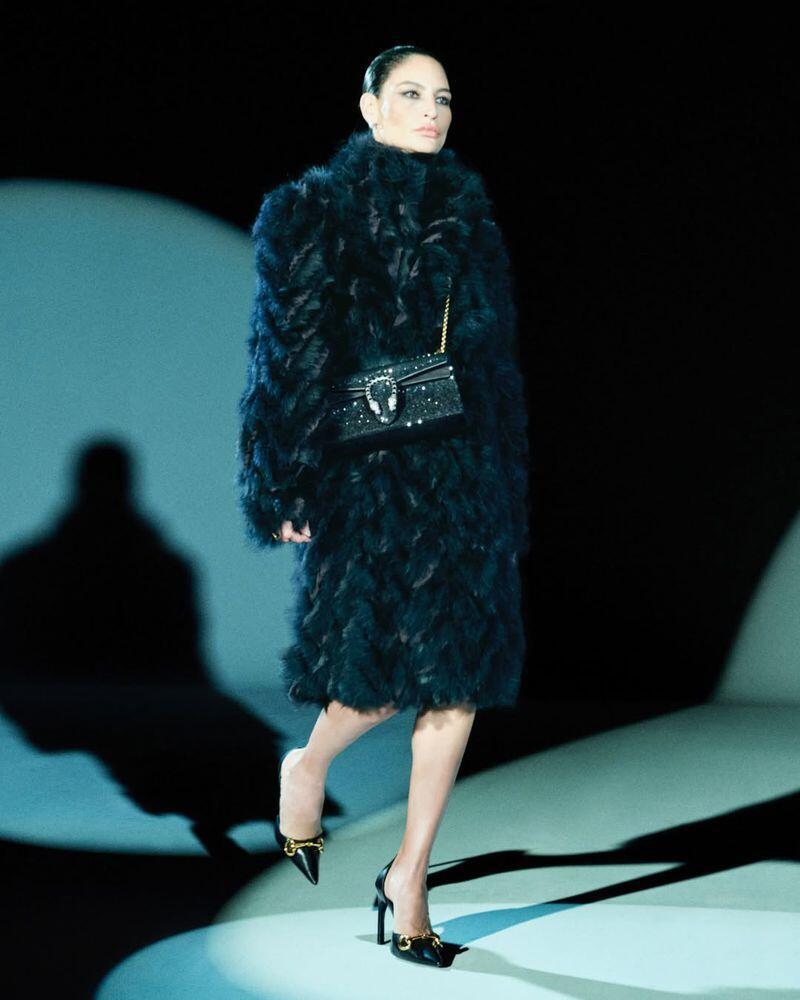
Sharon Ganish for Gucci
(Photo: Demna)
“There’s a gap between young people on social media promoting Free Palestine because it’s trendy, and the decision makers in fashion companies, many of whom are Jewish,” said Rotem Gur of R&R Models, which represents international models including Sofia Mechetner and Dorit Revelis. “Israeli models are welcomed because they have a strong reputation, and agencies know how to separate the model from the country she comes from. I think it’s admirable to judge a person by their art, not by where they were born. It’s the same with Russian models since 2022.”
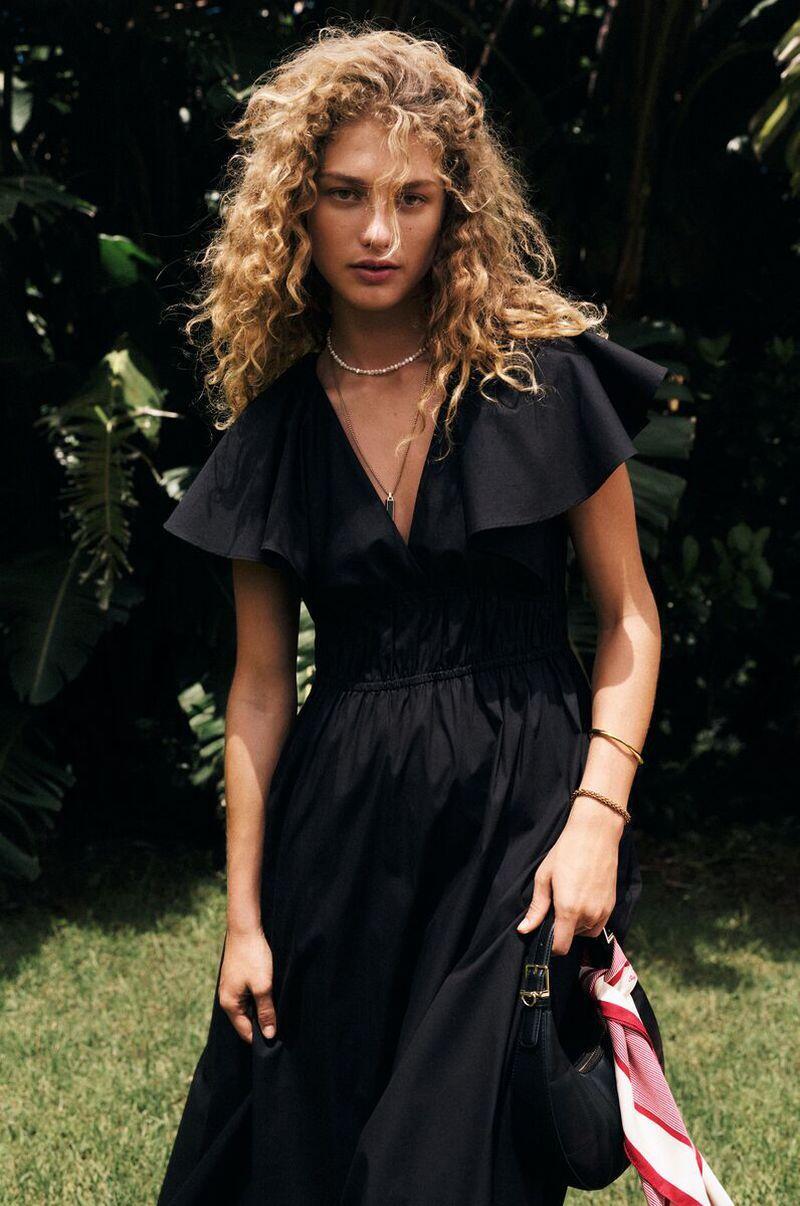
Dorit Revelis in a Tommy Hilfiger campaign
(Photo: Tom Johnson)
Still, many models have reported degrading treatment on sets over the past two years, while others say they were asked to conceal their Israeli identity. “There was a case of a model from our agency who arrived for test shoots in Paris, and the photographer refused to shoot her because she’s Israeli,” Gur said. “Dorit once arrived on set and the entire crew was very Free Palestine, but they had a respectful conversation. She has such strong status in the industry that no one would dare say anything negative to her.”
Hezroni echoed those sentiments. “After October 7, there were many people who said that because we’re Israeli, we’d be excluded. In reality, after October 7 our models worked nonstop. There were cases where clients abroad asked them to post less pro-Israeli content, but they’re Israeli, that’s just who they are. If it doesn’t suit them, they don’t have to book her. Still, not a single model lost work. On the contrary, they broke through even more globally.”

Sydney Sweeney wearing Galia Lahav at the Los Angeles premiere of the film "The Housemaid," 2025
(Photo: Jordan Strauss/Invision/AP)
‘In fashion, politics matters less’
Alongside designers such as Mayner, Nili Lotan and Galia Lahav, who recently dressed Sydney Sweeney for the red carpet, Israeli photographers like Amit Israeli and Yaniv Edry, makeup artists, hairstylists and a cadre of young designers hold key roles at fashion houses such as Schiaparelli and Hermes in Paris. This week, Adir Abergel was named red carpet hairstylist of the year by WWD.
International competitions remain a major launchpad for emerging designers, and Israeli institutions have excelled in recent years. Last month, five graduates of Bezalel Academy’s jewelry and fashion department won first place at the Global Footwear Awards, one of the most influential platforms in shoe design worldwide. Graduates Omer Kedem and Roni Arbel took first place in the 3D Printed Footwear category, alongside department head Shelly Seter Kumbor, her partner Ailon Seter Kumbor and industrial design graduate Shelly Bona.
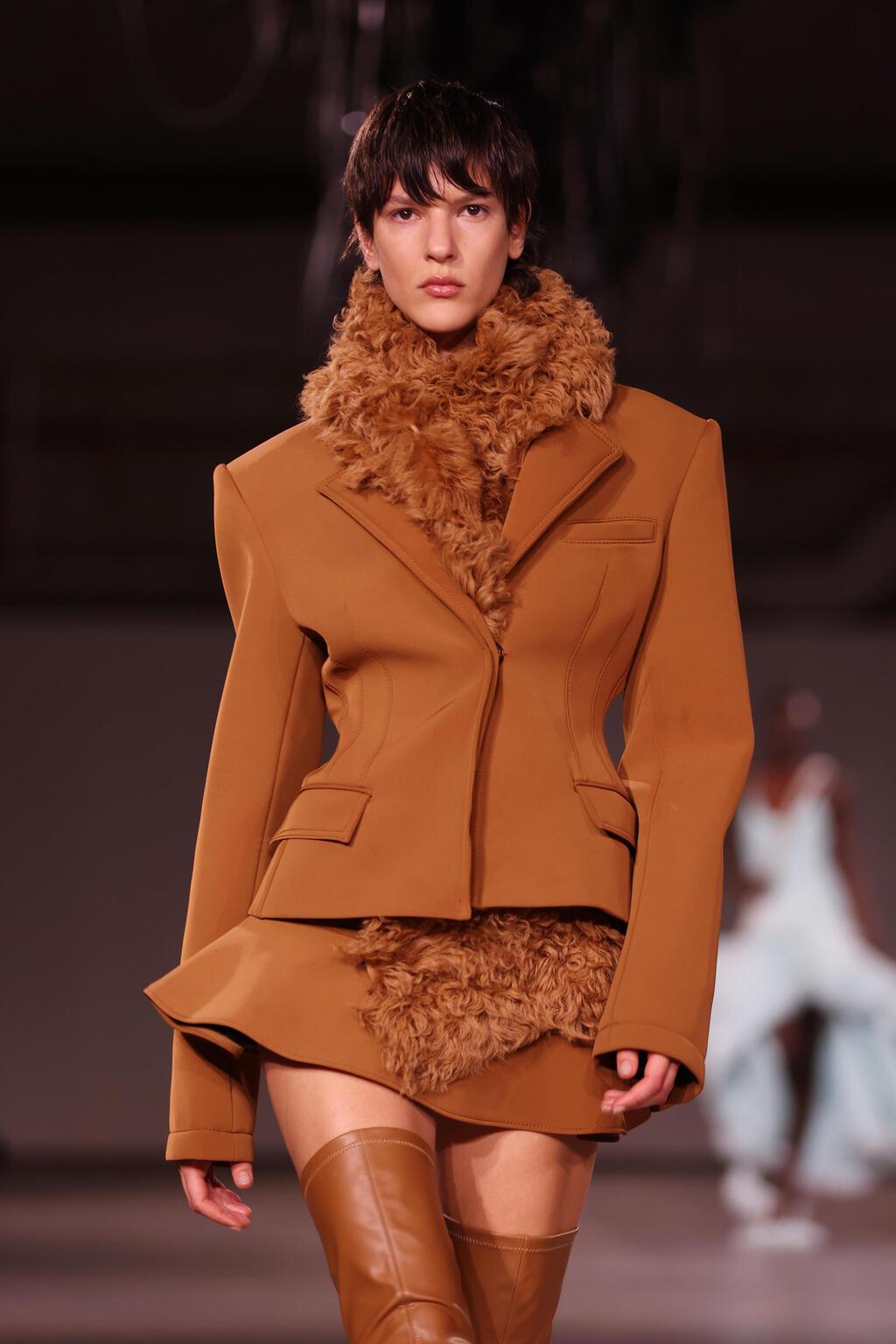
Romi Peled walks in David Koma’s show at London Fashion Week, 2024
(Photo: Cameron Smith/Getty Images)
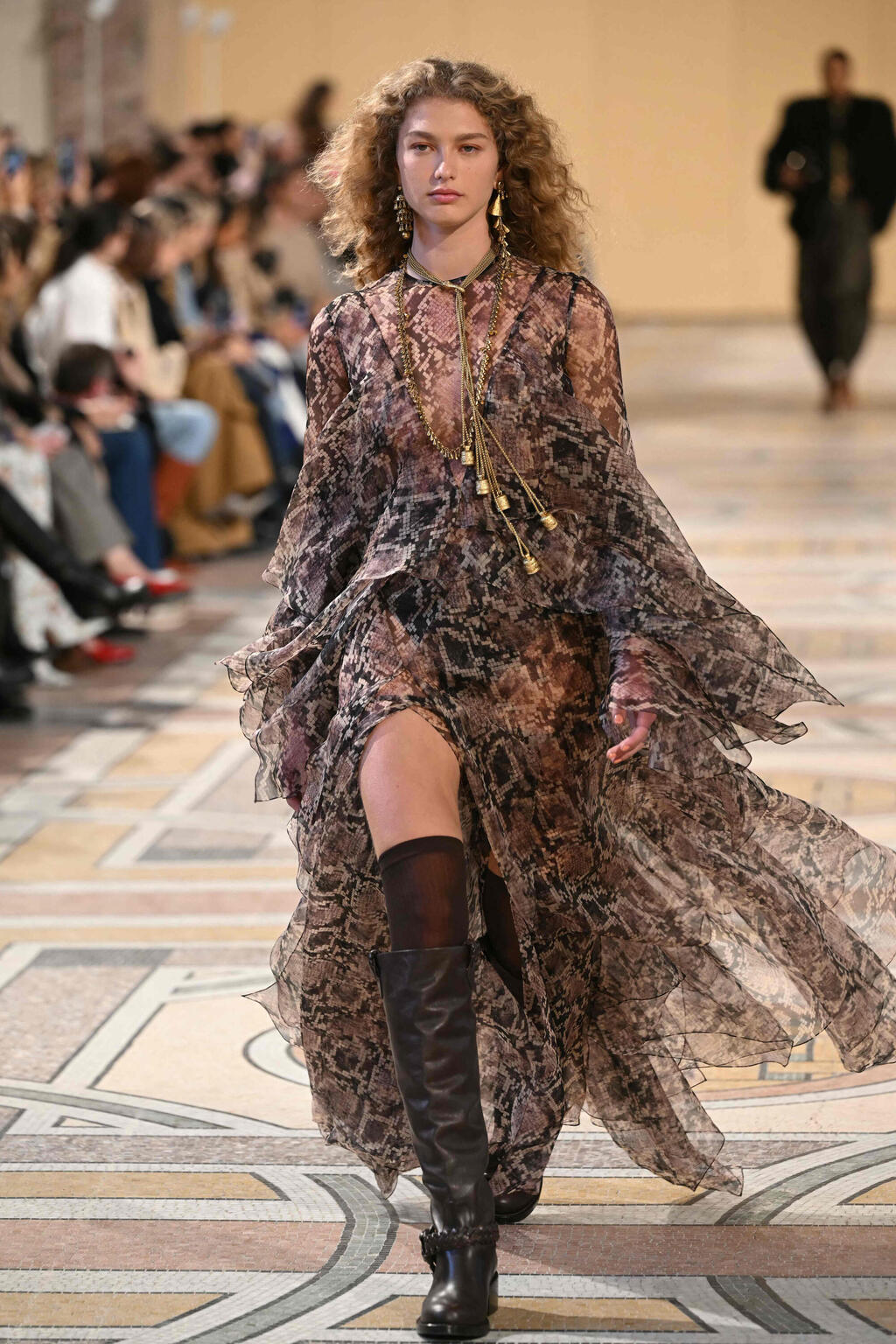
Dorit Revelis models for Zimmermann at Paris Fashion Week, Fall-Winter 2025-26 show
(Photo: Bertrand GUAY/AFP)
The winning shoe, titled ‘Otzi, the iceman, a shoe without an end,’ drew inspiration from the prehistoric man found frozen in the Alps, whose footwear was made of leather padded with grass to withstand extreme conditions. Judges praised the project for its layered concept linking past, present and future, blending craftsmanship with advanced technology and recycled materials.
In apparel, graduate Islam Nashif won first place in the clothing category at the international Real Leather. Stay Different competition in Taiwan. Other Israeli programs have also gained traction, including the University of Haifa, where students recently won an award in Abu Dhabi for a short film promoting coexistence through fashion.
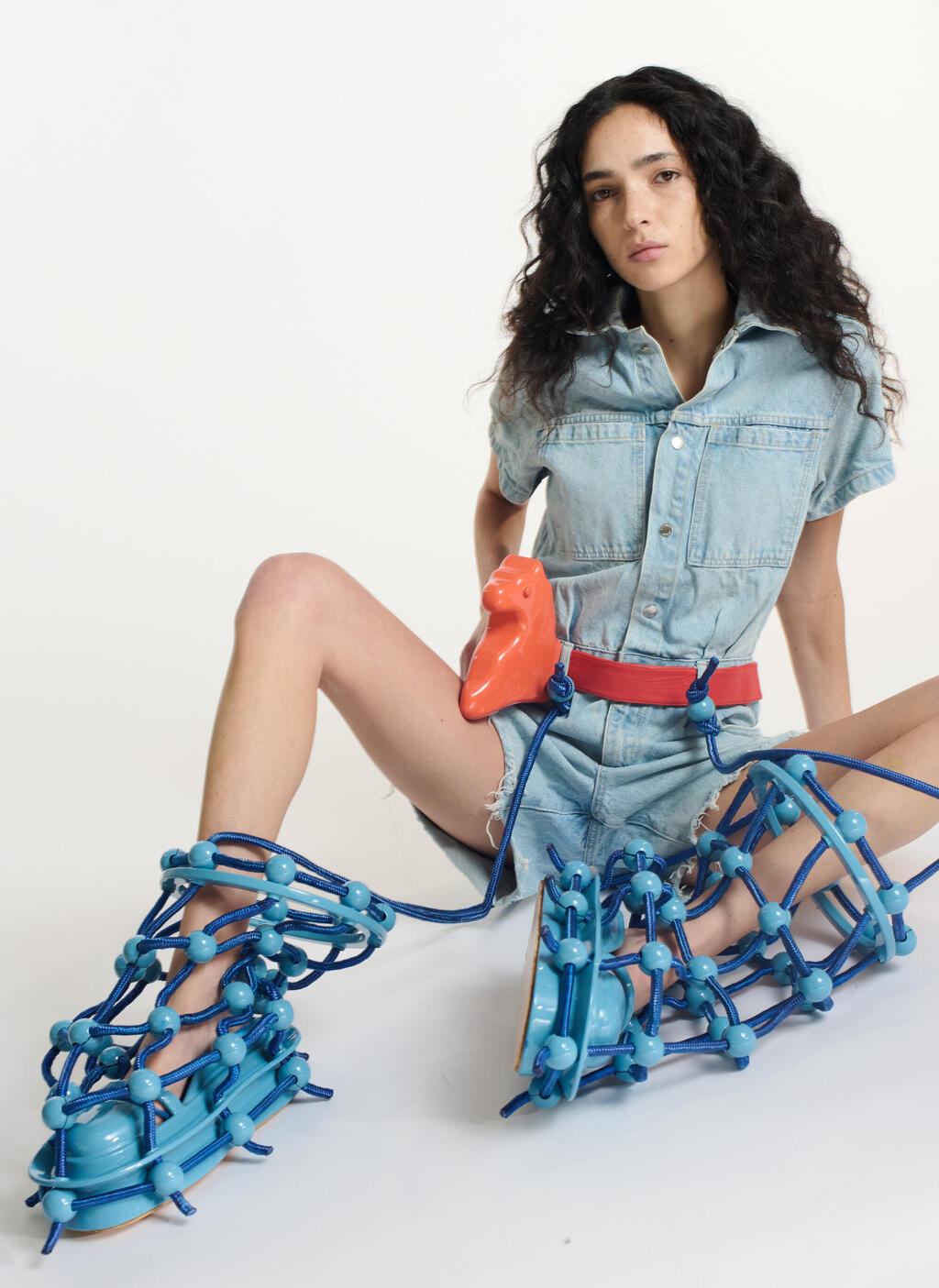
A design by Roni Arbel at the Global Footwear Awards international footwear competition
(Photo: Shalev Ariel)
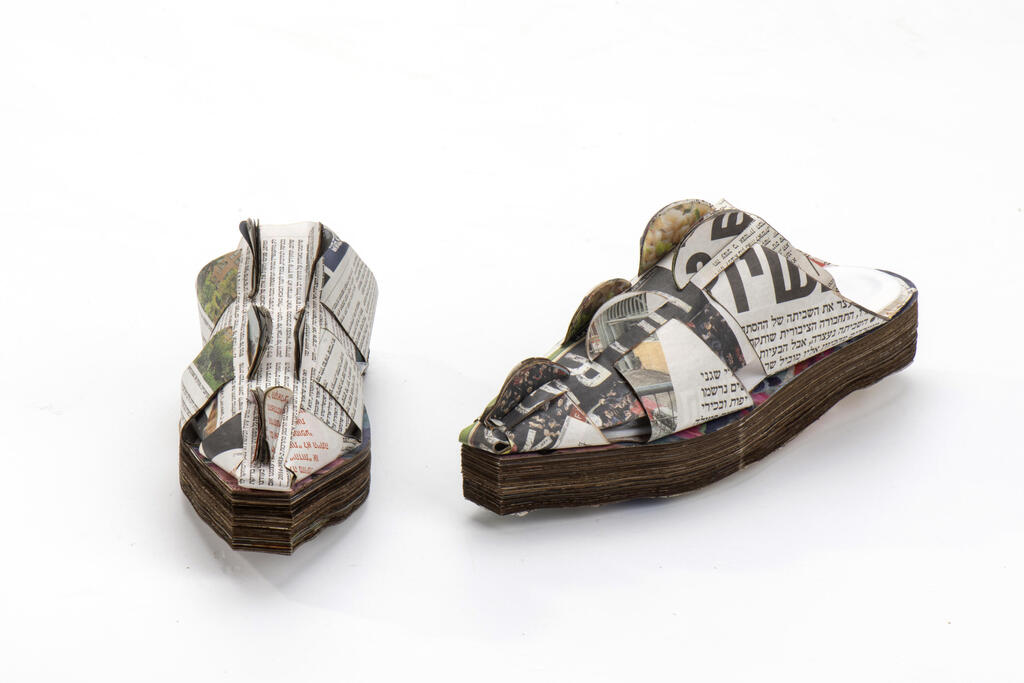
A design by Shelly and Ailon Seter Kumbor at the Global Footwear Awards international footwear competition
(Photo: Ilya Melnikov)
Shenkar College’s fashion department continues to dominate international competitions. Last year, Tamar Elbaz won first place at the prestigious Mittelmoda competition in Italy, along with awards for innovation and sustainability. This year, the top prize went to Inbal Heffer for her collection Urban Fields, exploring the immigration of Moroccan Jews to Israel. Graduate Ariel Barka also won first prize in the leather collection category from the Italian Leather Association.
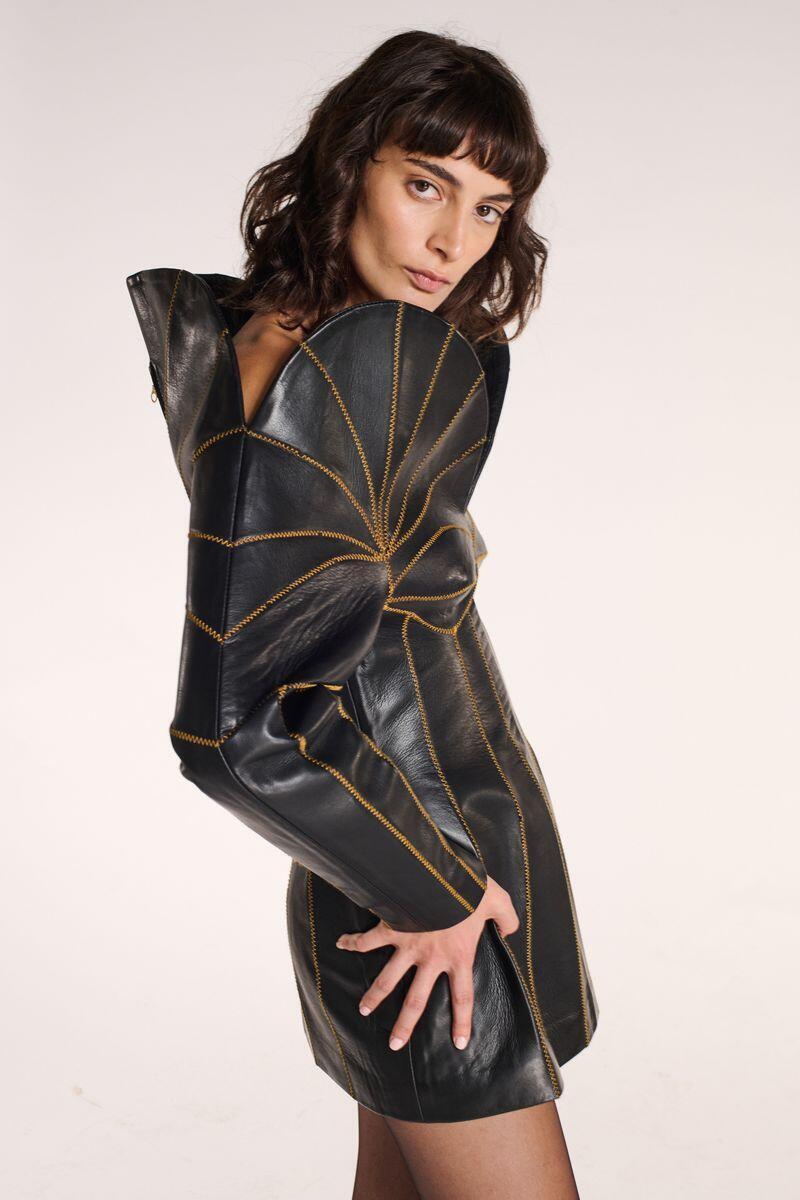
Islam Nashif’s final project, “Shields,” at Bezalel Academy, 2025
(Photo: Shalev Ariel)

Tamar Elbaz’s final project, which won first place at the prestigious Mittelmoda fashion competition in Italy in 2024
(Photo: Shai Tamir)
Designer Dolev Elron won first place at the Hyeres competition in October 2024 and now works at Acne Studios, presenting regularly at Paris Fashion Week. Six other Shenkar graduates are currently exhibiting at the Cristobal Balenciaga Museum in Spain. “In contrast to other academic and cultural fields, fashion is almost extraterritorial,” said Ilan Beja, head of Shenkar’s fashion department. “Israel or not, the conversation is about Shenkar. Everyone knows we’re Israeli, but it doesn’t matter. In fashion, they talk about curriculum, student exchanges and creativity, not what’s on the news.”
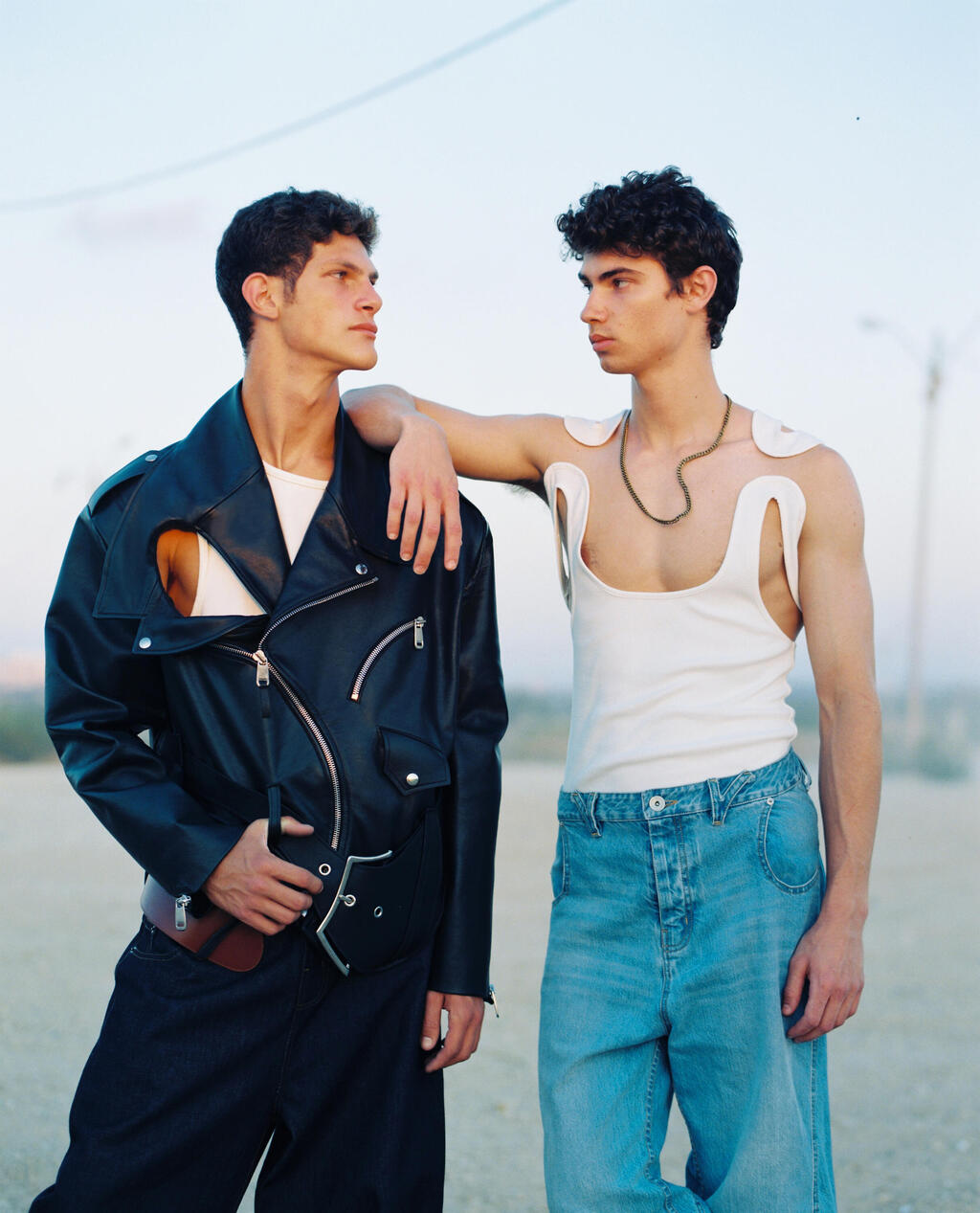
Dolev Elron’s collection “Accidental Vortex,” which won first place at the prestigious Hyeres competition
(Photo: Shai Arbel)
The international success of Israeli fashion professionals highlights a striking paradox. While boycotts intensify in academia, culture and high tech, fashion continues to reward Israeli talent. Whether this reflects political indifference or a preference for maintaining business as long as profits flow remains an open question. For now, the industry continues to separate what is convenient from what it publicly preaches.
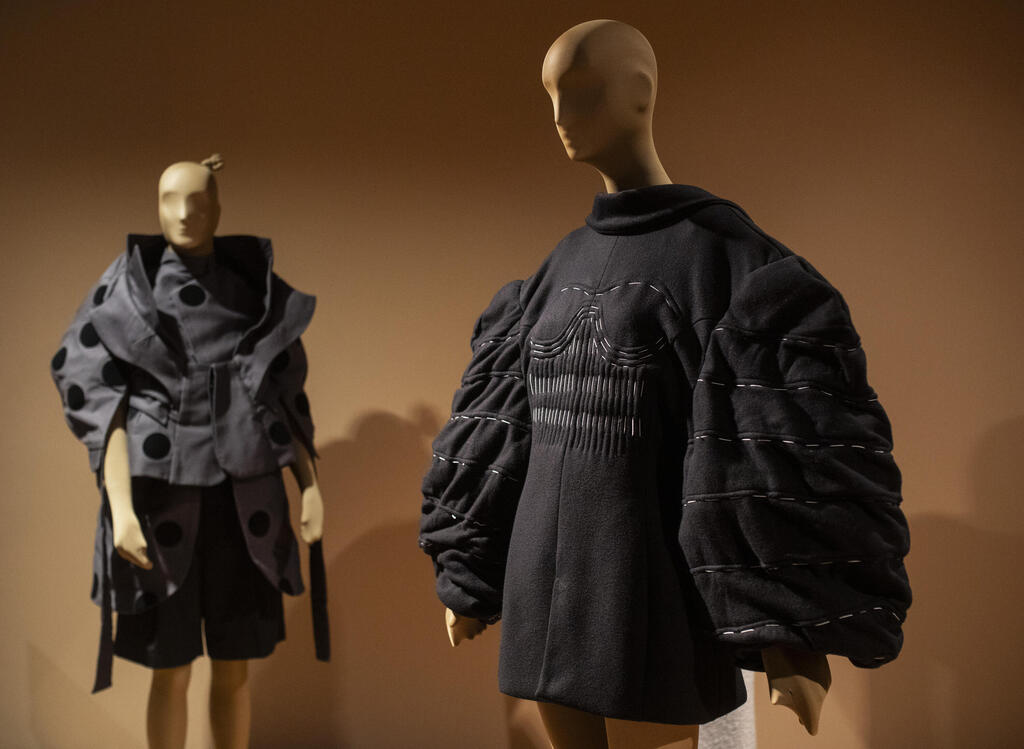
Designs by Liron Tarka of Shenkar at the Balenciaga Museum
(Photo:Shenkar)
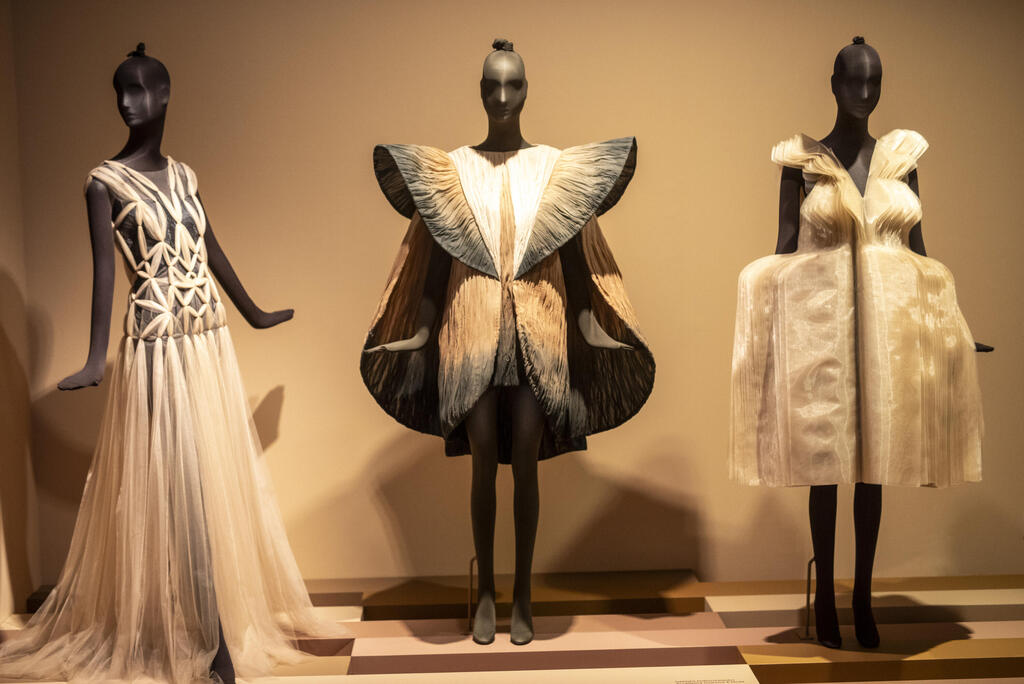
Designs by Yarden Shikli of Shenkar at the Balenciaga Museum
(Photo: Shenkar)
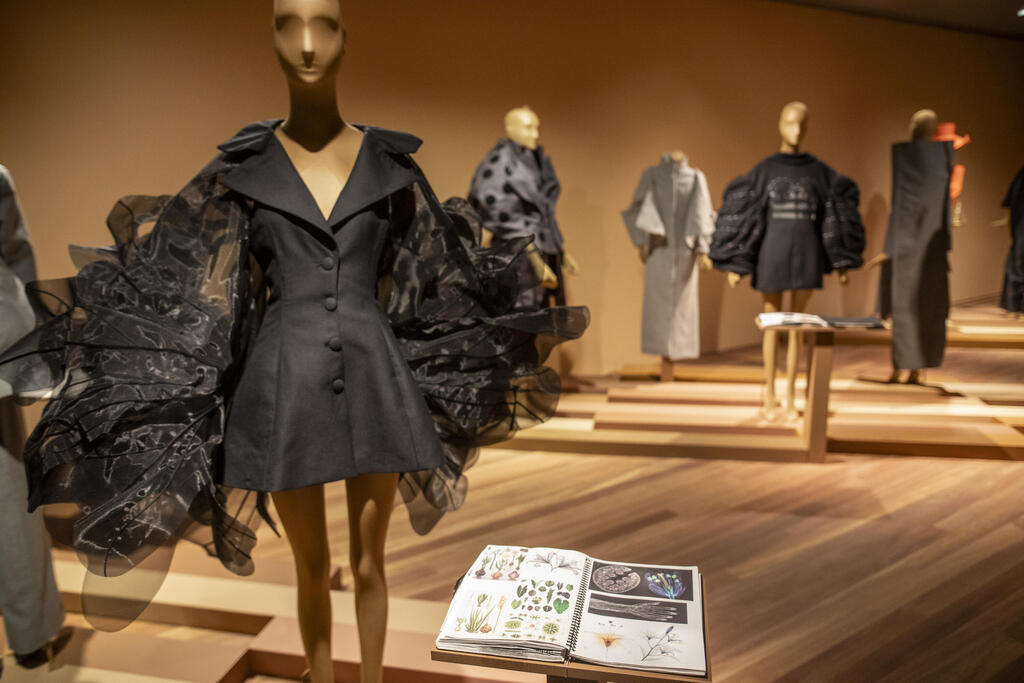
Designs by Shelly Lazarovitch of Shenkar at the Balenciaga Museum
(Photo: shenkar)