

Last Sunday marked an unusual moment in Israeli television. 'yes' issued a special notice informing viewers that Episodes 7 and 8 of the hit series Fauda contain especially difficult scenes and could be skipped without missing the season’s main storyline.
The warning was understandable. The two episodes deal with the deepest wound in Israeli society: the October 7 massacre.
Following the broadcast, Issacharoff, who created the series with Lior Raz, director and screenwriter Omri Givon, who wrote the two episodes, and actor Yaakov Zada Daniel, who plays Eli, appeared on the new Be.po podcast.
“These episodes take us back to 3 a.m. on October 7, when the security establishment began to realize something was wrong, just as it happened in real life,” Issacharoff said. “Then-Shin Bet chief Ronen Bar arrived at headquarters and mobilized the Tequila teams to head south. The episodes begin with that call-up. From there, everything unfolds — the rocket fire, the terrorist infiltration and what happens when one of the team members becomes isolated because he’s in the middle of a battle while his family is trapped in one of the southern kibbutzim under attack.”
How do you even begin writing, directing and acting in episodes like these?
Givon: “Personally, I had no desire to touch that day. I was invited to take part in several October 7-related projects and kept asking why. What could I possibly add? We’re still in the middle of the war.
“With the new season of Fauda, I knew they were rethinking everything after October 7 and that there would be two episodes dealing directly with the attack. Again, the question was why. But we realized it was important to the characters’ story arcs. I was also very interested in portraying the aftermath, the trauma.”
Gallery
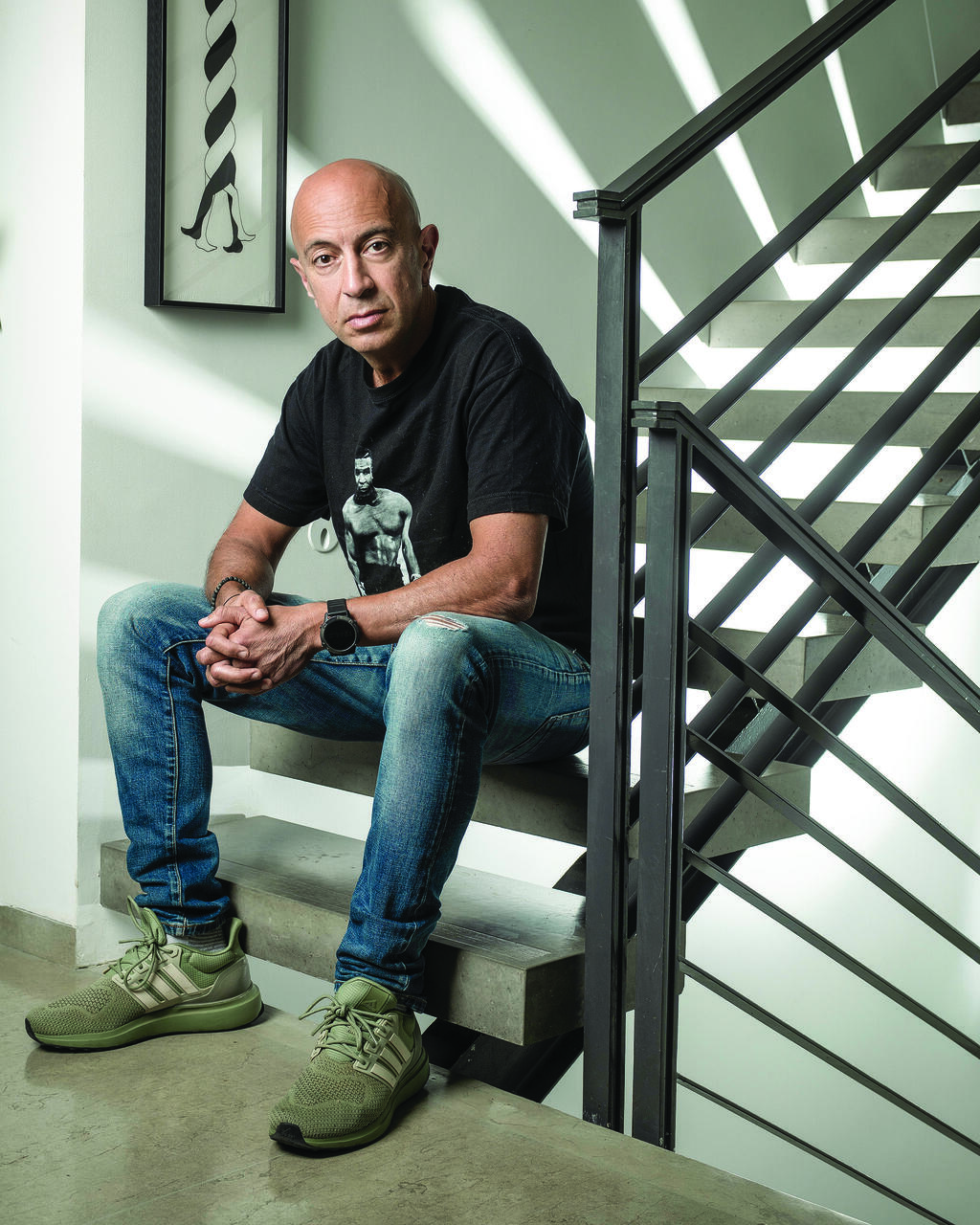
Avi Issacharoff. 'These episodes take us back to 3 a.m. on October 7, when the security establishment began to realize something was wrong'
(Photo: Ilya Melnikov)
Yaakov Zada Daniel: “I loved the idea of seeing it through Fauda’s eyes. It takes the story somewhere different because these are characters the audience already knows. The connection is different. It’s not a documentary.
“I’m grateful to Fauda for giving me a chance to release everything I’d been carrying inside. I wasn’t in the fighting. I wasn’t one of the soldiers on the ground. I felt I hadn’t contributed anything during the most significant event in Israel’s history, and that sent me into a deep depression. That feeling of helplessness — how could I just be sitting at home?”
Issacharoff said the fifth season had already been in development before October 7.
“We had started writing the season before October 7, but then everything changed,” he said. “Nothing we had was relevant anymore. There was a new reality, a completely different world. We threw everything out and started over. We realized there was a story that was burning inside all of us.
“Omri Shenhar, the head writer for Season 5, suggested making a standalone episode that showed what happened to our characters that day. We saw it as a mission. Audiences in 190 countries will watch characters they’ve spent four and a half seasons with experience the catastrophe, the massacre, this horrific event. It’s a punch to the gut.
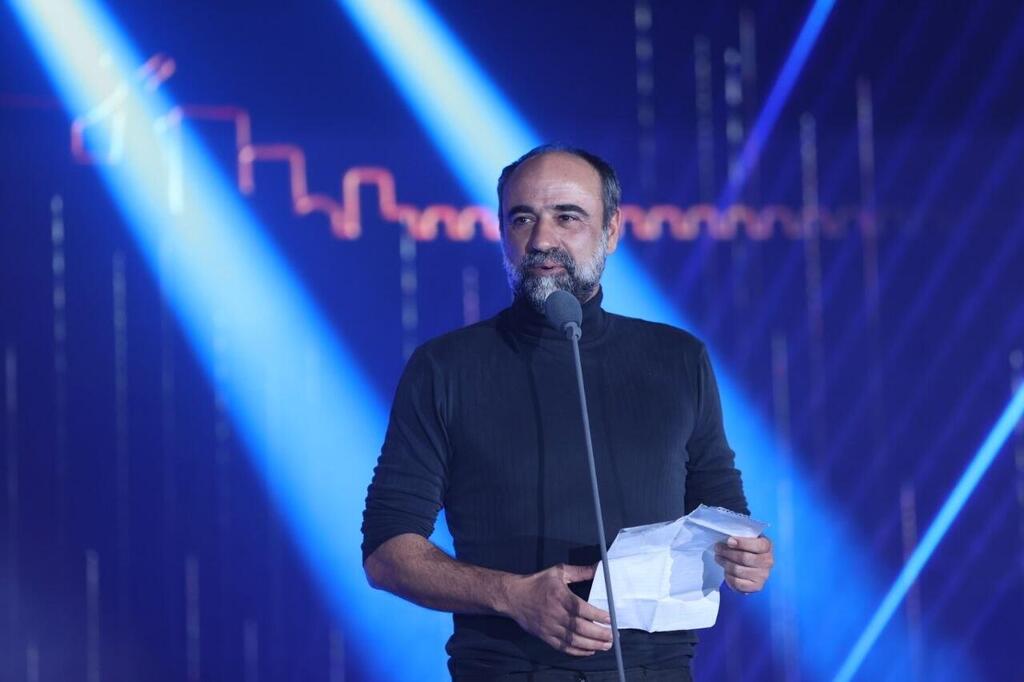
Yaakov Zada Daniel. 'I went to Kfar Aza and the Nova site because I wanted this event to get into my blood, into my soul'
(Photo: Alex Kolmoisky)
“Even in India or Argentina, viewers can connect to these characters and understand what happened here. It won’t matter what disaster deniers, at home or abroad, have to say. There was a colossal failure, a catastrophe, a massacre — all at once. We felt we had to tell this story, and the idea was to let viewers experience it through the eyes of Fauda’s characters.”
“October 7 is so extraordinary that it couldn’t simply become part of the season’s regular plot.”
Before I watched the episode, you warned me it would be difficult — and it was. How did you determine where the boundaries were? How graphic could you be, and where did you stop?
Givon: “We wrestled with those questions because it’s such a sensitive subject. You don’t want to exploit the horror or make a snuff film, but you also don’t want to understate it. The real horror can’t even be depicted. The challenge was finding ways to acknowledge that these things happened — including rape — without actually showing them. There was a massacre of young people, so maybe we show two frames and the audience understands what happened.”
Zada Daniel: “I went to Kfar Aza and the Nova site because I wanted this event to get into my blood, into my soul. I wanted firsthand testimony, and I think Episodes 7 and 8 are a form of firsthand testimony. They make this event part of us. We’ll be able to tell our grandchildren about it.”
Why make these episodes stand alone?
Issacharoff: “October 7 is such a singular, unprecedented event that you can’t simply weave it into the season’s ongoing storyline. It stands apart. It’s one long flashback, essentially a film documenting the hardest day in Israel’s history and in Jewish history since the Holocaust.
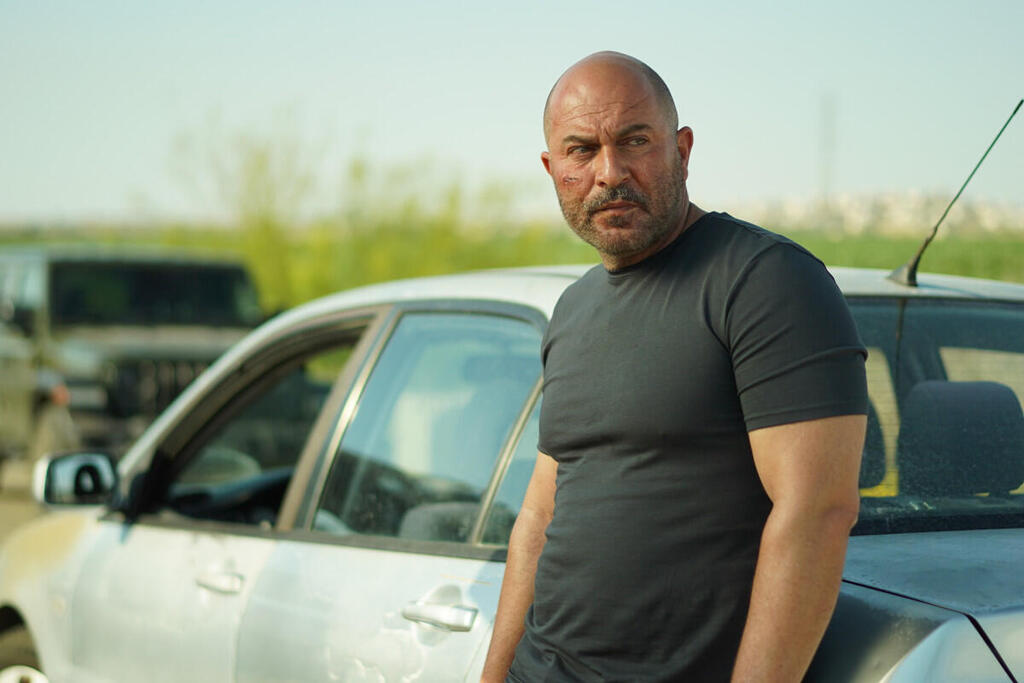
From"Fauda, Season 5
(Photo: Elia Spinopoulos, courtesy of yes)
“You have to approach it with reverence. My hands were shaking. You ask yourself whether you’re being cynical, whether you’re using the blood of the people who were murdered.
“In the end, I think we answered that clearly: No. Quite the opposite. As an Israeli, as a Jew, as someone who lives here and cares about this country and has the ability to tell a story to the world, it’s not a privilege. It’s an obligation. You’re like a prayer leader standing before a congregation, giving voice to the cry of the Jewish people and the State of Israel.
“People abroad don’t understand. Right now, they see Israel as ‘the bad guys.’ Our enemies have succeeded in erasing and blurring reality, and unfortunately some people here are trying to blur it for other reasons. This is much bigger than us or than Fauda. We’re leaving behind a legacy for years to come, certainly for Jews but not only for them.”
For years, Fauda has portrayed the complexity of the conflict and given depth to its Palestinian militant characters. The atrocities committed by the Nukhba terrorists and others who invaded Israel on October 7 challenged the creators in a new way.
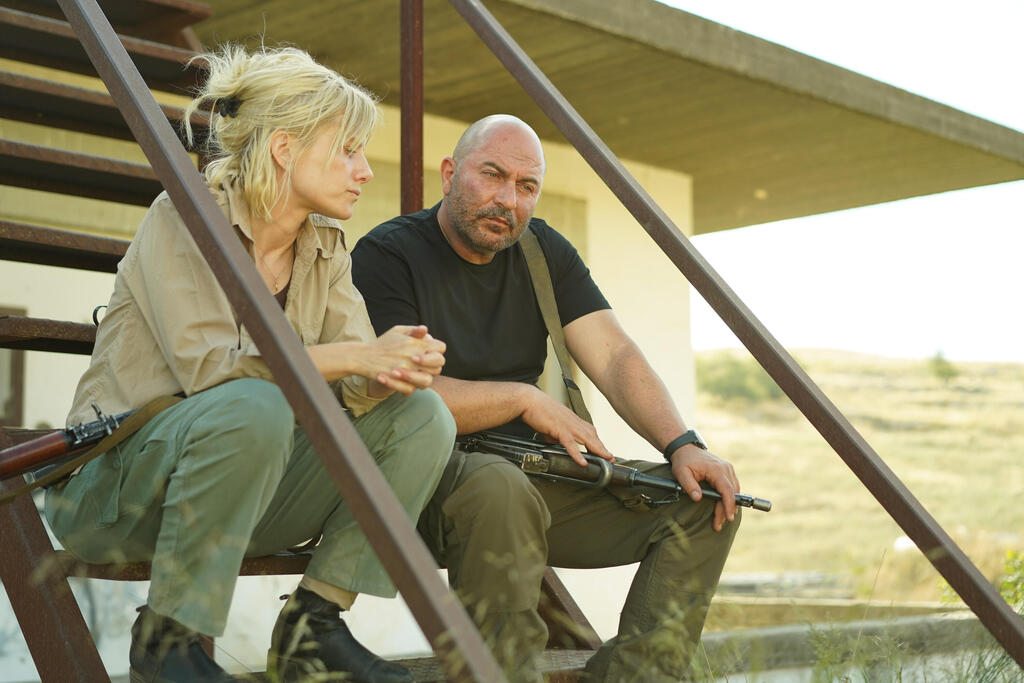
For years, Fauda has portrayed the complexity of the conflict and given depth to its Palestinian militant characters
(Photo: Elia Spinopoulos, courtesy of yes)
“People asked whether Fauda would still try to present both sides,” Issacharoff said. “But this event is different. Here, you want to tell the story from an Israeli perspective. You want to show the monsters — some of whom, as we learned from released hostages, were doctors and journalists. It’s insane.
“I’m referring to the female soldiers who were held in the apartment of an Al Jazeera journalist. I was in contact with Gazan journalists from Al Jazeera and other media outlets, and in the end you realize what some of them were doing and what they were responsible for.
“I can assure you that many of the Nukhba terrorists also had civilian jobs alongside their terrorist activities. That’s how people work in Gaza. You don’t have just one job — you have several. It was important for us to show that hypocrisy. We wrote these characters the way we imagined them: people driven by a very clear ideology. Every one of them carried a machete in his vest. We made sure that was in the script. They came to slaughter — not just to kill, but to massacre civilians, women and children.”
I can only imagine what it was like for the actors who had to portray the terrorists.
Givon: “There were several instances where an actor had to aim a weapon at children and fire, and he simply couldn’t do it. Every time we called ‘Action,’ he turned his head away. I told him, ‘You have to look,’ but he just broke down crying. It was incredibly hard for him. Some of the actors held themselves together until we finished the scene and then fell apart afterward. It wasn’t easy for anyone.”