

More than 1,000 filmmakers have signed a petition in support of directors Yuval Abraham and Rachel Szor following the uproar surrounding the film “NAZA,” amid claims that it defames Israel internationally.
The petition was signed by figures from the film and cultural worlds, some more prominent than others. Signatories include filmmaker Liran Atzmor, one of the petition’s initiators, filmmaker Nadav Lapid, director Orna Ben Dor, Netalie Braun, Rani Blair, Hagai Levi, Shai Carmeli-Pollak, Shlomi Elkabetz and others.
Gallery
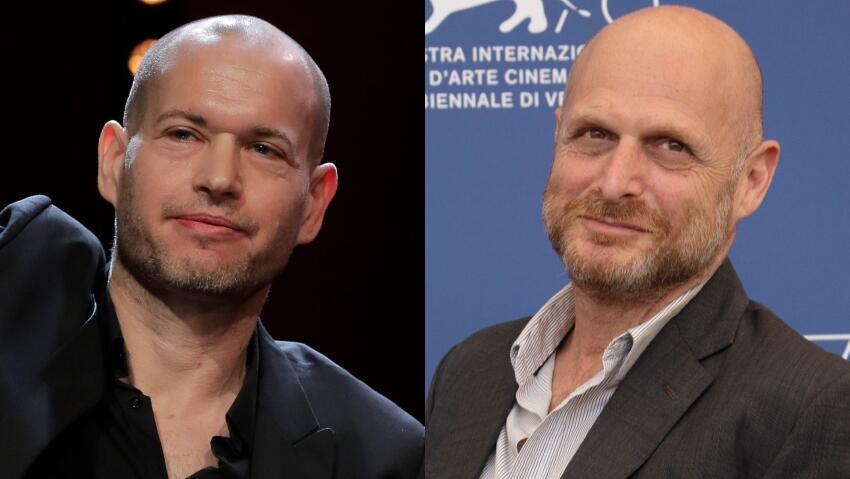
Israeli filmmakers Hagai Levi and Nadav Lapid signed the petition
(Photos: Joel C Ryan, Markus Schreiber / AP)
The petition states: “We, filmmakers and creators, call on everyone who is still fighting for freedom of expression and artistic freedom to join us in expressing support and solidarity with Rachel Szor and Yuval Abraham, the creators of the film ‘NAZA.’ In recent days, we have witnessed an unprecedented campaign of vilification and incitement against the film’s creators, one that is drawing ever closer to effectively sanctioning violence and posing a physical threat to their lives.
“The central role of art and journalism is to hold up a mirror to the society in which they exist and to generate discourse and debate without giving anyone a pass, even when the reality is difficult. Quite apart from the violent incitement we have seen on social media against Abraham and Szor, we believe it is appropriate to strongly criticize those filmmakers, academics and journalists who chose to attack the film ‘NAZA’ without having seen it!
“Until now, we had grown accustomed to this approach from the usual suspects, such as the culture minister and other populists. The fact that respected colleagues and writers have joined this trend is a clear sign of the deterioration of public discourse in Israel and lends support to Minister Zohar’s threats to revoke Szor and Abraham’s citizenship.
“We, too, have not yet seen the film. Criticism of films and works of art in general is a legitimate form of expression in a society that seeks to be healthy and functional, but the inflammatory and violent discourse directed at the film’s creators for daring to express their views should concern every one of us, regardless of our opinions. We hope the film will be distributed in Israel as soon as possible so that everyone can watch it, form their own opinion and engage in a genuine, initial discussion about the war in Gaza and its consequences — a discussion that, until now, has barely taken place in the Israeli media or Israeli society.”
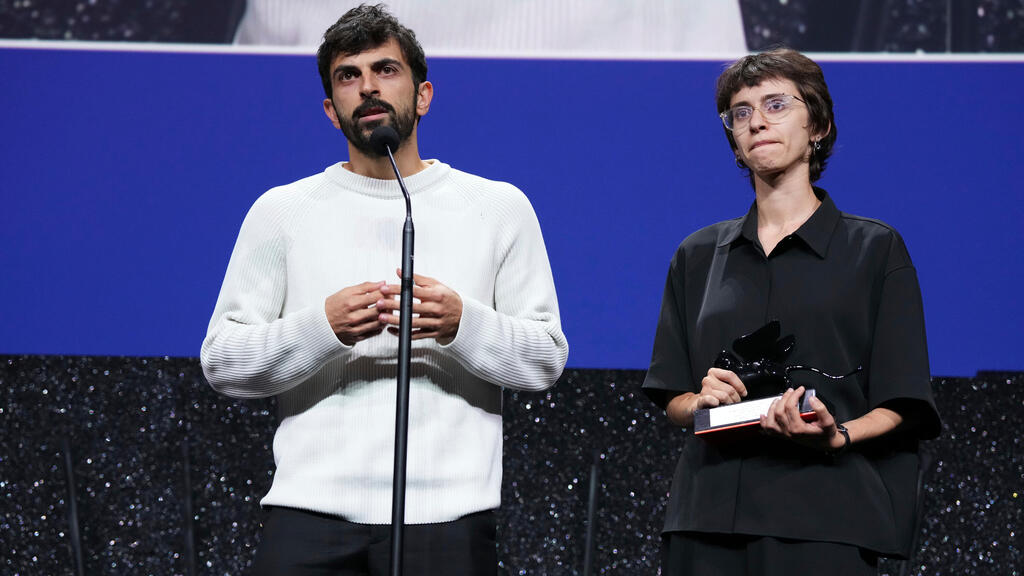
'NAZA' directors Yuval Avraham and Rachel Szor at the Venice Film Festiva
(Photo: Scott A Garfitt/Invision/AP)
“NAZA” was filmed on the rooftops of Tel Aviv during the war in Gaza and features what are presented as interviews with 24 male and female soldiers from Unit 8200, who purportedly offer disturbing testimony about the IDF’s collateral-damage policy, as well as its bombardments and targeted killings.
One of the issues raised in the film is the use of artificial intelligence by Unit 8200 personnel, which allegedly provided recommendations on whom to kill based on phone surveillance, even when, according to the interviewees, doing so involved killing family members. The director, meanwhile, has refused to disclose what evidence exists to support the claims, while the IDF chief of staff and the IDF spokesperson have denied the allegations raised in the film.