

On October 28, 2023, three weeks after the October 7 attacks, Israelis were only beginning to come to terms with the scale of the catastrophe that had struck the country. News from the rest of the world barely managed to break through the relentless coverage of the war. News websites were filled largely with photographs of the fallen, reports about hostages and stories attempting to piece together what had happened. But then, in the early hours of Sunday morning, news arrived that reminded us that even as life in Israel had come to a standstill, the world beyond its borders had continued moving: Matthew Perry, everyone's beloved "Friend," had been found dead in the hot tub at his Los Angeles home. He was just 54.
The news caught Perry's fans completely off guard, and not only because of his relatively young age. Less than a year earlier, in November 2022, Perry had published his memoir, "Friends, Lovers, and the Big Terrible Thing," in which he revealed his long struggle with addiction and portrayed himself as someone who had finally reached a stable place in life.
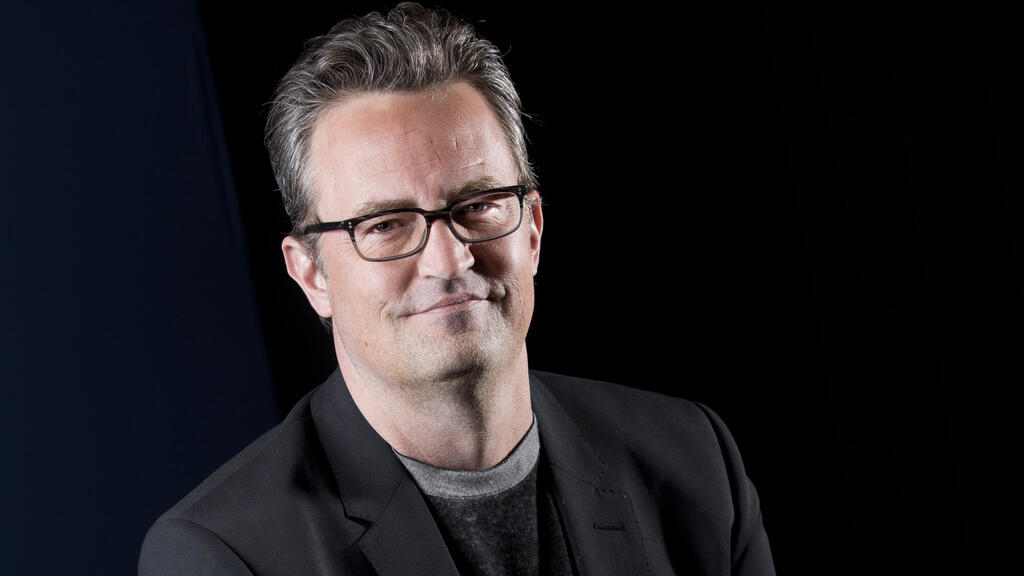
During an appearance on the "Heart of the Matter" podcast, hosted by journalist Elizabeth Vargas, while promoting the book, Perry explained that he had opened his memoir with an account of the night he nearly died, when his parents arrived at the hospital and were told he had only a 2% chance of surviving until morning.
Perry recalled being placed on an ECMO machine, a form of life support used as a last resort for critically ill patients. That night, five patients at the hospital, including Perry, were connected to ECMO machines. Four died, while he survived. The experience left him struggling to understand why he had lived when the others had not. Eventually, he came to believe that his survival was connected to a larger purpose: helping others, which he said was the only thing that had ever given his life genuine meaning.
That realization ultimately inspired him to write his memoir, hoping that sharing his experiences would help people facing similar struggles. The book's dedication was addressed to people suffering around the world, with the acknowledgment that they would recognize themselves in its message. Perry also emphasized that he could not have written the book without first reaching a period of genuine stability in his sobriety, something for which he was deeply grateful.
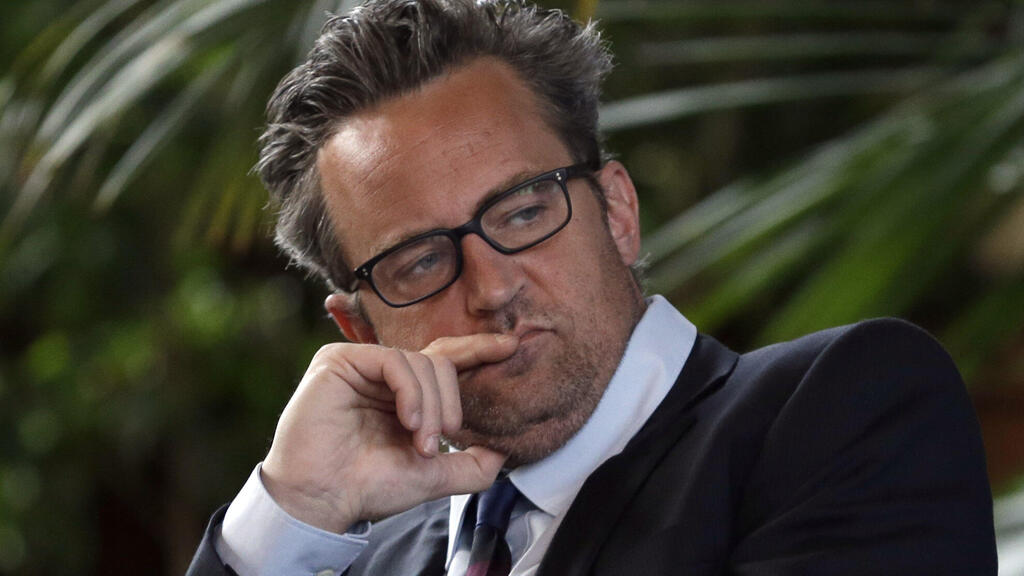
(Photo: AP Photo/Jeff Roberson)
At the time, Perry believed he had found the reason and explanation he had been searching for, and that after years of addiction, he had finally reached a place of stability. Just 361 days after the book was published, he was found dead at his home from the acute effects of ketamine. Three years after his death, it is difficult not to revisit that statement and wonder what happened in the year between his hope for a new beginning and his tragic end.
'I had my first drink when I was fourteen'
Matthew Langford Perry was born in Massachusetts in 1969 but spent most of his childhood in Canada. His parents, actor John Bennett Perry and journalist Suzanne Morrison, separated when he was an infant. His father moved to Los Angeles to pursue his acting career, while his mother raised him in Ottawa, where she worked, among other roles, as a spokesperson for then-Canadian Prime Minister Pierre Trudeau. By the age of 5, Perry was already flying alone to visit his father, an experience he would later describe as one of the sources of the sense of abandonment that followed him throughout his life. His mother subsequently married journalist and television personality Keith Morrison, and the couple started a new family. As Perry recounted in his memoir, he sometimes struggled to find his place in that family and felt he had to compete for his mother's attention.
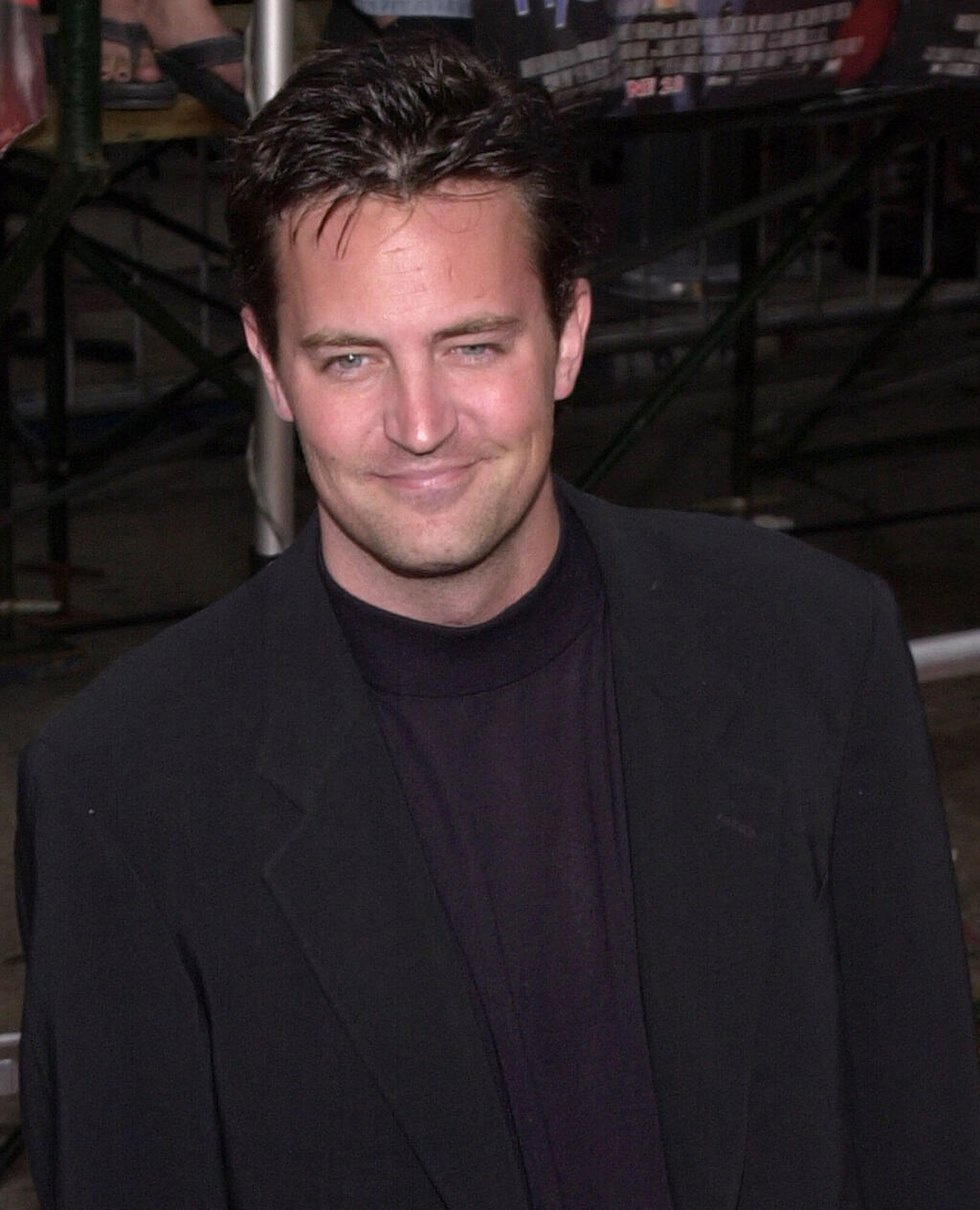
As his career soared, his personal life deteriorated
(Photo: Chris Weeks/Liaison/GettyImages)
His first exposure to potentially addictive substances came in infancy. In his book, Perry described how, when he was just a month old, his exhausted parents sought medical help because of his incessant crying, and a doctor prescribed phenobarbital, a sedative. For a month, the infant was given the medication, which put him into a deep sleep. "I was noisy and needy, and it was answered with a pill," he wrote, explaining that he continued to suffer from sleep problems decades later and wondered whether the medication he had received as an infant had affected his life.
As a teenager, Perry appeared to be making rapid progress toward a career in professional sports, ranking among Canada's leading junior tennis players. But at 14, he also discovered alcohol and got drunk for the first time. "I had my first drink when I was fourteen. I held off as long as I could. At this point I was hanging out a lot with two brothers, Chris and Brian Murray," Perry wrote in his memoir, describing how, within about 15 minutes, all the alcohol was gone.
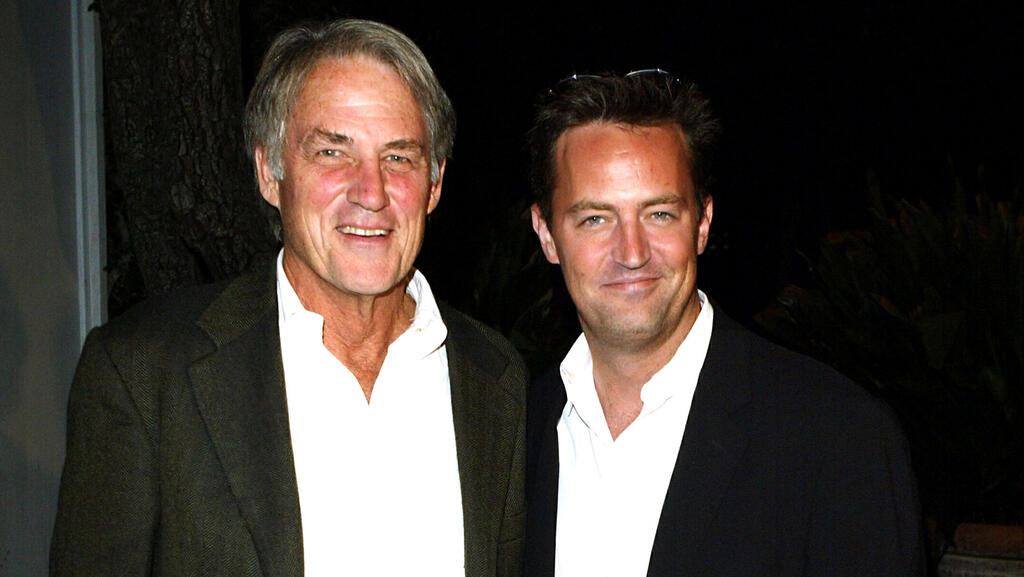
Matthew Perry with his father, John Bennett Perry
(Photo: Frazer Harrison/Getty Images)
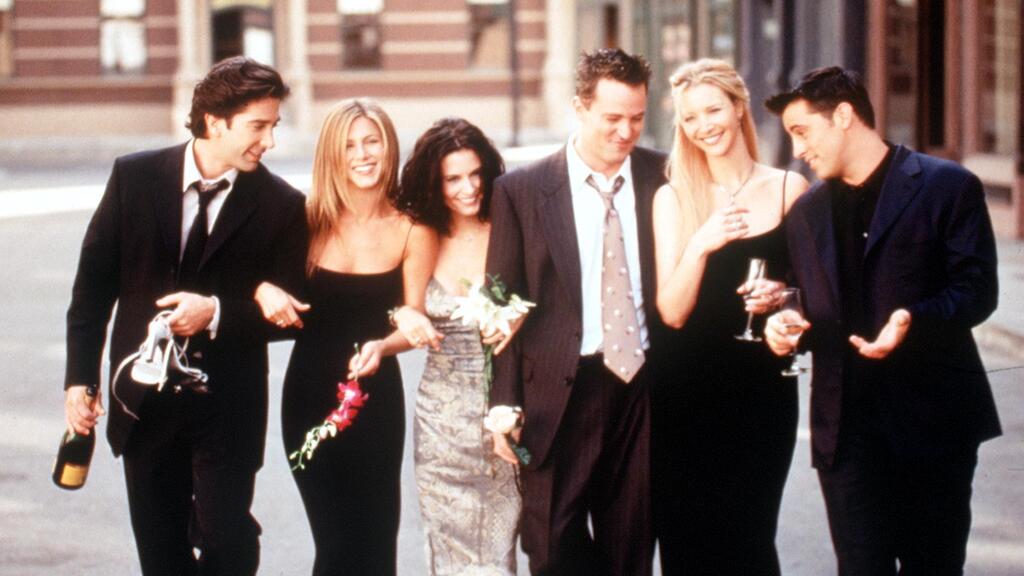
A year later, he moved to Los Angeles to live with his father. There, he discovered that the standard of tennis was far higher than what he had known in Canada, and he gradually began focusing on another passion: acting. After several television and film roles, including an appearance alongside River Phoenix in "A Night in the Life of Jimmy Reardon," the opportunity that changed his life arrived in 1994. Perry, then 24, was cast as Chandler Bing in a new NBC sitcom called "Friends." The series, which followed the lives of six young adults in New York City, quickly became a runaway success, turning Perry into one of the most recognizable television stars in the world.
For 10 seasons, he played Chandler Bing, the sarcastic, insecure character who hid behind an endless stream of jokes. From the apartment he shared with Joey, the chick and the duck, through his on-again, off-again relationship with Janice and her legendary "Oh. My. God," to his secret romance with Monica, which became one of television's most beloved love stories. During the show's final two seasons, each of its six stars earned $1 million per episode. Perry, who received an Emmy nomination for his performance, had achieved the fame he had always dreamed of.
'Friends'
(Photo: Getty Images)
Alongside "Friends," Perry continued developing his film and television career. He appeared in "The West Wing" and the comedy "The Whole Nine Yards" opposite Bruce Willis, who later guest-starred on "Friends." According to a well-known Hollywood anecdote, Willis appeared on the show for free after losing a bet to Perry. Following the end of "Friends" in 2004, Perry went on to star in projects including "Studio 60 on the Sunset Strip" and the film "17 Again" alongside Zac Efron.
But as his career soared, his personal life deteriorated. His alcohol addiction worsened, and while filming "Fools Rush In" with Salma Hayek, Perry was injured in a Jet Ski accident and was prescribed the painkiller Vicodin for the first time. In his memoir, Perry reflected on how profoundly that moment changed his life, believing that the following three decades might have unfolded entirely differently had he never taken the medication, though he acknowledged there was no way to know for certain. He also recalled that by the time he woke up, another 40 pills had already been delivered to his home.
'He spent $7 million trying to get sober'
At the height of his addiction, Perry told ABC News, he needed no fewer than 55 Vicodin pills a day and was willing to do almost anything to obtain them. He went from doctor to doctor, fabricated migraines and even underwent unnecessary MRI scans just to secure additional prescriptions. Perry recalled visiting open houses on Sundays, where he would head into the bathrooms, search the medicine cabinets for prescription pills and steal them. He believed the homeowners would never suspect that the actor who played Chandler on "Friends" had entered their homes and stolen their medication.
In 1997, at age 27, Perry entered rehab for the first time. Speaking on the Heart of the Matter podcast, he recalled weighing just 59 kilograms (130 pounds) and being seriously ill, even as he continued acting on "Friends." He described himself as the kind of addict who pushed himself to the brink, until he had nowhere left to turn. He also acknowledged that he could not drink alcohol because once he started, he was unable to stop.
Between stays in rehabilitation facilities, Perry continued working, and devoted "Friends" fans began noticing the dramatic changes in his appearance over the years. In his memoir, he explained that his weight from season to season reflected the state of his addiction. When he was heavier, alcohol was the problem; when he was thin, he was taking pills; and when he had a goatee, his pill use was particularly heavy. One striking example was the transition between the final episode of Season 6 and the first episode of Season 7, which take place on the same night, around Chandler's marriage proposal to Monica. Perry recalled wearing exactly the same clothes in both episodes but losing nearly 23 kilograms (50 pounds) between the two seasons.
In 2001, during filming of the seventh season of "Friends," Perry entered rehab again. Three weeks later, he called the show's creators, Marta Kauffman and David Crane, and told them he was clean and ready to return to filming. They asked him to come back as soon as possible, but Perry was still seriously ill. His father, who overheard the conversation, called the creators himself and threatened to pull his son from the series if they continued pressuring him.
Two weeks later, Perry was back on set, heading straight into filming the wedding. In his memoir, he recalled filming Chandler's wedding to Monica before being driven directly back to the rehabilitation center. He reflected on the painful irony of returning to treatment at the height of his success on "Friends," at the peak of his career and immediately after filming one of the show's most iconic moments.
In an interview with ABC, Perry admitted that watching clips from "Friends" was extremely difficult because he felt sorry for the person he saw on screen. Looking back, he recognized a man who had lost control of his life, although he had not fully understood what was happening to him at the time. He found it painful to watch himself struggling through such overwhelming difficulties.
Perry continued struggling with addiction in the years that followed, alternating between periods of sobriety and repeated relapses. Speaking on the podcast, he recalled attending Alcoholics Anonymous meetings for years, where people repeatedly told him that if determination and hard work alone were enough to overcome addiction, he would have achieved lasting sobriety two decades earlier. He had tried to quit countless times but eventually came to believe that recovery also required a spiritual connection and faith in something greater than himself. For Perry, that connection developed gradually and ultimately saved his life.
He also acknowledged that undergoing treatment at 14 rehabilitation centers was an extraordinary number. At times, he managed to remain sober for two years, while at others, his sobriety lasted only six months. Nevertheless, he maintained that he had been sober for most of the period since 2001, despite experiencing approximately 50 to 60 relapses. Some lasted just two weeks, while others continued for as long as six months. He emphasized that addiction was a progressive disease that worsened over time.
In the trailer for Netflix's documentary series "The One About Matthew Perry," which premieres October 27, his sister, Mia Perry Bowick, says: "My brother would talk about that feeling of emptiness or loneliness that he couldn’t quite fill. He spent $7 million trying to get sober — that’s how seriously he took his disease."
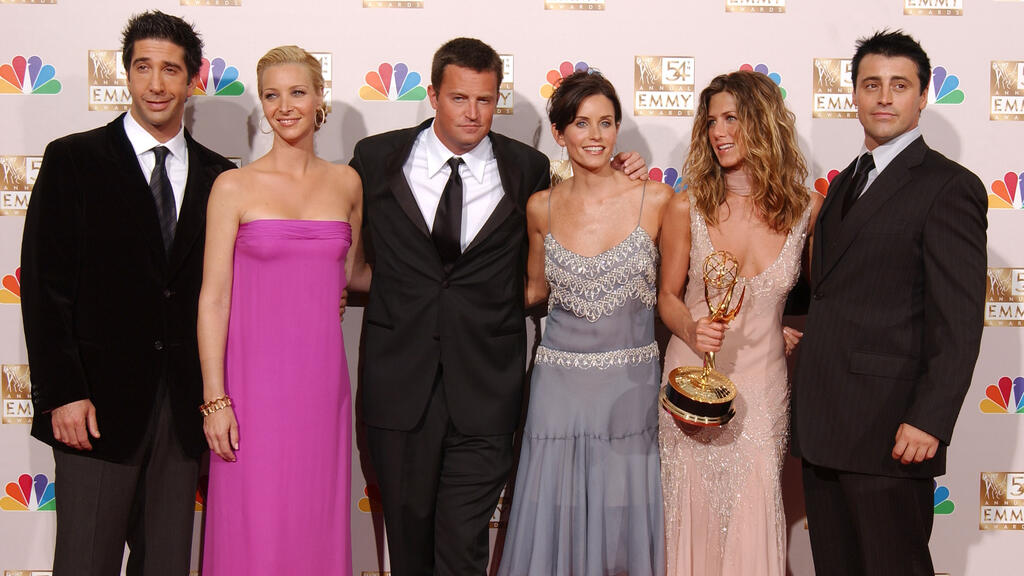
That prolonged struggle also affected his "Friends" co-stars, who had to confront his condition without always knowing how to help. "We weren’t equipped to deal with it," Jennifer Aniston previously told ABC, fighting back tears. "Nobody had ever dealt with that. And the idea of even losing him..."
In the foreword to Perry's memoir, Lisa Kudrow, who played Phoebe on "Friends," recalled that he had kept his struggles secret and that it took him considerable time before he felt comfortable discussing what he had been through. She explained that during those years, she had not tried to intervene or confront him because her limited understanding of addiction led her to believe that his sobriety was beyond her control. Nevertheless, she sometimes questioned whether she had been wrong not to do more, or at least attempt something to help him. At the same time, she recognized that addiction was a relentless, self-perpetuating disease that continued to fuel itself and resist efforts to stop it.
Courteney Cox, Matthew Perry, Lisa Kudrow, Jennifer Aniston, David Schwimmer and Matt LeBlanc
(Photo: Getty Images)
Even three years after his death, publicly discussing Perry's story appears to remain difficult for his former co-stars. Ahead of the Netflix documentary's release, reports said the five surviving "Friends" stars, Aniston, Kudrow, Courteney Cox, Matt LeBlanc and David Schwimmer, had been approached by the production but chose not to participate. According to a source who spoke to the celebrity news website Page Six, Aniston found the loss too painful to revisit. "She isn’t going to sit down and start crying on camera," the source explained. "She doesn’t want to relive it and have it be so public."
'The One Where Our Hearts Are Broken'
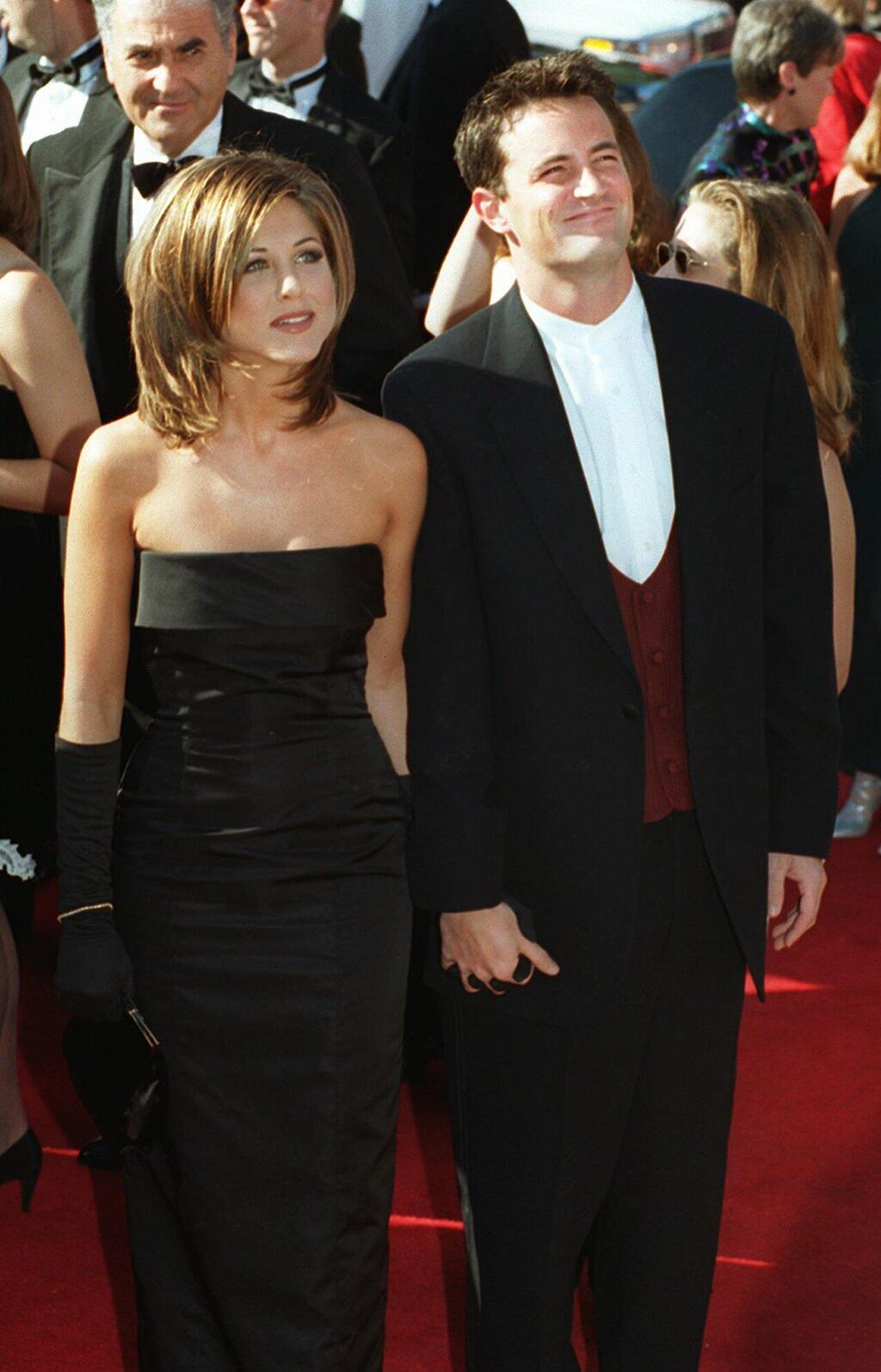
In the final months of his life, there were still plenty of reasons to believe Perry was doing well. In April 2023, he appeared at the Los Angeles Times Festival of Books, where, when asked how he wanted to be remembered, he said he hoped people would remember him as someone who had lived, loved and helped others. Marta Kauffman, one of the creators of "Friends," also recalled speaking to him two weeks before his death and said he had sounded happy and full of life. Jennifer Aniston, who exchanged messages with him on the morning he died, later said: "He was happy. He was healthy. He had quit smoking. He was getting in shape. He was happy – that's all I know."
Matthew Perry and Jennifer Aniston
(Photo: AP Photo/Chris Pizzello)
At first, it was unclear exactly what had caused Perry's death. The actor was found lifeless in the hot tub at his Los Angeles home, and it was only about six weeks later that the autopsy findings were released. The medical examiner determined that he had died from the acute effects of ketamine, with drowning and other medical factors contributing to his death. The report noted that Perry had been receiving ketamine treatments for depression and anxiety, but his last treatment had taken place about a week and a half before his death and could not account for the levels of the drug found in his system.
In May 2024, it emerged that a criminal investigation had been launched to trace the source of the ketamine. In August, authorities announced charges against five people connected to the case. Two were arrested that day: Dr. Salvador Plasencia and Jasveen Sangha, a drug dealer known as the "Ketamine Queen." The other three, including another doctor and Perry's personal assistant, had already pleaded guilty or reached agreements with prosecutors.
Court documents revealed that in the final months of his life, Perry began seeking larger quantities of ketamine than his treating physician was providing. That led him to Plasencia, who, in correspondence with another doctor, Mark Chavez, wondered: "I wonder how much this moron will pay," according to charging documents. Plasencia sold Perry tens of thousands of dollars' worth of ketamine, personally injected him with the drug, including inside a car in a public parking lot, and even taught his personal assistant, Kenneth Iwamasa, how to administer injections despite his lack of medical training.
Meanwhile, Erik Fleming, an addiction counselor, acted as an intermediary between Perry's assistant and Jasveen Sangha, who operated a drug distribution network from her North Hollywood home. Over 11 days in October, the assistant purchased 51 vials of ketamine through Fleming. According to court documents, in the final days of Perry's life, Iwamasa was injecting him with the drug six to eight times a day, even though he had found the actor unconscious at least twice earlier that month.

(Photo: Matt Sayles/AP)
On October 28, the day Perry died, Iwamasa injected him with ketamine three times. Before the final injection, the actor told his assistant: "Shoot me up with a big one." Iwamasa administered the drug and left to run errands. When he returned, at around 4 p.m., he found Perry lifeless in the hot tub. The investigation revealed that the assistant had concealed the injections from police and disposed of evidence, while Sangha sent Fleming a message after news of Perry's death broke: "Delete all our messages."
The legal proceedings concluded in May 2026, after all five defendants pleaded guilty. Plasencia was sentenced to two and a half years in prison, Chavez to eight months of home confinement, Fleming to two years in prison and Iwamasa to 41 months behind bars. The harshest sentence, 15 years in prison, was imposed on Sangha, who admitted, among other things, to supplying the ketamine that caused Perry's death.
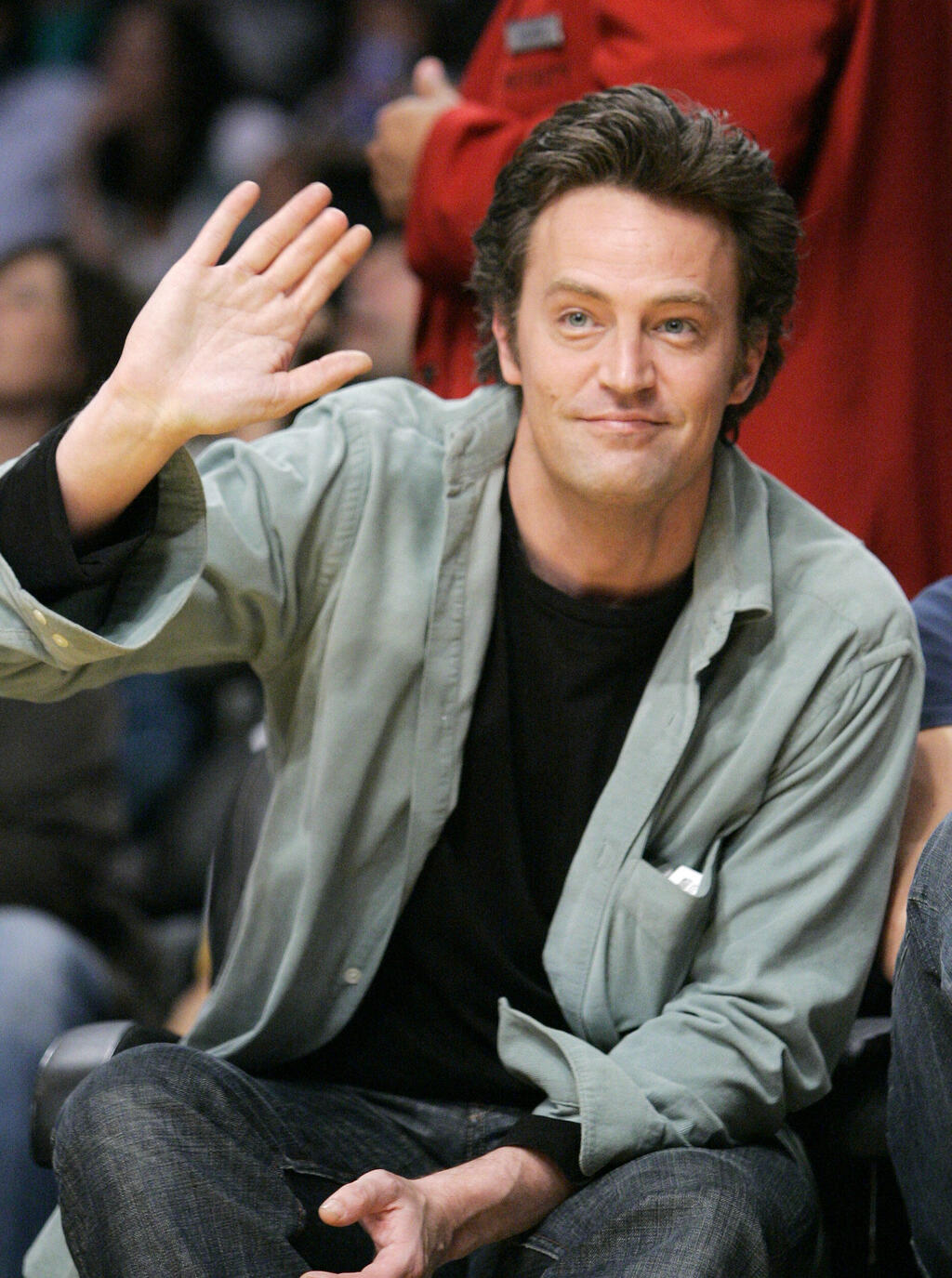
Immediately after his death, and long before the circumstances surrounding it became clear, news of Perry's passing sent shock waves through Hollywood. A few days later, his five "Friends" co-stars released a joint statement: "We are all so utterly devastated by the loss of Matthew. We were more than just castmates. We are a family. There is so much to say, but right now we’re going to take a moment to grieve and process this unfathomable loss."
The show's creators, Marta Kauffman and David Crane, and executive producer Kevin Bright chose to say goodbye with a tribute inspired by the sitcom's famous episode titles: "This truly is The One Where Our Hearts Are Broken."
Matthew Perry
(Photo: AP)
"My friend, you are gone much too soon, but I will continue to cherish your silliness, your perseverance, and your lovely heart," wrote Salma Hayek, who starred alongside him in "Fools Rush In."
Hank Azaria, a close friend who played David, one of Phoebe's love interests on "Friends," recalled that Perry had helped him overcome his own alcohol addiction. "I want to say that the night I went into Alcoholics Anonymous, Matthew brought me in. The whole first year I was sober, we went to meetings together. As a sober person, he was so caring and giving and wise and he totally helped me get sober. I really wish he could have found it in himself to stay with the sober life more consistently."
In his memoir, Perry recounted how, three weeks before landing the role of Chandler Bing, he got down on his knees and prayed: "God, you can do whatever you want to me. Just please make me famous."
"God certainly kept his side of the bargain," Perry wrote, "The Almighty being the Almighty had not forgotten the first part of that prayer as well."
Perry achieved the fame he had wanted so desperately, but it could not fill the emptiness that had followed him throughout his life, nor could it save him from addiction. In his final years, he tried to find meaning instead by helping others.
"You have to get famous to know that it’s not the answer," he wrote in his memoir. "And nobody who’s not famous will ever truly believe that."