

British pop icon Boy George arrived in Israel on Saturday ahead of two concerts in Tel Aviv, including a special performance dedicated to survivors of the Nova music festival massacre and their families.
The singer, best known as the frontman of the 1980s band Culture Club and hits such as "Karma Chameleon" and "Do You Really Want to Hurt Me," was welcomed at Ben Gurion Airport by Israeli-Canadian philanthropist Sylvan Adams and Guy Beser, co-owner of Live Nation Israel, which is organizing the concerts.
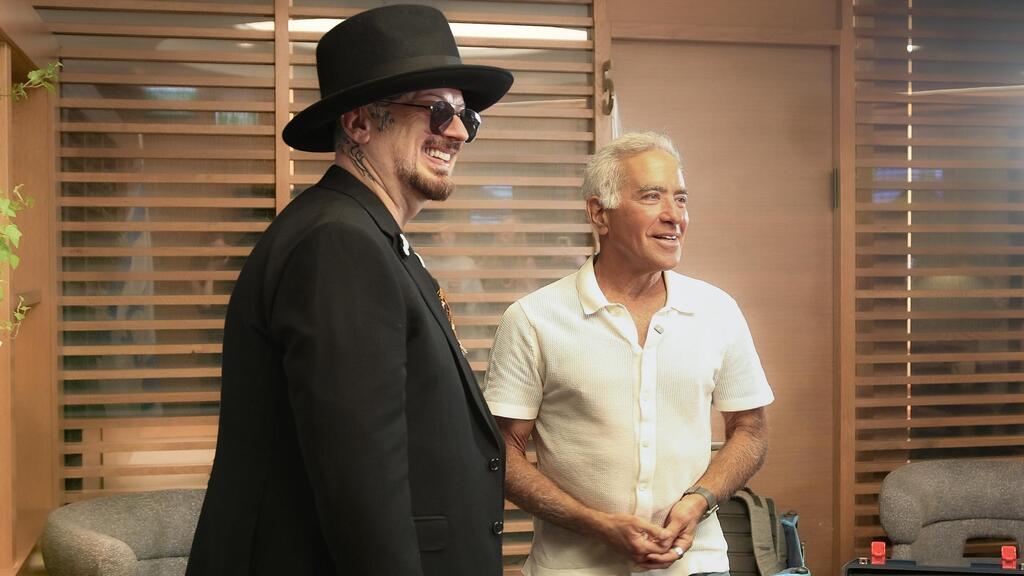
Boy George, who has publicly expressed solidarity with Israel and the Jewish community since the Hamas-led attacks of October 7, 2023, said his decision to speak out was deeply personal, driven by conversations with longtime Jewish friends in Britain who were struggling with fear and insecurity.
"It's insane that they're feeling so unsafe, powerless and frightened, and I just felt like I needed to say something," he said.
The singer explained that some of those friends had been part of his life since he was a teenager, making their experiences particularly difficult to ignore.
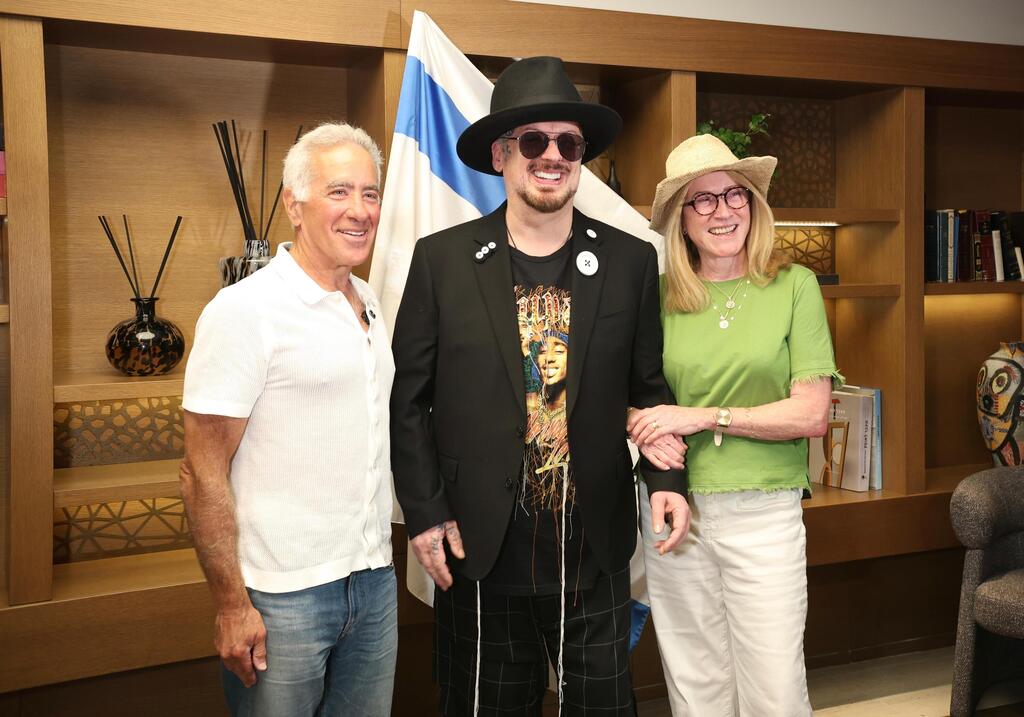
(Photo: Alon Levin)
"For me personally, it really boiled down to conversations with my close Jewish friends in the UK, people I've known since I was 15," he said. "I've got a lot of beautiful friends, and I feel I can speak about them and tell the world that they're beautiful people."
Those conversations also helped inspire his song "We Will Dance Again," a message of solidarity that takes on particular significance in Israel, where dancing has become a symbol of resilience following the massacre at the Nova music festival.
The festival, held near Kibbutz Re'im in southern Israel, was one of the deadliest sites of the October 7 attacks. Hamas-led terrorists killed 378 people at the gathering and abducted dozens more to Gaza, turning what had been a celebration of music and freedom into a symbol of the devastation of that day.
"I think, in a way, the song says everything I wanted to say," Boy George said, adding that the appreciation he had received from Jewish friends had been "quite overwhelming."
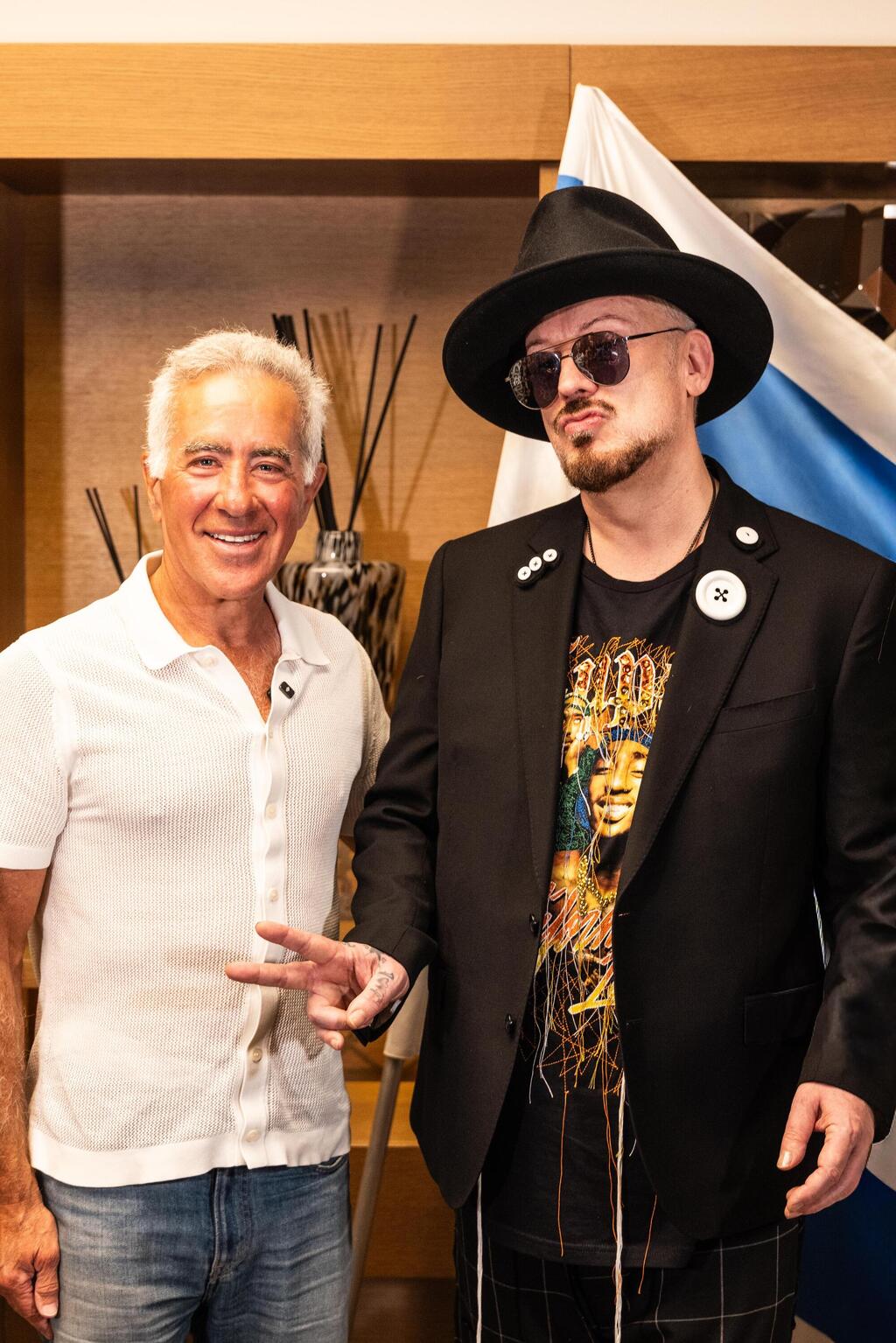
(Photo: Alon Levin)
Speaking at the airport reception, the singer emphasized that his visit was intended to convey a message of friendship and hope.
"I am here with you — out of love, out of a belief in peace and out of a desire for us to dance, live and celebrate together again," he said.
Adams, president of the World Jewish Congress Israel, thanked the singer for visiting at a time when Israel faces international criticism and Jewish communities around the world are grappling with antisemitism.
"We deeply appreciate your friendship, and your understanding that these are challenging times for Israel and the Jewish people," Adams said.
He went on to portray Israel's ongoing confrontation with Iran and radical Islamist groups as part of a broader struggle affecting Western democracies, warning that violent unrest in Europe demonstrated that the threat extended beyond Israel.
Boy George will perform in Tel Aviv on November 4, alongside Israeli singer Ivri Lider, and again on November 7, when he will be joined by DJ Ofer Nissim for a special concert dedicated to the Nova community and their families.
For a singer whose career has been closely associated with nightclub culture, self-expression and the power of music to bring people together, the visit carries a message that extends beyond the stage: a determination to see people dance again, even after tragedy.