

You can hardly blame screen-entertainment consumers, at this stage in humanity’s journey, for embracing the welcome return of the beloved traditional romantic comedy to their living rooms. In a world of dating apps, ghosting, endless swiping and "it’s complicated" — for people who fear commitment the way others fear appendicitis — the fantasy of a chance encounter and an irresistible love, despite all the obstacles along the way, is the greatest gift this genre can offer: warmth, excitement, hope, everything that is the opposite of today’s bureaucratic romance. That is, when it is done well, as in the case of "Voicemails for Isabelle," which conquered Netflix over the past week.
Over the years, the romantic comedy fell between the cracks. It was not a small, low-budget indie film that might win its creators an Oscar, nor an action franchise that would draw movie addicts to theaters. It was nothing to write home about, nothing that fell under the category of a "must-see event," just a cute, formulaic, mid-budget movie that gives you an enjoyable hour and a half at the end of the day, provided someone actually made the effort to invest in the dialogue and casting. Then came Netflix, with a different business model and far lower ambitions: to keep us from canceling our subscription, something that can certainly be done from the couch at home. The romantic comedy became the perfect tool.
Like the Hallmark Channel, which for years specialized in comforting, predictable and sentimental romances, especially Christmas movies or "career woman returns to her small town and meets a rugged, handsome carpenter" films that even earned the label "Hallmark movies," Netflix is also refining its offerings in the rom-com arena. Along the way, it is reviving this delightful and underappreciated genre, especially at a time when dating feels like another performance-based job. Whether you belong to the generation that grew up on Meg Ryan, Tom Hanks, Hugh Grant and Julia Roberts, or to the new generation discovering this magical world through TikTok, there is an audience for it. Netflix has gathered all its tired, poor, huddled masses yearning to breathe free, and served them 90 minutes of soothing, algorithmic fun.
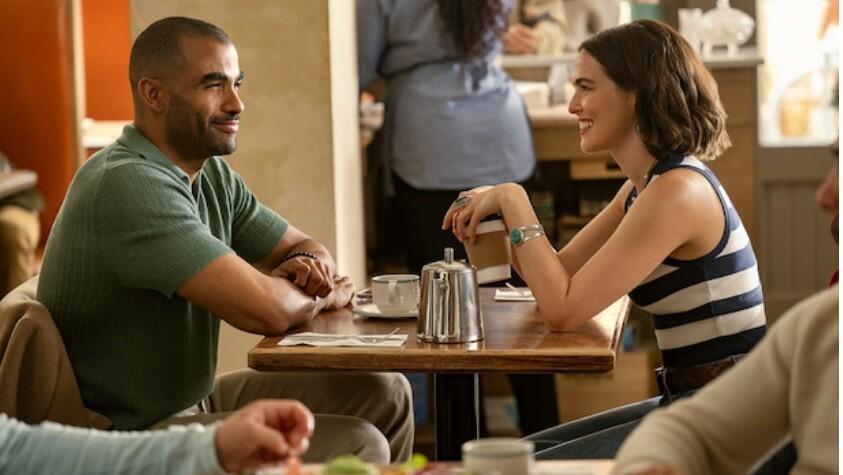
True, there are misfires — hello, "Office Romance" with Jennifer Lopez and Brett Goldstein — but there are also pleasant surprises. "Voicemails for Isabelle" climbed to the top of the viewing charts because it gives the genre plenty of respect and manages to adapt it to the present moment. That was no simple task. #MeToo, gender, political correctness, ethnic diversity and more require today’s creators to navigate social conventions without angering anyone on the way to a happy ending. But "Voicemails for Isabelle," written by Leah McKendrick, clears those hurdles with skill and manages to deliver something natural, ironic and self-aware, yet also genuinely moving at times. You can surrender to the fantasy while still remaining loyal to the present day.
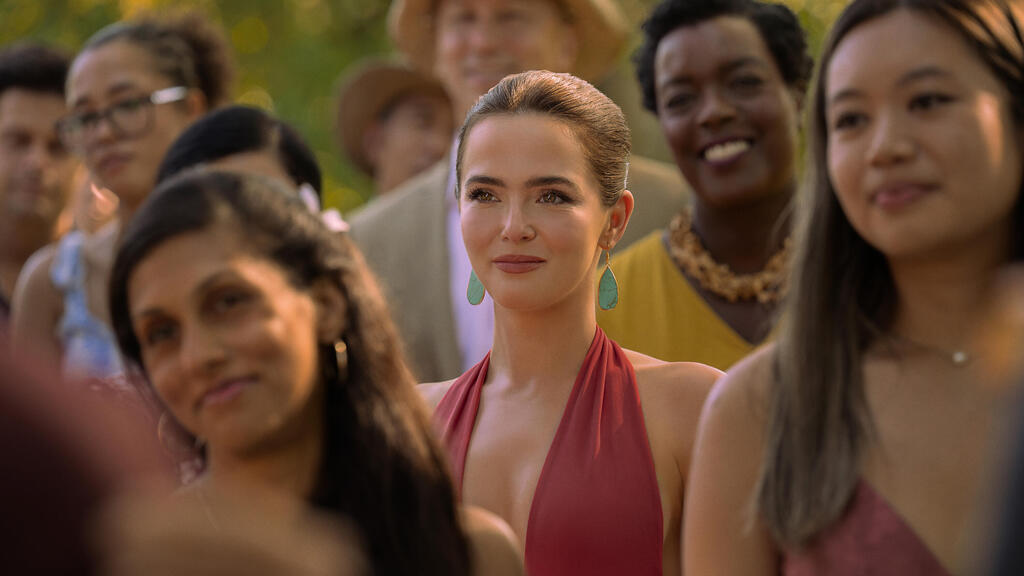
From 'Voicemails for Isabelle'
(Photo: Courtesy of Netflix)
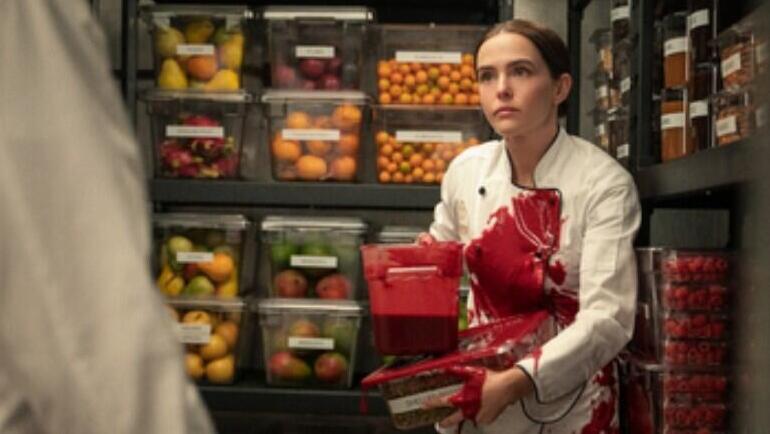
McKendrick drew the idea for the film from a joke she heard about a daughter waiting for a call from her late father. She then asked herself what she would do if her own sister, heaven forbid, left the group chat. The answer was: "Call her nonstop." Thus was born the charming romance between Jill, played by Zoey Deutch, an aspiring pastry chef, and Wes, played by Nick Robinson of "Love, Simon," a real estate man who cannot quite find himself in a relationship. When Jill’s beloved sister dies, Jill continues sending her voice messages. Then, thanks to a surprising coincidence bestowed by the screenplay, the messages reach the number’s new owner. You guessed it: Wes.
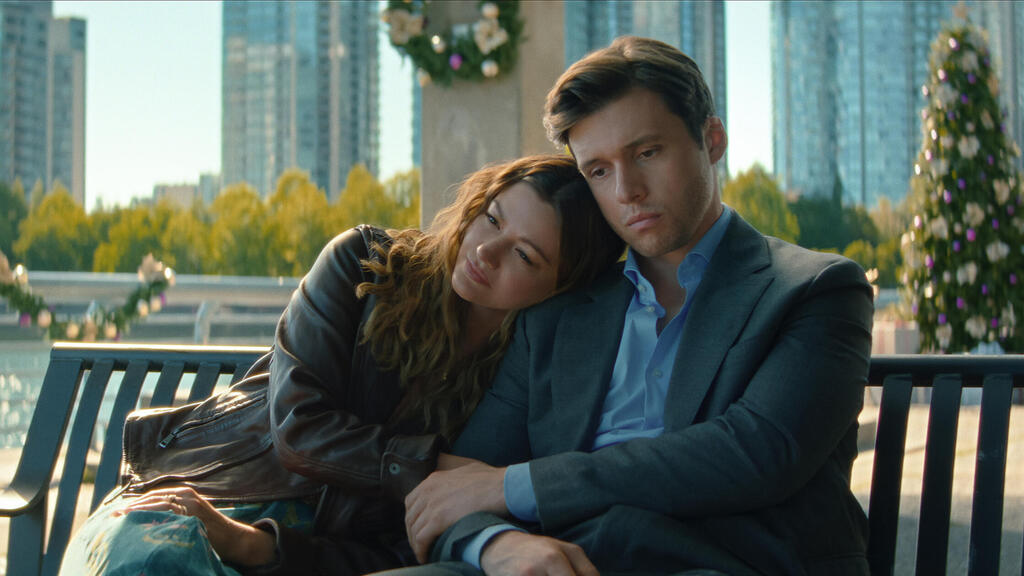
From 'Voicemails for Isabelle'
(Photo: Courtesy of Netflix)
From there, "Voicemails" follows a highly predictable path, but one made with genuine love for the genre. It combines moments of deep heartbreak, smart and sharp dialogue that constantly nods to the genre’s glory days, a perfect soundtrack that includes Robyn and Taylor Swift, and above all, excellent performances from everyone involved. That is especially true of Deutch, who manages to embody a character verging on strange neuroticism while remaining impossible not to like.
Yes, the connection between Wes and Jill begins with a sin: Wes listened to intimate recorded messages that were not meant for him, a blatant invasion of another person’s privacy. But you will have to take my word for it that Wes is a good person, that he regrets everything he did and that all he wants now is to be with this wonderful woman he has met, and to make small real estate parcels with her that can be divided even further or upgraded and sold at an inflated price.
From 'Voicemails for Isabelle'
(Photo: Courtesy of Netflix)
At the end of the day, "Voicemails for Isabelle" is a refreshing and clever surprise, like a good Eurovision song, the kind that gives you everything: melody, rhythm and tension. It is a wonderful example of how riding the genre’s romantic cliché can absolutely sweep you along, as long as it finds the right home.