

We are used to looking for the benefits of exercise in familiar places: the number on the scale, blood test results or how easily we can climb a flight of stairs. But some of the changes that matter most to quality of life occur in areas we are less comfortable discussing. One of them is women's sexual health, a subject attracting growing scientific interest but still largely absent from everyday conversations about fitness.
The question is not simply whether physically active women have more satisfying sex lives. Intervention studies, in which researchers introduce an exercise program and measure what changes afterward, offer a way to investigate something more revealing: Can exercise itself improve sexual function and, perhaps just as importantly, sexual pleasure?

From desire to sexual satisfaction
A systematic review and meta-analysis published in 2026 in The Journal of Sexual Medicine examined 23 intervention studies involving women. A pooled analysis of 15 studies using the Female Sexual Function Index (FSFI), a standardized questionnaire assessing sexual function, found improvements following exercise interventions. These included sexual desire, arousal, lubrication, orgasm and satisfaction.
The exercise programs varied considerably, encompassing aerobic activity, resistance training, combined workouts, pelvic floor exercises, yoga and other forms of physical activity. Participants also represented diverse populations, including women who had recently given birth, postmenopausal women and those living with various medical conditions.
The findings are encouraging, but their limitations are important. Researchers rated the overall certainty of the evidence as low because of substantial differences between the studies and other methodological concerns.
That means the results cannot establish that every woman will experience an improvement or that different forms of exercise have the same effect. The review also does not provide sufficient evidence to conclude that strength training is better than walking, or that yoga is more effective than either.
How might exercise affect sexual health?
Sexual response involves a complex interaction of physical and emotional processes. Blood circulation, nervous system activity, bodily sensations and psychological experiences all play a role, suggesting that exercise could influence sexual health through several different pathways.
An earlier review published in Sexual Medicine Reviews distinguished between the immediate effects of physical exertion and the longer-term effects of regular exercise. Laboratory studies suggested that a single bout of exercise may increase physiological sexual arousal, potentially through changes in sympathetic nervous system activity.
However, a measurable physical response does not necessarily translate into conscious sexual desire or greater pleasure. Research examining the relationship between physiological and subjective arousal in women has shown that the two do not always correspond.
Therefore, an increase in physiological arousal recorded in a laboratory does not mean that exercising immediately before sex will necessarily improve the experience for every woman. Sexuality is not another fitness test, and a physiological measurement alone cannot capture the full experience.
Pelvic floor exercises: More than bladder control
Pelvic floor training is generally associated with preventing or treating urinary incontinence, but researchers have also examined its potential contribution to sexual function.
A 2024 systematic review and meta-analysis published in the American Journal of Obstetrics and Gynecology
included 21 randomized controlled trials. Four were included in a pooled quantitative analysis, which found improvements in overall sexual function, arousal, orgasm, satisfaction and pain scores.
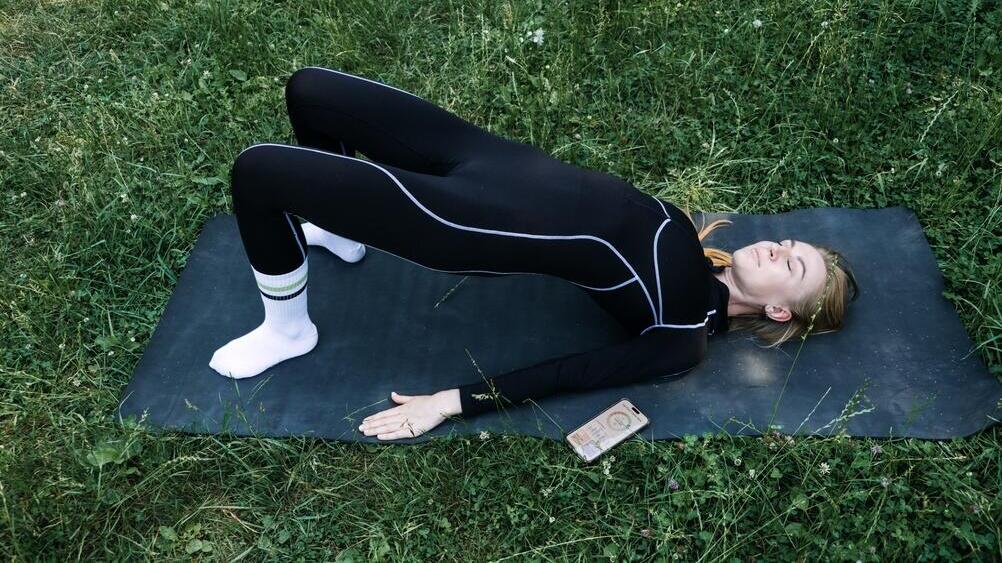
Pelvic floor training should be tailored to individual needs
(Photo: Shutterstock/Iryna Imago)
Yet these results also require caution. The certainty of the evidence was rated very low, and researchers identified substantial differences between the participants and the training programs used.
The findings suggest that pelvic floor exercises may offer benefits, but there is still insufficient evidence to confidently match a particular training program to a specific sexual difficulty.
It is also important to avoid an appealing but potentially misleading assumption: If the pelvic floor plays a role in sexual function, strengthening those muscles must always be beneficial.
A clinical review of pelvic floor physical therapy describes a broader treatment approach tailored to the individual condition. In some women experiencing pain, the problem is not insufficient muscle strength but difficulty relaxing the pelvic floor muscles.
For that reason, repeated muscle contractions are not automatically appropriate for every woman experiencing sexual difficulties. In some cases, treatment may need to focus on relaxation and muscle control under professional guidance.
Is specialized exercise necessarily better?
A study published in the June 2026 issue of Urogynecology offers an interesting perspective.
The randomized trial involved 240 women ages 45 and older who experienced urinary incontinence. Participants were assigned either to a yoga program specifically designed for pelvic floor function or to a general physical exercise program. Both lasted 12 weeks and involved comparable amounts of exercise time.
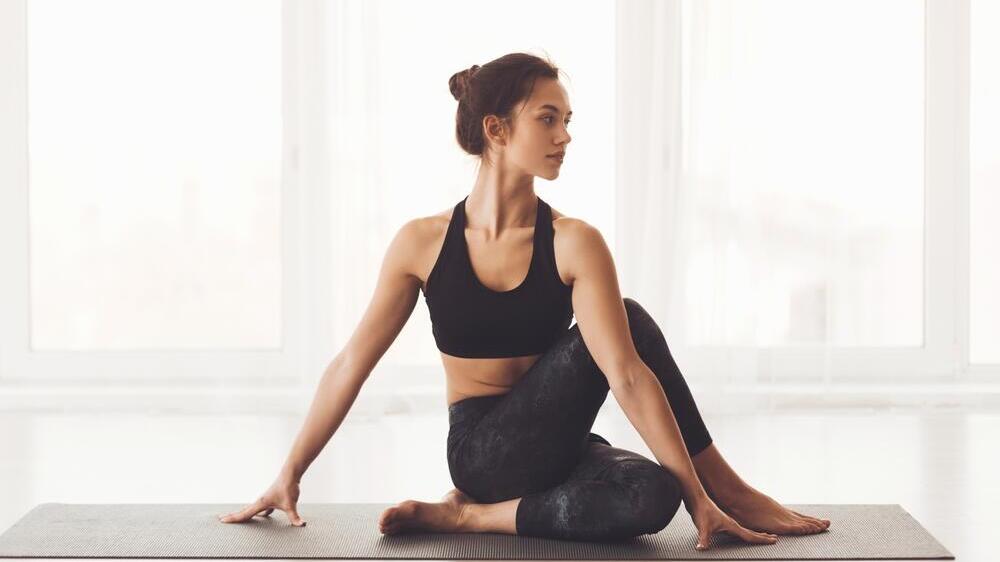
Specialized yoga did not outperform general exercise in the study
(Photo: Shutterstock/Prostock-studio)
The specialized yoga program did not produce greater improvements in sexual function than the general exercise program.
This does not prove that the two approaches are equally effective, nor does it establish that exercise offers no benefit. It simply means the findings did not support the claim that a specialized program provides an additional advantage for sexual function.
The distinction matters, particularly in a fitness industry where exercises and training methods are frequently marketed as ways to improve sexual performance. A program that sounds more targeted or sophisticated does not necessarily produce better results.
What can women take away from the research?
There is still no scientifically established prescription for the number of minutes, exercise intensity or type of workout needed to improve sexual desire or orgasm.
That means there is little justification for choosing a particular activity solely because it promises sexual benefits. A more practical approach is to find physical activities that are enjoyable and sustainable, while recognizing sexual health as another aspect of overall well-being worth paying attention to.
It is also important to distinguish between different sexual concerns. Reduced desire, difficulty reaching orgasm and pain during intercourse are not the same problem, and there is no reason to assume a single exercise program will address them all.
Pain, vaginal dryness or persistent changes in sexual function that cause distress warrant medical evaluation and, where appropriate, individualized treatment. Exercise may be part of that approach, but it should not replace professional care.
The emerging research invites us to broaden the way we think about the benefits of physical activity. Alongside strength, endurance and cardiovascular health, there may be value in considering comfort, pleasure and sexual well-being.
The goal is not to give women another performance target to achieve, but to recognize an important aspect of life that too often remains outside the conversation about health and fitness.
The author is an exercise physiologist and lecturer at Levinsky-Wingate Academic College.