


A severe water crisis is affecting the Central Arava as farmers in the region contend with a worsening shortage of irrigation water. Demand for water exceeds available supply and in some communities farmers say they are unable to irrigate crops regularly. At a recent meeting between farmers, the regional council and the national water company Mekorot, participants were told a solution is still far off.
Today, water allocations are distributed according to the number of agricultural farms in each community in coordination with Mekorot. Ultimately, each agricultural settlement receives a quota that is divided internally based on local decisions. Some farms report they are unable to irrigate crops due to empty reservoirs.
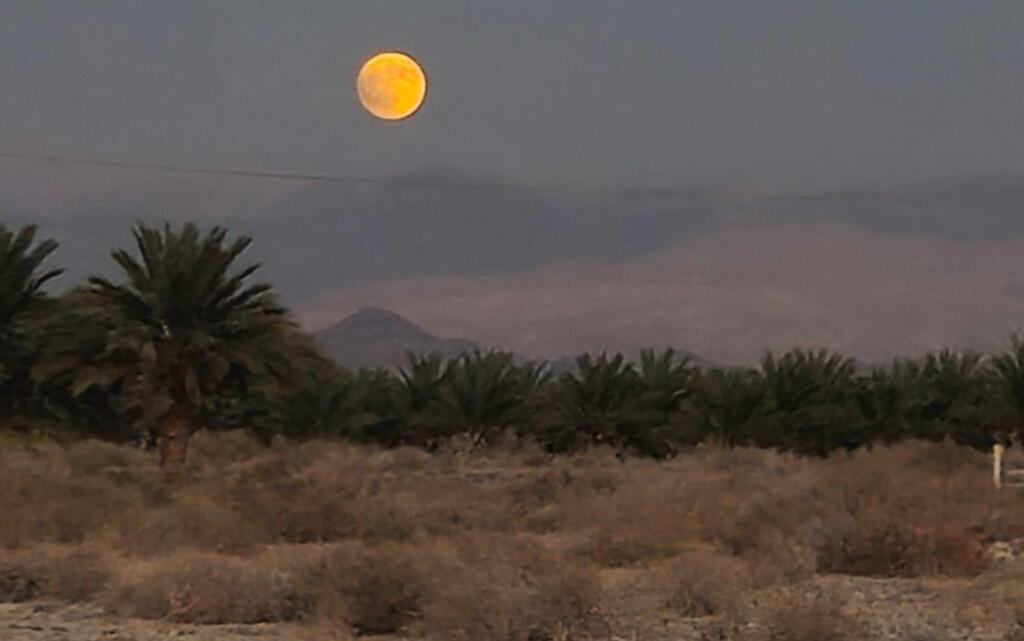
For example, in the community of Paran, officials said the water quota per farm stands at 230 cubic meters (around 300 cubic yards) per day. According to a statement by the community committee, if consumption remains high, reductions in quotas will be considered. The farm committee has begun group-based irrigation management to help meet water needs across all farmers.
According to the community farm committee, the regional water system is facing a daily shortage of about 6,000 cubic meters, the gap between Mekorot’s supply capacity and actual consumption. Although Paran is adhering to its allocation plan, daily usage remains high and careful water management is required. The water shortage is expected to continue at least until mid-August.
The community reported that reservoir levels are low and the refill rate is negative. In recent days it was decided to temporarily shut off water supply in the afternoon hours to manage the system. Ofir Goor, head of the Central Arava agricultural committee, said July consumption across the region is expected to reach about 134,000 (around 175,300 cubic yards) cubic meters per day while only about 127,000 cubic meters (about 166,000 cubic yards) are actually supplied, a gap of roughly 7,000 cubic meters (about 9,160 cubic yards) per day.
Hemi Barkan, 74, one of the founders of Paran and a veteran farmer, described the situation after a meeting with Mekorot representatives in which he said “tempers flared.” He said he does not recall a situation in Paran where water supply had to be shut off.
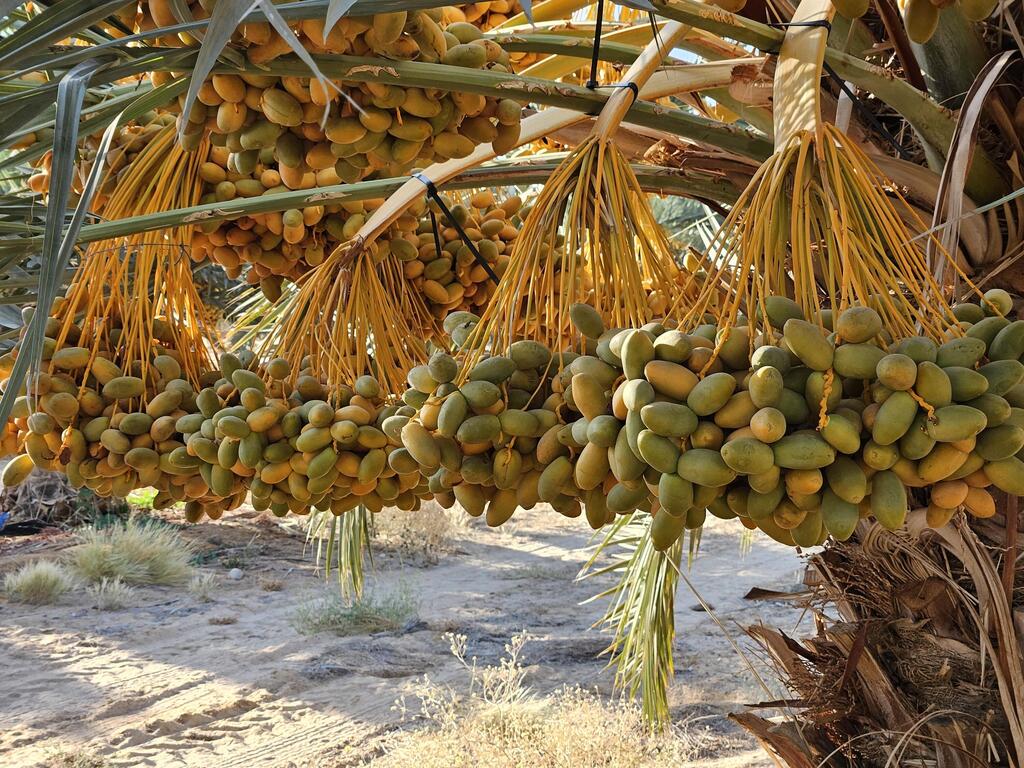
The main crops consuming most of the water are date palms
(Photo: Koren Farm)
According to him, four reservoirs in the Arava are currently empty. “They shut off the water so the level in the Paran reservoir will rise but in practice it keeps dropping again,” he said.
Barkan said the main crops consuming most of the water are date palms, now at peak consumption season, followed by pepper crops. “I think things will be very bad,” he said, adding concerns about upcoming pepper planting scheduled in about two weeks. “What will someone who has no water do? Young seedlings must survive in this heat, everything could be lost.”
He said the situation is unprecedented. “This has never happened in Paran.” He added that over the years “the writing was on the wall” as settlements and population grew alongside rising water demand.
Barkan stressed the crisis does not only affect farmers. “In the end everyone will be in distress,” he said. He added that even after a temporary shutdown of water to his orchard, which includes 330 mature date trees and 170 young trees recently planted, there is concern about significant damage. “It could wipe out crops and farmers could lose everything.” Despite the situation, he said Mekorot is making efforts to address the crisis but it remains an ongoing problem.
In response to the shortage, Mekorot plans to activate additional wells, some in neighboring Jordan. Last week a meeting was held with the agriculture and food security minister and the energy and infrastructure minister along with the director general of the Water Authority and senior Mekorot officials.
According to officials involved, “immediate assistance was promised in order to supply the amount of water required by farmers,” and the shortage is described as severe and clear.
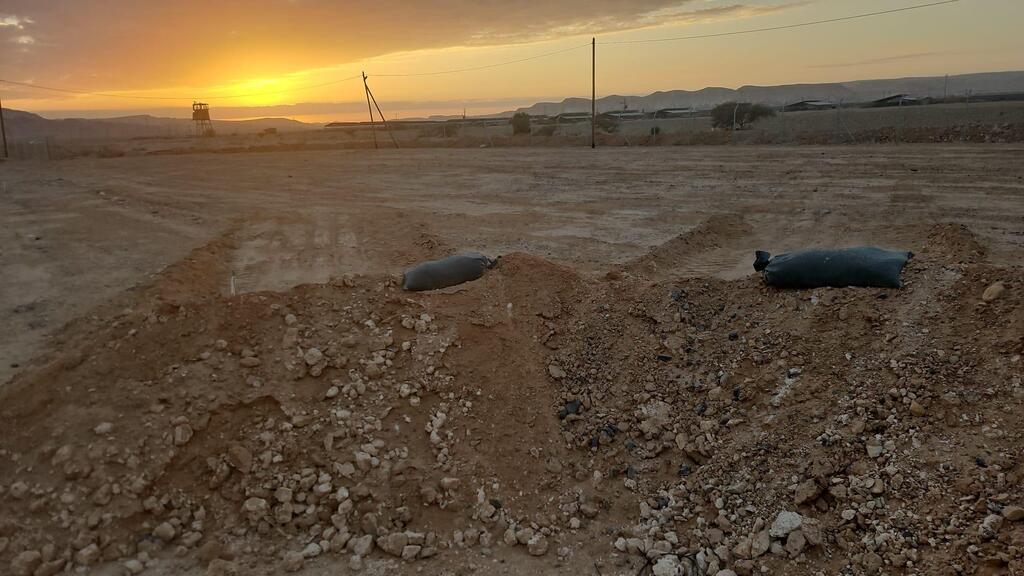
Several years ago Arava communities were connected to the national water system, but local officials say it does not meet full demand
(Photo: Koren Farm)
Stav Mazor, 40, a resident of Ein Yahav, said the Arava has extensive agricultural land and the main issue is water. He said each farm has an annual and daily allocation but in practice the quotas are insufficient when reservoirs are empty.
He said this year the allocation has dropped to about 170 cubic meters per day compared to about 240 cubic meters per day in normal years. He added that when reservoirs are empty, allocations do not reflect reality on the ground because “there is no water in the pipe.”
Several years ago Arava communities were connected to the national water system, but local officials say it does not meet full demand. At the same time, the option of activating additional wells, some in Jordan, is being examined.
The Water Authority said: “The water reservoirs in the Central Arava were depleted at the end of May after a prolonged period in which several water wells located in Jordan and supplying water to Arava farmers experienced malfunctions and their reactivation was delayed for reasons of security coordination. The Water Authority instructed Mekorot to make every effort to bring the malfunctioning wells back into operation as soon as possible. It is estimated that in the coming weeks it will be possible to slightly increase water supply from the national system to the northern Central Arava, thereby improving the water balance and supply capacity for regional agriculture. These steps are intended as an immediate solution while longer-term stable solutions continue to be advanced through infrastructure development to expand water production and conveyance capacity to the Arava.”