


UNESCO added the ancient city of Tyre in southern Lebanon to its List of World Heritage in Danger on Wednesday, following direct damage to the site and continuing threats arising from the security situation in the area.
Israeli strikes in Tyre and the surrounding district in recent years have targeted Hezbollah terrorist activity in the sector. The city itself has recently shown signs of returning to routine, although security tensions persist elsewhere in the Tyre district.
Gallery
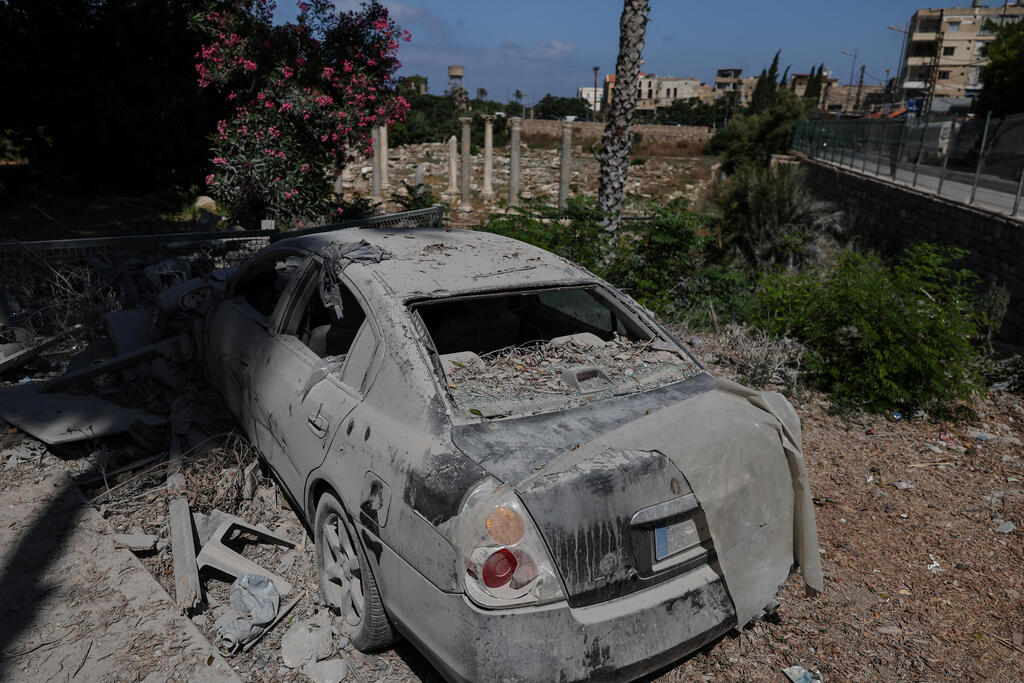
A vehicle damaged in strikes near an archaeological site in Tyre
(Photo: REUTERS/Zohra Bensemra)
On June 9, during an intense period of Israeli strikes in Lebanon and before the announcement of a US-mediated framework agreement between Israel and Lebanon, the IDF issued an unusual evacuation warning that included Tyre’s Christian quarter for the first time. The neighborhood forms part of the ancient city.
Several days earlier, on June 2, IDF Arabic-language spokesperson Lt. Col. Ella Waweya said Hezbollah terrorists were hiding in the Christian quarter.
“Please remove the terrorists of the terrorist organization, for your own safety,” she told residents. Addressing Hezbollah members, she added: “You are not safe there. If you remain in the area, the IDF will evacuate the Christian quarter and act against you.”
Tyre, which has been a UNESCO World Heritage site since 1984, was added to the endangered list during the 48th session of the World Heritage Committee in Busan, South Korea. The move followed a request by the Lebanese government for stronger international protection mechanisms for the site.
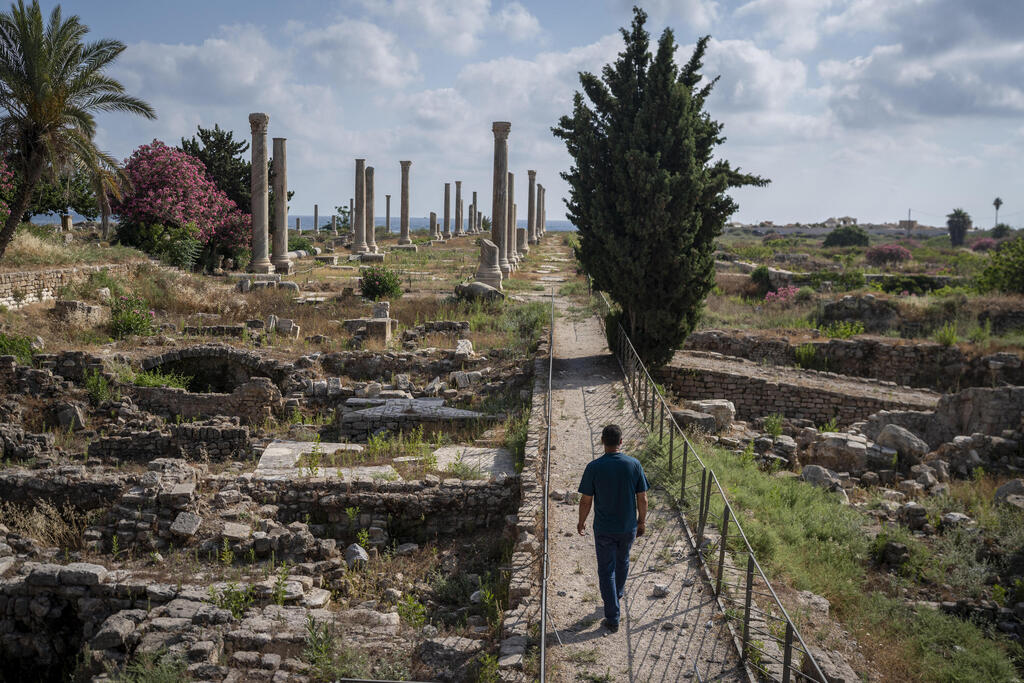
Roman-era ruins in Tyre
(Photo: Adri Salido/Getty Images)
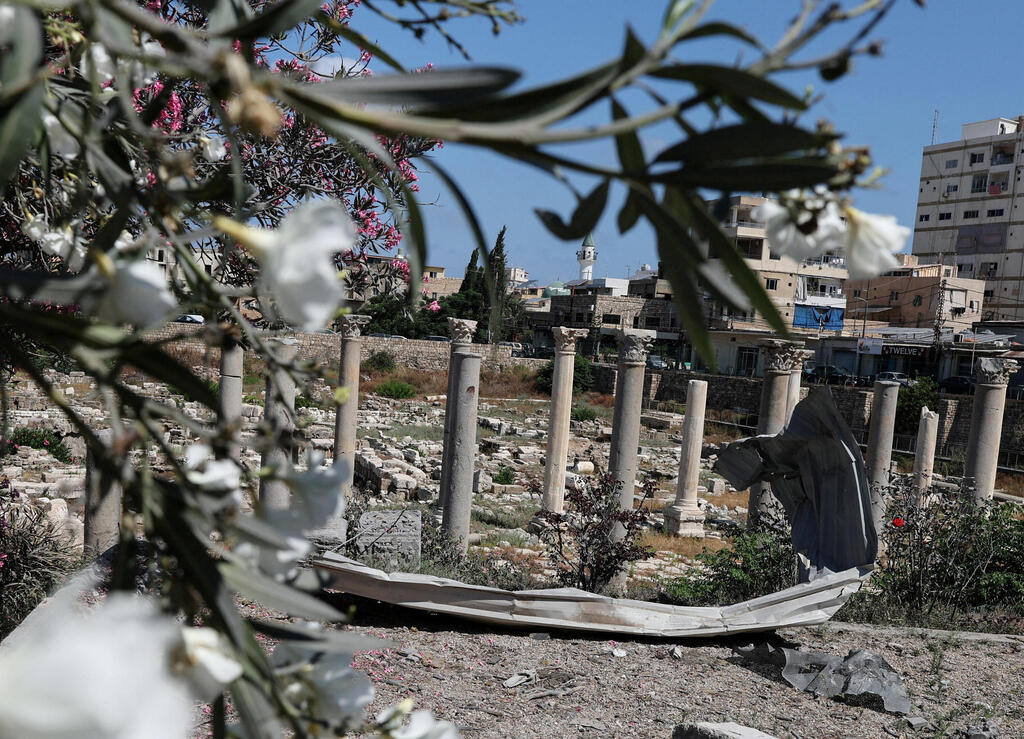
One of Tyre’s ancient sites
(Photo: REUTERS/Zohra Bensemra)
The committee determined that Tyre faced a serious and specific danger under the criteria governing the inclusion of sites on the List of World Heritage in Danger.
Founded around 4,700 years ago, Tyre contains remains from several historical periods, including a monumental Roman arch and a second-century hippodrome.
Lebanese authorities reportedly informed UNESCO that the city’s historic area was damaged in a strike on June 7. The attack reportedly damaged a historic building, electrical generators, offices belonging to Lebanon’s Directorate General of Antiquities and part of an archaeological site.
Lebanese officials also said archaeological elements near the point of impact were damaged. Authorities were unable to assess the full extent of the destruction, partly because some sections of the site could not be reached safely.
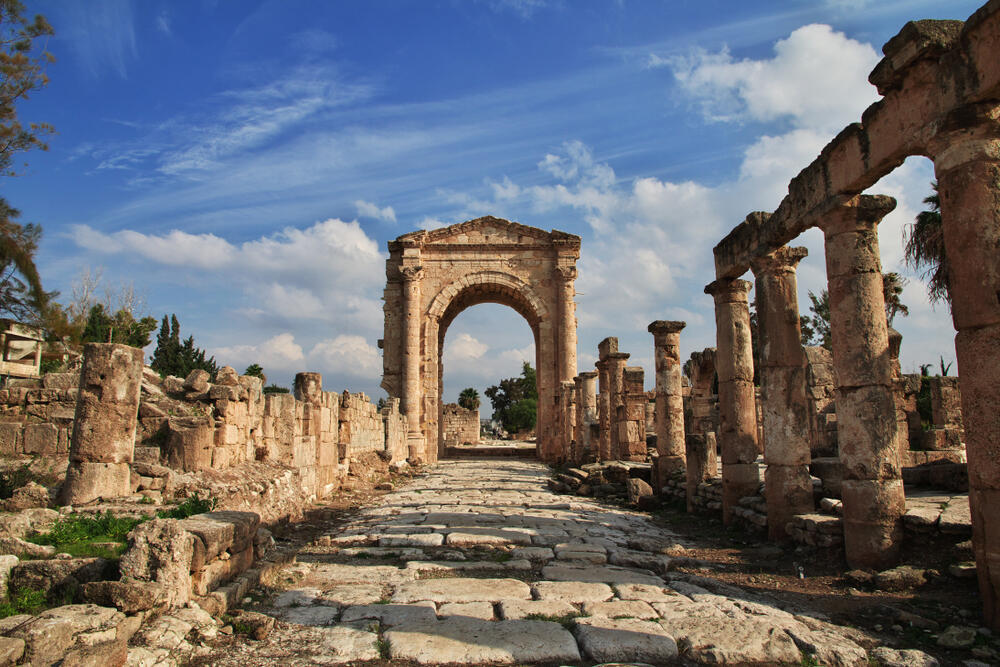
Tyre
(Photo: Wirestock Creators / Shutterstock)
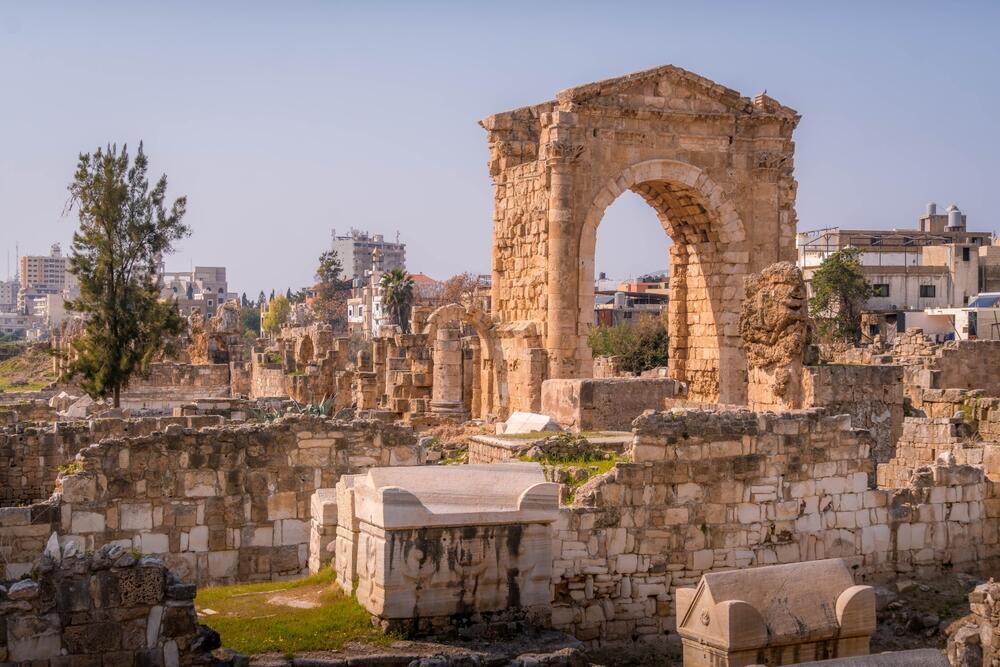
(Photo: Sergey-73 / Shutterstock)
Lebanese Culture Minister Ghassan Salamé asked UNESCO last month to place Tyre’s antiquities on the endangered heritage list, citing the strikes and the continuing danger in the area.
Following the decision, Salamé thanked the World Heritage Committee in a post on X.
“Thank you to the World Heritage Committee, which, at the request of the Lebanese government, included the archaeological site of Tyre on the List of World Heritage in Danger,” he wrote.
“This inscription will focus the attention of UNESCO and its member states on a site of immense historical importance, in a region that continues to witness conflicts that could damage it.”
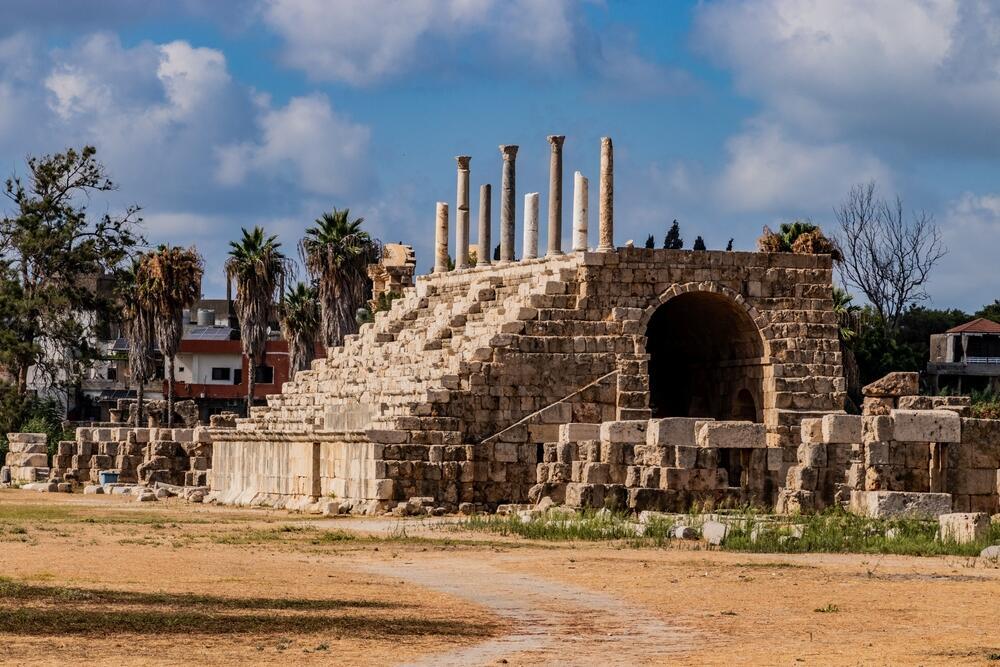
(Photo: Hamdan Yoshida / Shutterstock)
UNESCO had previously expressed concern about Tyre’s condition, saying developments in the conflict could expose the site to further damage and possible looting. The organization also confirmed damage to cultural heritage in the city and said it was working with Lebanese authorities to assess the destruction and strengthen emergency protection measures.
Tyre may not be the only site in southern Lebanon to receive the designation. Reports indicate that UNESCO could also add several other locations in the region to the endangered list, including Beaufort Castle.