

A new study by researchers at the University of Haifa found that the 2021 Mediterranean oil spill exposed a large share of marine species to potentially harmful levels of toxic petroleum compounds, including concentrations associated with lethal effects.
The study, published in the journal Marine Pollution Bulletin, examined the “Tar in the Storm” event, which contaminated Israel’s Mediterranean coastline in February 2021. Researchers found that in areas with the highest pollution levels, up to 75.4 percent of the main species living in the upper layers of the water column may have been exposed to concentrations of toxic substances linked to harmful or deadly impacts.
Gallery
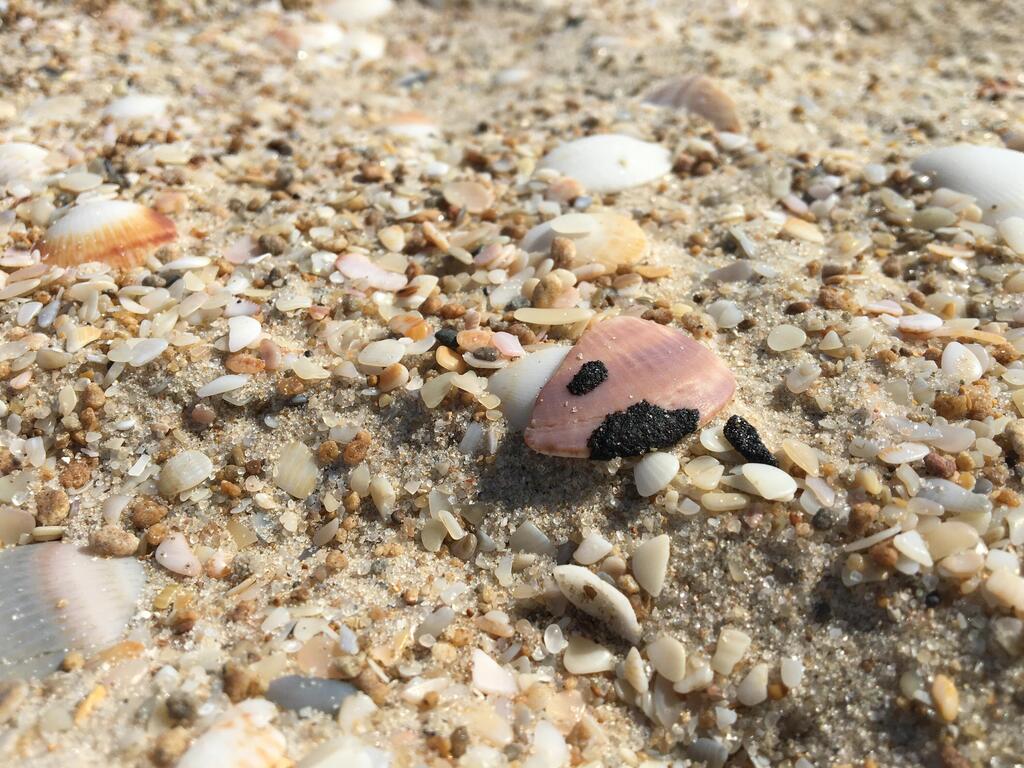
Mediterranean oil spill exposed a large share of marine species to potentially harmful levels of toxic petroleum compounds
(Photo: University of Haifa)
The findings suggest that assessments based only on animals found dead or covered in tar may underestimate the ecological damage caused by oil spills. Species living below the surface, including smaller organisms and early life stages, can be affected without leaving immediate visible signs, according to Dr. Igal Berenshtein of the Leon H. Charney School of Marine Science at the University of Haifa, one of the study’s authors.
The February 2021 spill affected Israel’s entire Mediterranean coastline, which stretches about 190 kilometers, after oil and tar from a spill outside Israel’s territorial waters washed ashore. The incident was considered one of the most severe marine pollution events in the region, but until now there had been no comprehensive assessment of the risks posed to different marine species.
The study was led by doctoral student Omri Lapidot and Berenshtein, head of the Marine Ecology and Environmental Health Laboratory in the Department of Marine Biology at the University of Haifa, in collaboration with researchers from the University of Haifa’s Leon H. Charney School of Marine Sciences, the Israel Oceanographic and Limnological Research, the Israel Meteorological Service, the University of Miami and Tel Aviv University.
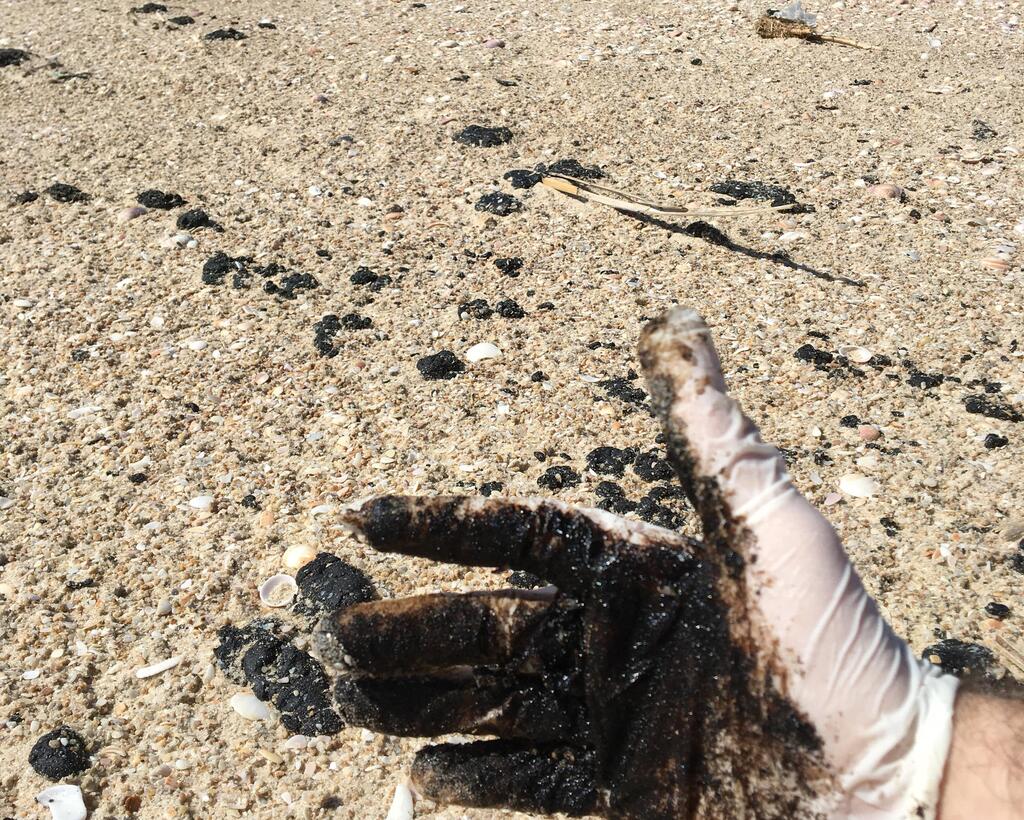
Assessments based only on animals found dead or covered in tar may underestimate the ecological damage caused by oil spills
(Photo: University of Haifa)
The researchers developed a model to estimate how sensitive marine species are to polycyclic aromatic hydrocarbons (PAHs), toxic compounds found in crude oil, even when direct toxicity data are unavailable for specific species. The model used data from related species, while accounting for factors including life stage and position in the food chain.
To reconstruct the spread of the oil during the spill, the researchers combined the model with a simulation tracking the movement of the slick over 18 days using data on ocean currents, winds, temperature and salinity.
The analysis found that the model could estimate the concentrations at which about 88 percent of the species examined would be affected by toxic substances. In the area with the highest pollution levels, about 75 percent of the species analyzed — 46 species in total — were exposed to concentrations associated with harmful or lethal effects.
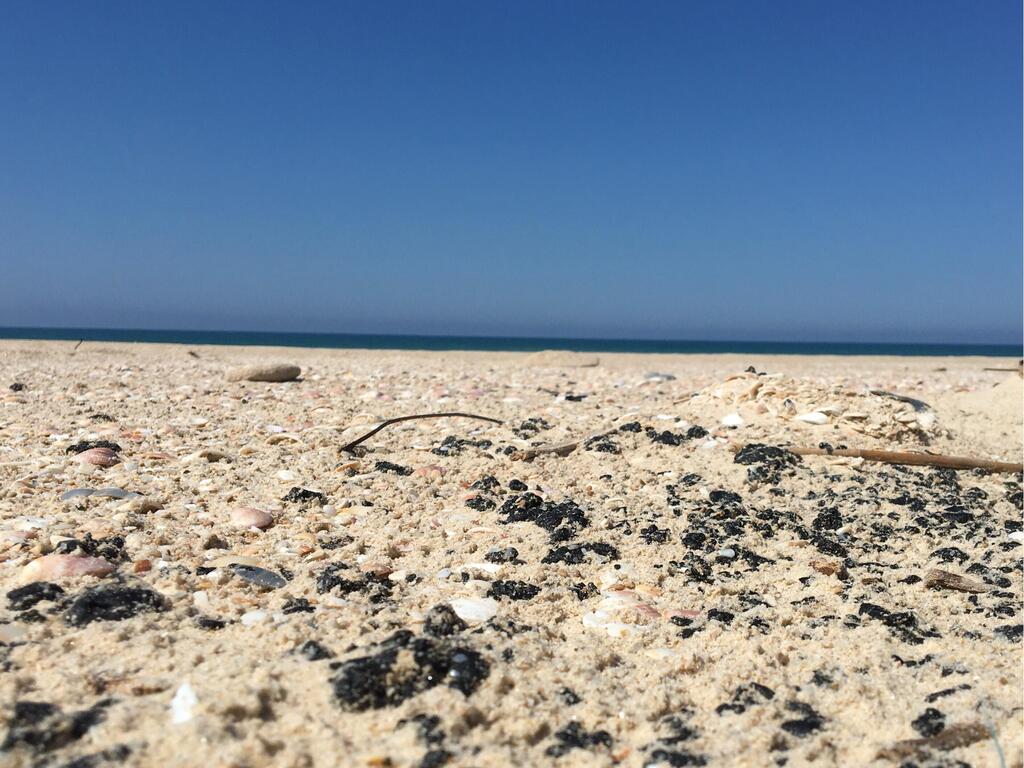
The risk decreased as distance from the main pollution zone increased and concentrations of toxic substances declined
(Photo: University of Haifa)
At the highest exposure levels, the model indicated potential harm to 28 of 31 fish species, 10 of 11 planktonic crustacean species and all five gastropod species included in the study.
The researchers found that the risk decreased as distance from the main pollution zone increased and concentrations of toxic substances declined.
They stressed that the findings represent a model-based risk assessment rather than a direct measurement of mortality. The researchers said the model could help authorities identify areas at greatest risk, determine which species require monitoring and prioritize response efforts during future oil pollution events.
“The advantage of the model lies in its ability to identify in advance where the most severe ecological damage is expected to occur and which species are at risk,” Lapidot said. “It allows for a more targeted assessment of risks facing species in each area and can help guide sampling, monitoring and response efforts.”