


Israeli agriculture is enduring its toughest year yet, with entire sectors devastated, according to a source at the Agriculture Ministry. The ministry estimates this year’s drought has caused 50 million shekels ($13 million) in damage, with another 150 million shekels ($40 million) projected by December.
Tens of thousands of acres have dried up, and bee mortality has hit 50%. Far from a glimmer of hope, the situation is expected to worsen. On Thursday, the Water Authority Council will convene to approve 2026 water allocations for farmers, set for public comment, proposing a cut in freshwater allocation from 380 million cubic meters to 250 million cubic meters.
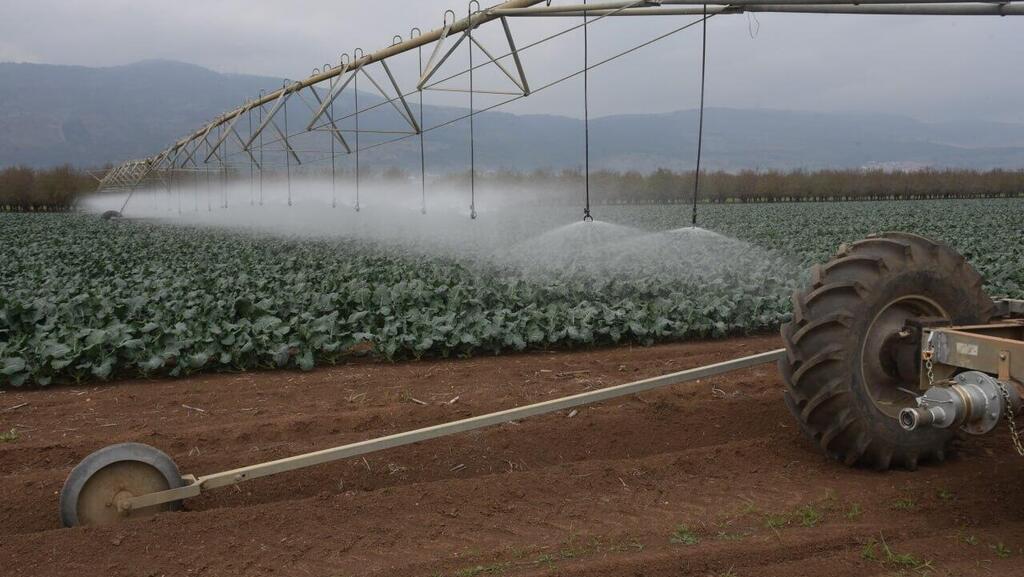
The Agriculture Ministry warned this could slash local produce, drive up prices and inflict significant economic damage, while the rain shortage, compounded by reduced water levels, threatens livestock—especially bees—due to scarce weeds, wheat and flowers. “We’re at the end of summer and don’t see a way out of this,” a ministry official said.
Israel Farmers Federation Secretary-General Uri Dorman slammed the cuts. “There’s no need for this," he said. "The current allocation is the bare minimum. Agriculture has already reduced freshwater use and improved efficiency by shifting to recycled water. This cut is hitting hard. You can’t tell farmers to manage without water for a year—it’s a recipe for catastrophe.”
He said solution lies with consumers, not farmers. “We’re not the only player here. There’s household use, ornamental water and it’s unfair to target only agriculture. We need campaigns urging Israelis to cut consumption. But it’s easiest to say, ‘We’ll cut your water, no compensation.’”
Farmers have already slashed water use by 20% in orchards disconnected from the national grid in the Galilee and Golan, prompting decisions to thin fruit and uproot trees.
Slow stream at the Upper Galilee
(Video: Roie Rubin, Nature and Parks Authority)


The decline in beekeeping risks broader crop damage, including animal feed, affecting meat and dairy prices. Daniel Klouski, a resident of Moshav Mazor and secretary of the Citrus Growers Organization, highlighted regional disparities: “Areas like the north lack recycled water, and some crops—vegetables needing high-quality water like tomatoes, cucumbers, carrots and potatoes—can’t use it. All these farmers will have to cut production.”
“This is a big problem. Farmers are in charge of a large part of the Israeli diet, but soon you’ll see less of Israeli produce. It’s an absurd cut, especially since public landscaping water isn’t reduced,” he added.
“Cut the decorative water spending—less decoration is fine. But slashing agriculture without compensating farmers will shut down farms, threatening food security. It’s insane that only farmers bear the burden.”
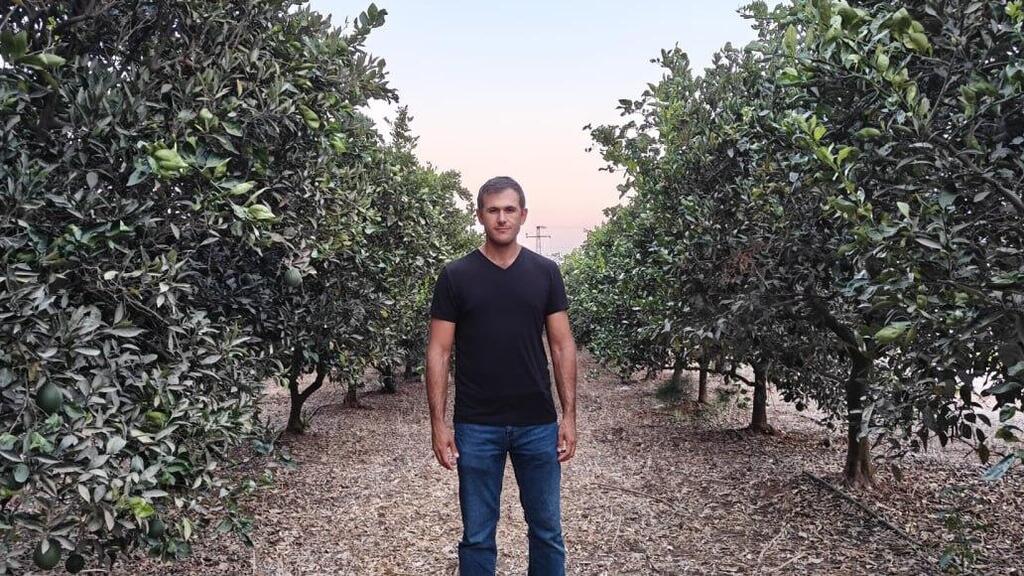
Daniel Klouski
(Photo: Daniel Klouski)
Shai Hajjaj, head of the Merhavim Regional Council, called for the cuts to be reconsidered with farmer and regional input.
“Given the unprecedented drought, we’re acting on multiple fronts to reduce water use, including cutting agricultural consumption next year,” The Water Authority said in a statement. “The issue will be debated by the Water Authority Council and then opened for public consultation.”