


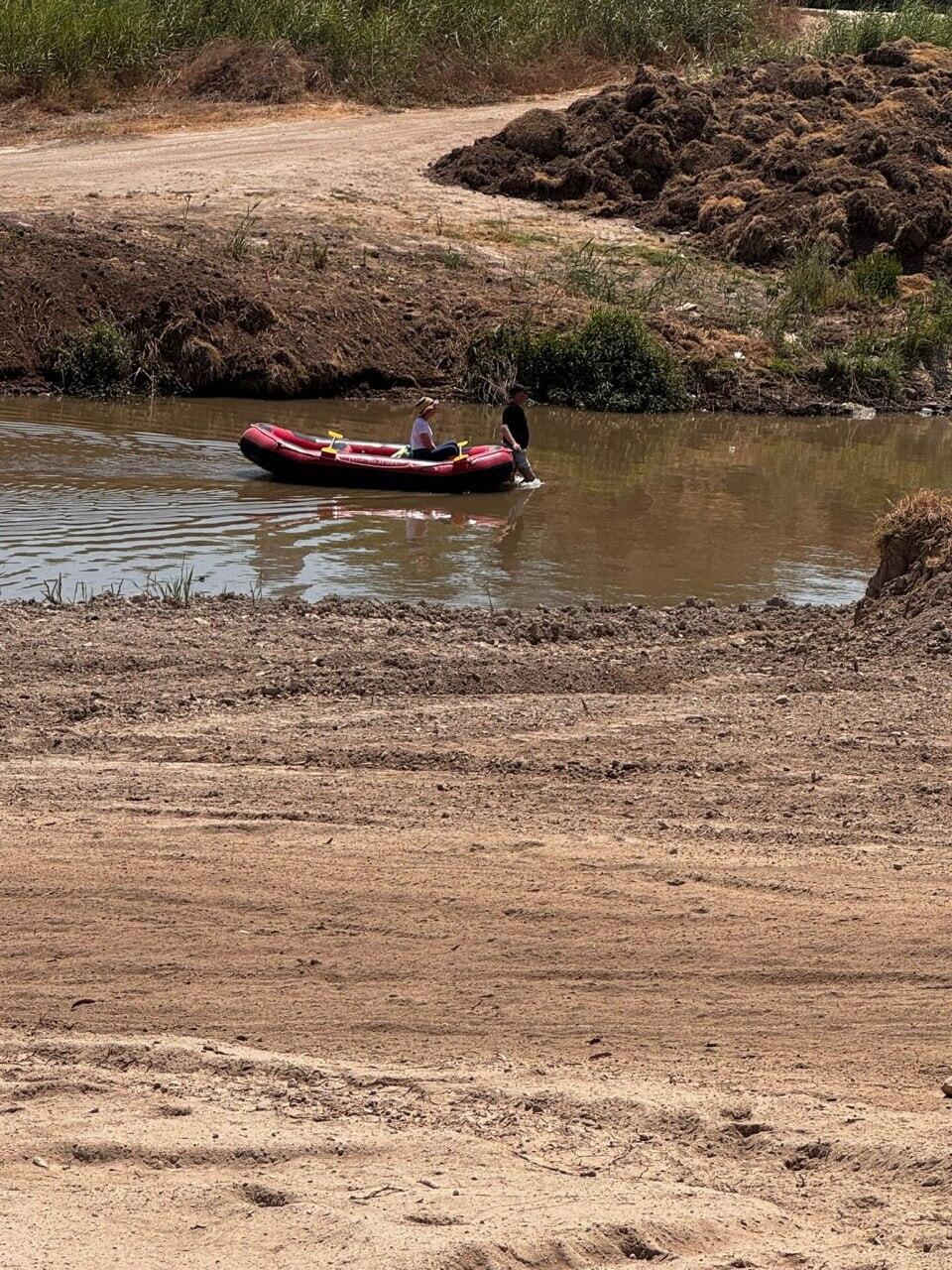
Israel is grappling with record-breaking temperatures and dwindling water sources, with northern streams drying up and the Water Authority sounding alarms over a severe drought. Yehezkel (Hezi) Lifshitz, the authority’s director, warns that the situation is nearing catastrophic levels.
The Water Authority has already declared a drought, the worst in a century, according to Lifshitz. He bases his assessment on precise data, noting that northern water sources are critically low, with the Banias stream nearly dry. While the authority tracks the crisis, the Finance Ministry holds the power to declare an economic and agricultural drought, a step yet to be taken.
Slow stream at the Jordan River
(Video: Roie Rabin, Nature and Parks Authority)


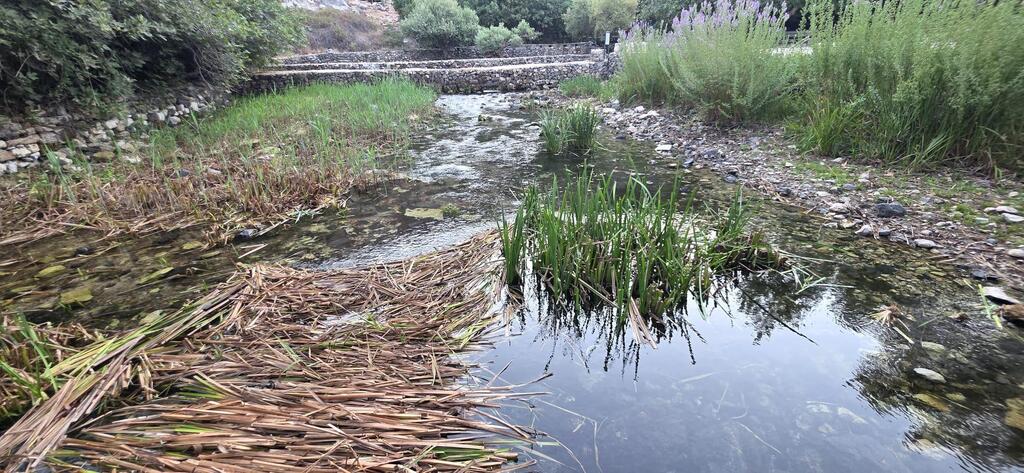
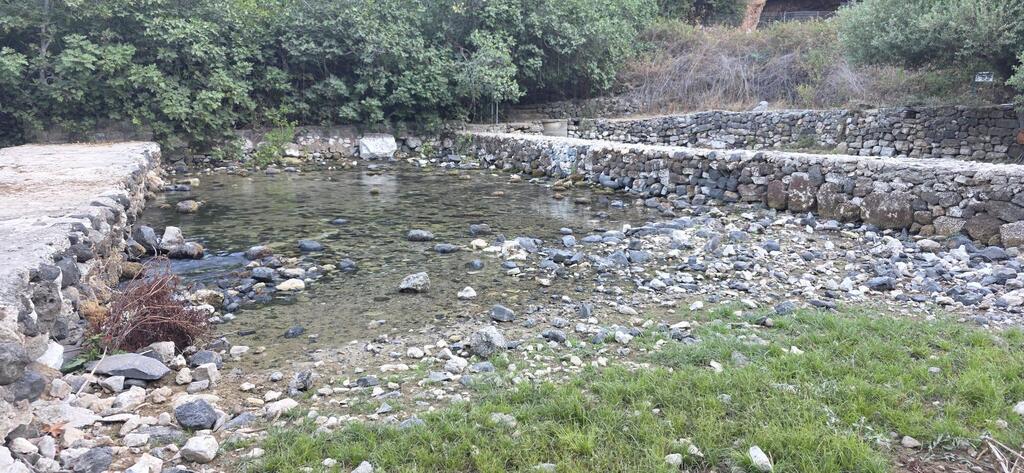
(Photo: Ofer Sneor, Nature and Parks Authority)
Israel’s agriculture consumes about 1.2 billion cubic meters (317 billion gallons) of water annually, including fresh, recycled and saline water. Lifshitz highlights a growing challenge: the population and water demand are rising, but rainfall is not keeping pace and is even declining. Agriculture, the largest water consumer, faces tough choices.
To address the shortfall, the Water Authority is pushing for more desalination plants while exploring cuts to agricultural water allocations. Lifshitz noted a shift toward using recycled wastewater for farming, with some Golan Heights farmers, unconnected to the national water system, already facing reductions this year.
Next year, nationwide agricultural cuts may follow. In the north, including Upper Galilee and northern Golan, fields are drying up. Farmers have stopped growing field crops, prioritizing water for orchards to keep them alive.
Lifshitz warned that unlike Spain, where a drought two years ago drove up olive oil prices, Israel’s olive crops simply vanish when water runs out. The Agriculture Ministry must step in to support affected farmers.
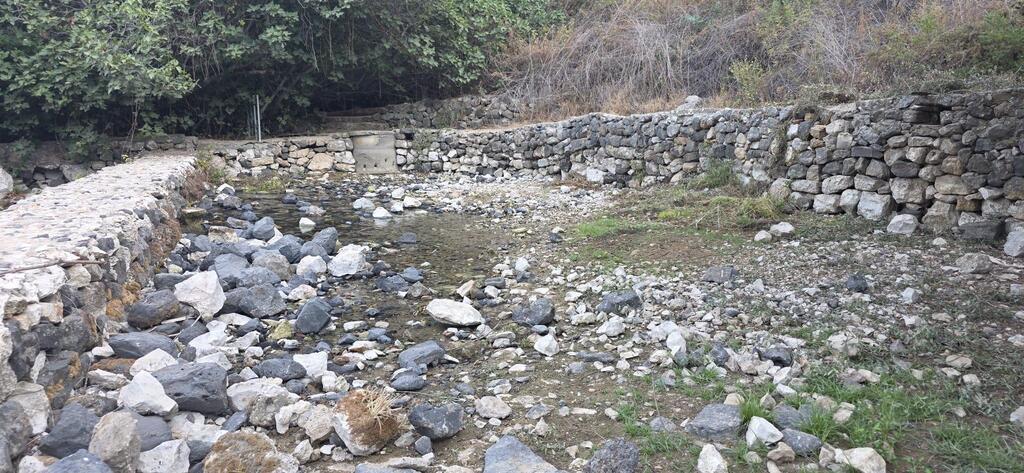
(Photo: Ofer Sneor, Nature and Parks Authority)
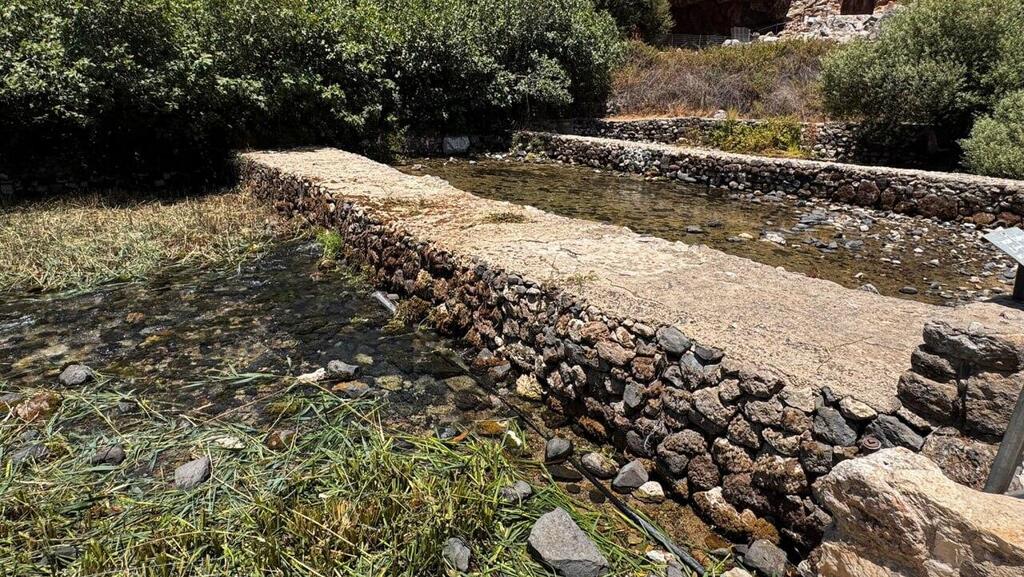
(Photo: Guy Reshef)
Mekorot, Israel’s national water company, warned years ago that the Upper Galilee and northern Golan needed integration into the national water grid. Yet a planned desalination plant in Hadera Valley has stalled. Israel currently operates desalination facilities in Hadera, Ashkelon, Ashdod, two in Sorek and one in Palmachim on private land.
Each plant consumes about 0.5% of the nation’s available electricity, a significant burden, according to Lifshitz. A new desalination facility in Western Galilee, delayed by local opposition, is now slated for operation by 2027. Residents pushed to relocate it from the polluted Acre Bay but alternative sites were rejected. Ironically, the facility primarily serves the very communities that opposed it.
Get the Ynetnews app on your smartphone: Google Play: https://bit.ly/4eJ37pE | Apple App Store: https://bit.ly/3ZL7iNv
The Water Authority is increasing purchases from desalination plants to offset shortages. For instance, the Ashdod facility produces 100 million cubic meters (26.4 billion gallons) annually, but the authority is buying more due to this year’s low rainfall. These additional supplies come at a higher cost due to elevated electricity tariffs.
Lifshitz said the authority can request plants to boost production, though at a premium. Looking ahead, the water sector plans for the long term, with an eighth desalination plant in the works for 2032. Between 2013 and 2018, the Sea of Galilee nearly hit its critical “black line.”
Jordan River
(Photo: Guy Reshef)
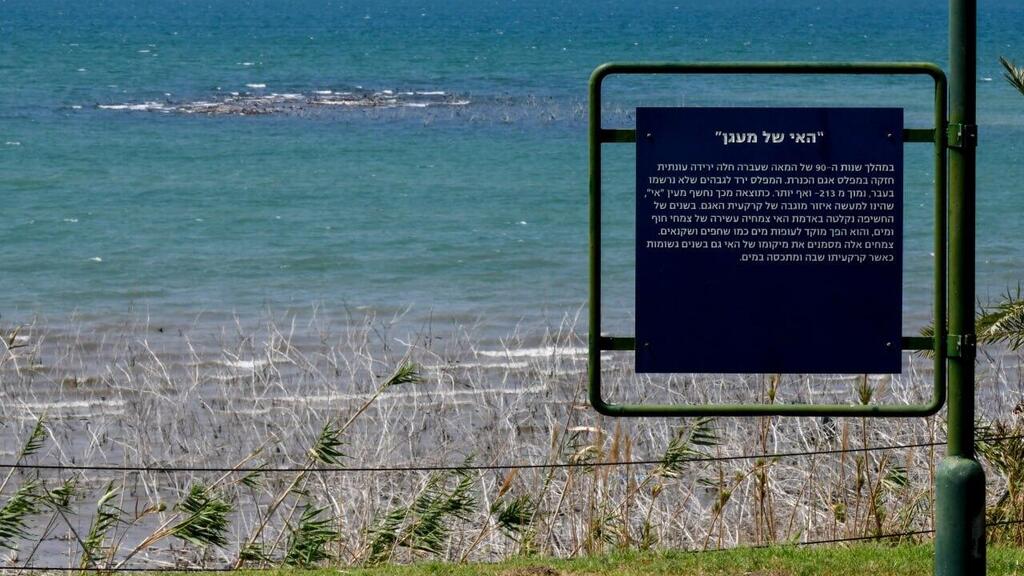
Sea of Galilee
(Photo: Nahum Segal)
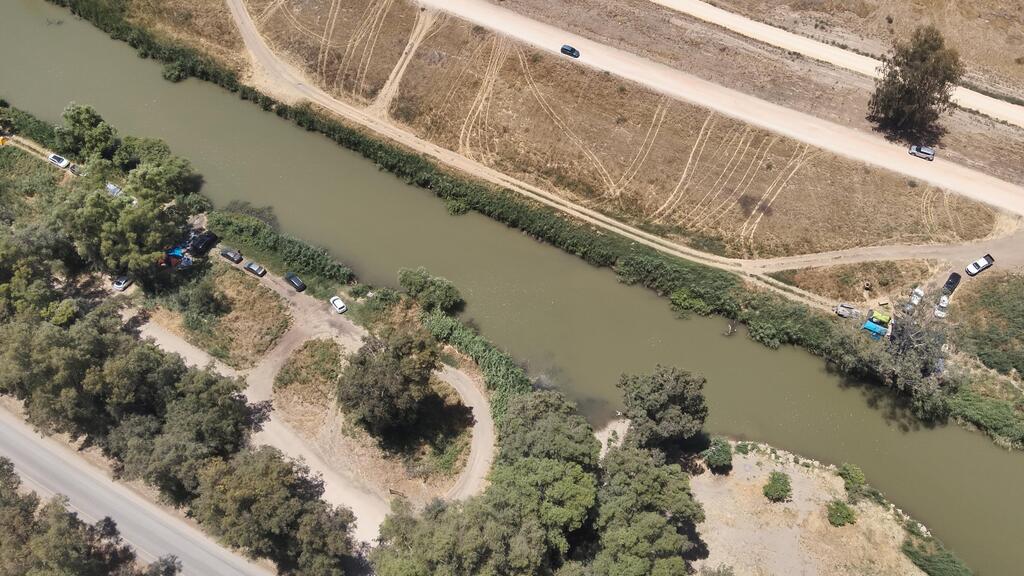
Jordan River
(Photo: Roie Rabin, Nature and Parks Authority)
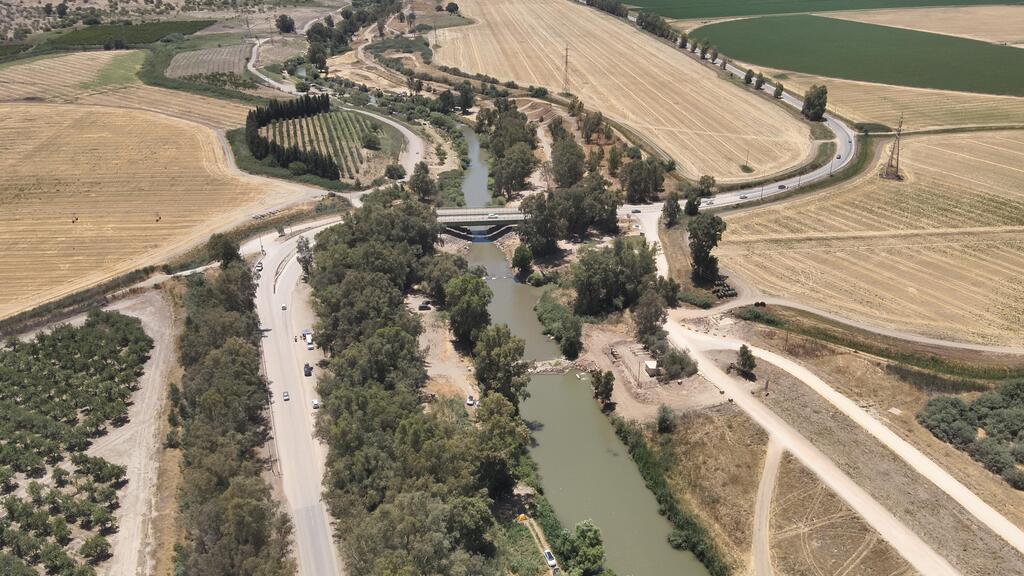
(Photo: Roie Rabin, Nature and Parks Authority)
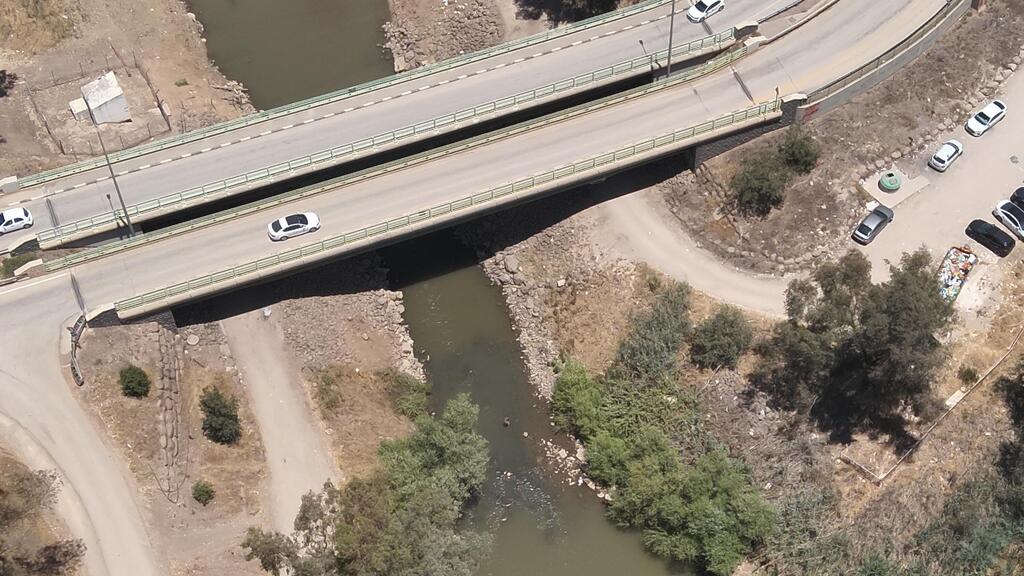
(Photo: Roie Rabin, Nature and Parks Authority)
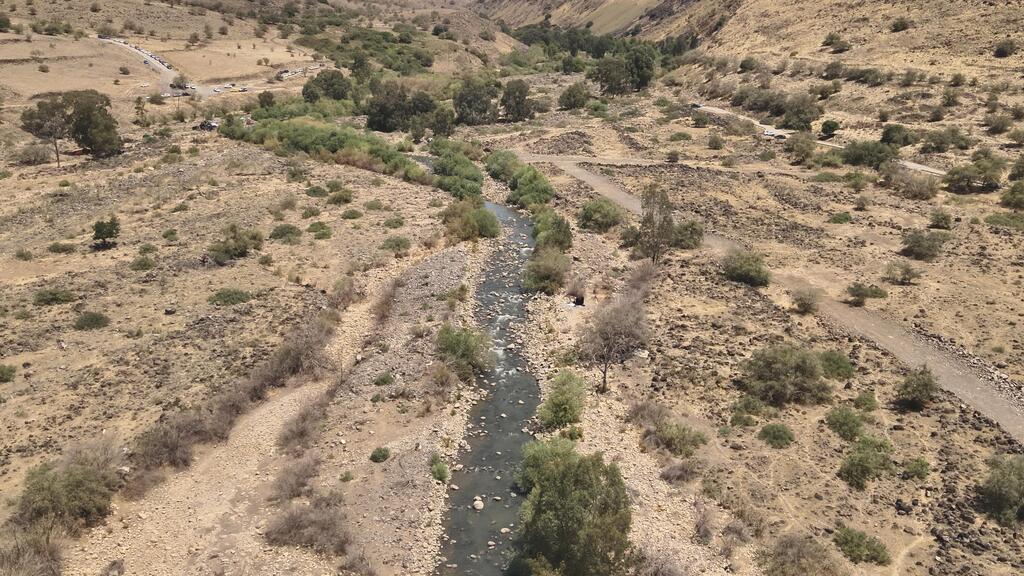
(Photo: Roie Rabin, Nature and Parks Authority)
Despite challenges, water continues to flow from taps. The authority anticipates a 12% drop in precipitation by 2050, with sharper declines by 2100, necessitating more desalination and increased use of recycled water for agriculture. By 2050, Israel aims to produce 1.7 billion cubic meters (449 billion gallons) of water annually, up from today’s 800 million cubic meters (211 billion gallons).
This winter broke all records, with the Sea of Galilee’s water levels unchanged—an unprecedented event, Lifshitz said. His gravest concern is not war with Iran or ongoing fighting but an earthquake.
 Yehezkel LifshitzPhoto: Water Authority
Water infrastructure faced multiple cyberattacks during the recent conflict with Iran, with attempted breaches rising sharply. Fortunately, close collaboration with the National Cyber Directorate has kept the system secure and Lifshitz reports no significant disruptions.